
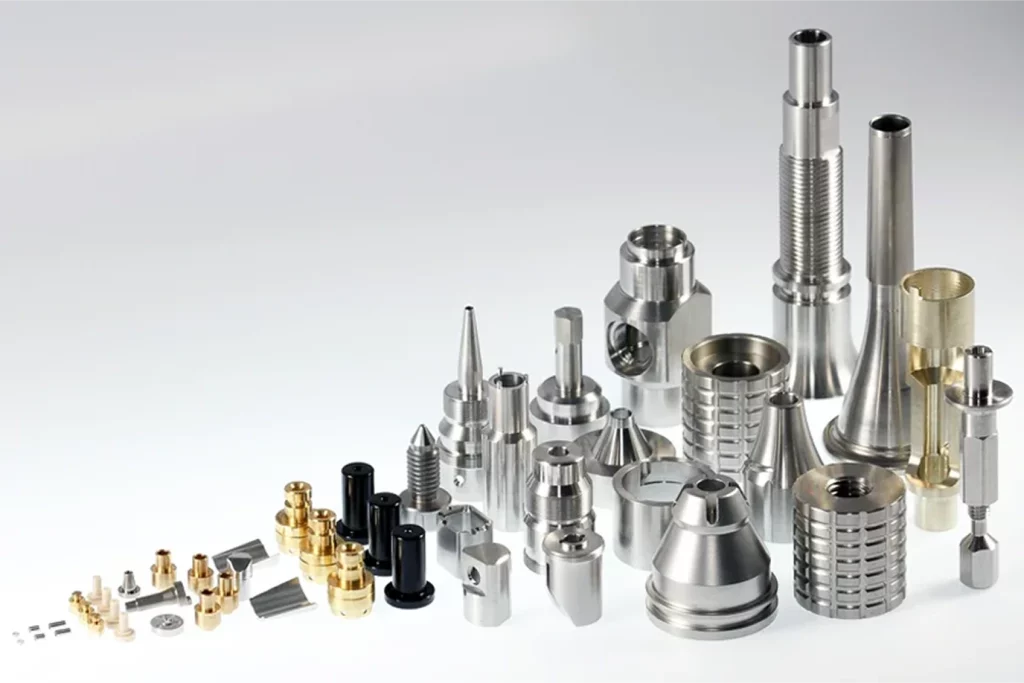
Anodizing is one of those technologies that you hear about often, but few people really understand how it works. In fact, it is an extremely effective way to improve the wear resistance, durability, and appearance of metal products. In this article, we will analyze why anodizing is so popular, where it is used, and what benefits it brings.
What is anodizing and how does it work?
Anodizing is an electrochemical process that transforms the surface of a metal (most commonly aluminum) into a protective oxide layer.This layer is formed inside the metal rather than on top of it, making it much stronger and more resistant than conventional painting or varnishing.
In fact, the metal receives “armor” that protects it from corrosion, scratches, and environmental influences.
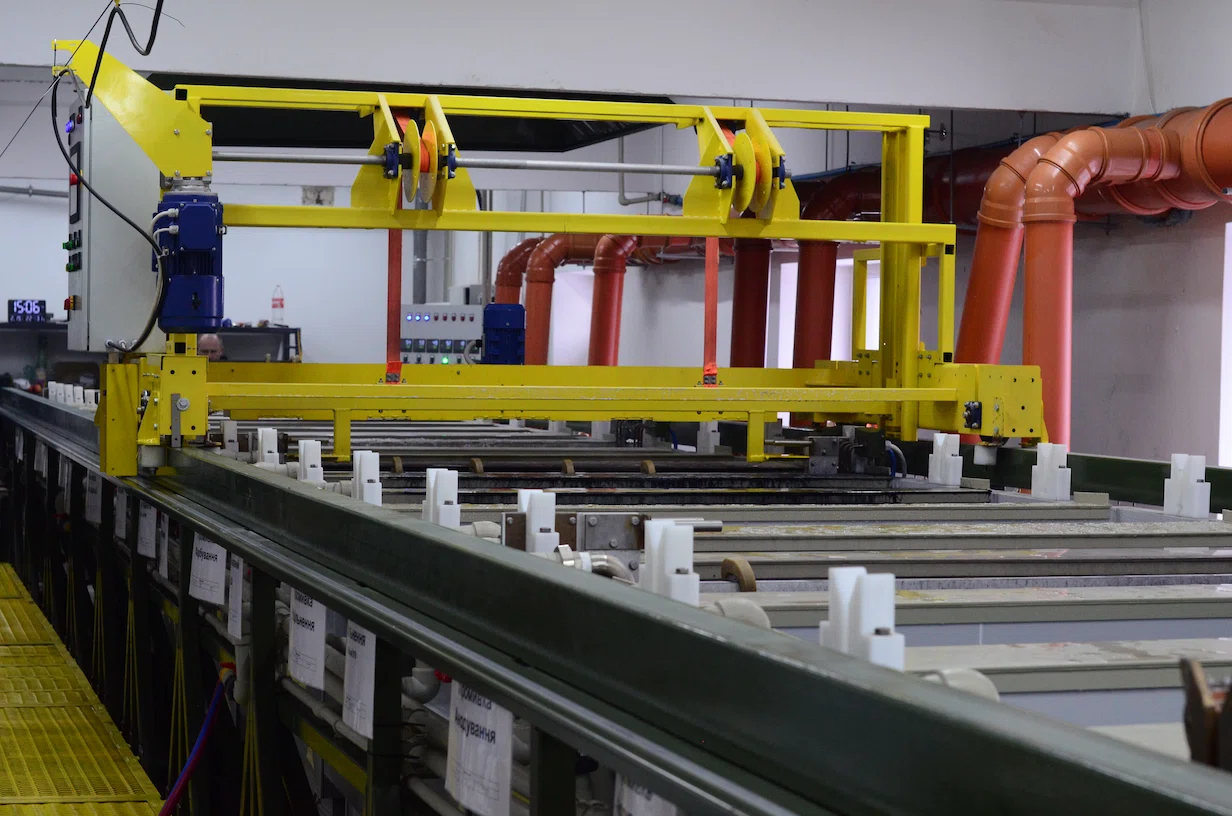
"Technology is evolving every day – it's important not to keep up with it, but to get ahead of it."
Anodized surfaces can be found literally everywhere:
- in smartphone and laptop cases
- in car and motorcycle parts
- in furniture elements
- in advertising structures
- in architecture, facades and external structures
- in medical equipment
Thanks to a wide range of colors, anodized products are not only durable but also aesthetically pleasing.
Conclusion.
Anodizing is not just a coating, but an investment in the durability and reliability of metal products. It combines aesthetics, manufacturability and strength, making metal better in every sense. So if you're looking for a way to improve your products or expand their capabilities, anodizing is definitely worth considering.