Colorless anodizing

Technical indicators
Technical indicators
Type of coating
- Colorless anodizing
Color: clear

Characteristics:
- The maximum size is 2000x600x500 mm.
Control of coating thickness
- Material: Aluminum
- Aluminum series: 1000, 2000, 5000, 6000, 7000
Colorless anodizing technology
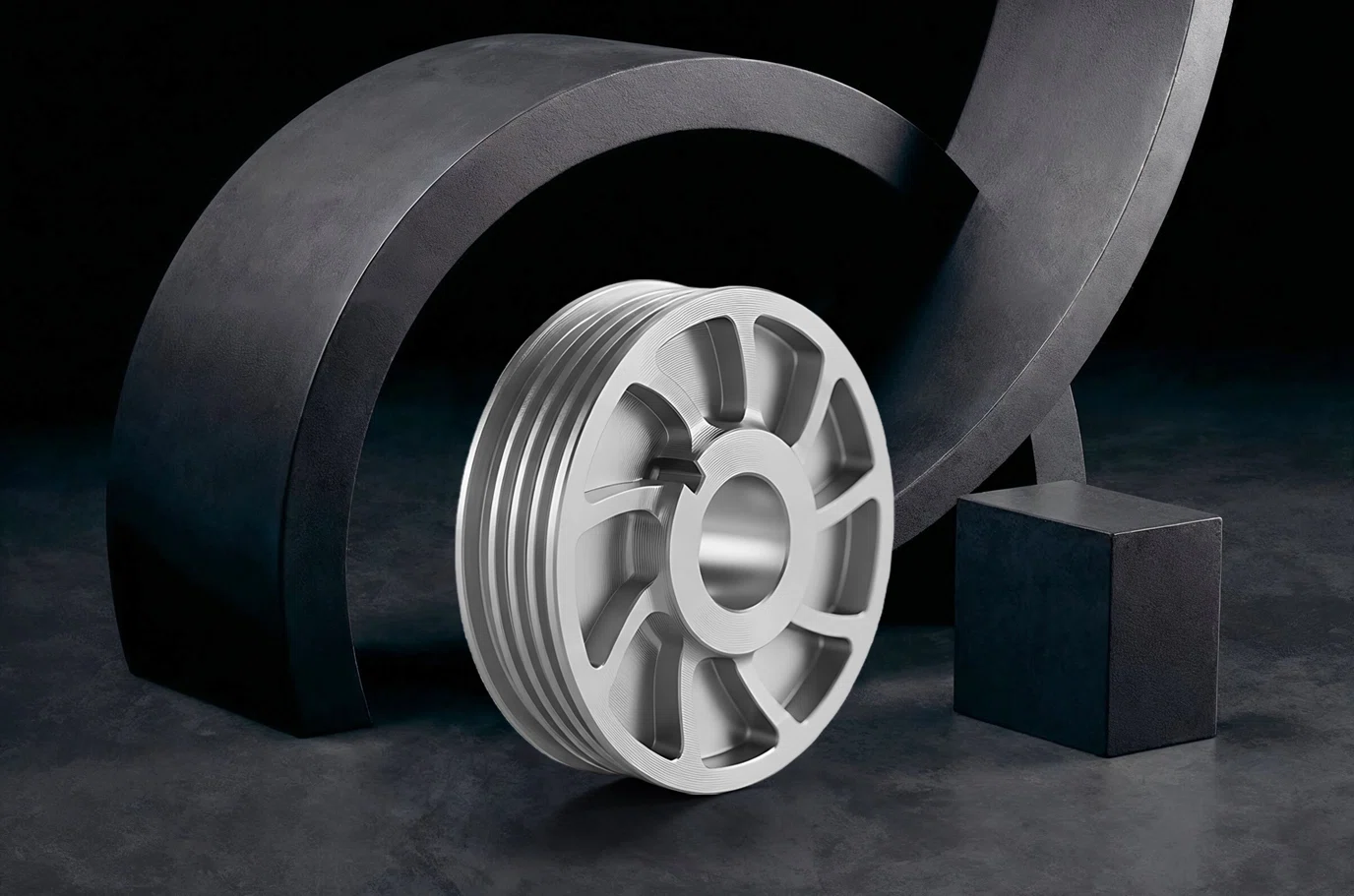
Color is not always necessary. In many cases, it is important to preserve the natural appearance of the metal while increasing its resistance to corrosion and wear. This is why colorless anodizing is used – a treatment that forms a transparent protective layer without changing the surface shade.
This process is most commonly used for aluminum and its alloys. After anodizing, an oxide film forms on the surface, increasing hardness and protecting the material from moisture and air. Visually, the part retains its metallic appearance, but its performance becomes more stable.
When is colorless anodizing appropriate?
This treatment is chosen for parts where the natural appearance of the metal is important. These can be housing elements, structural components, equipment parts or interior products where the color should not change.
Colorless anodizing is also advisable if the part is used in a humid environment or outdoors. The protective layer minimizes the risk of oxidation and maintains surface stability for a long time.
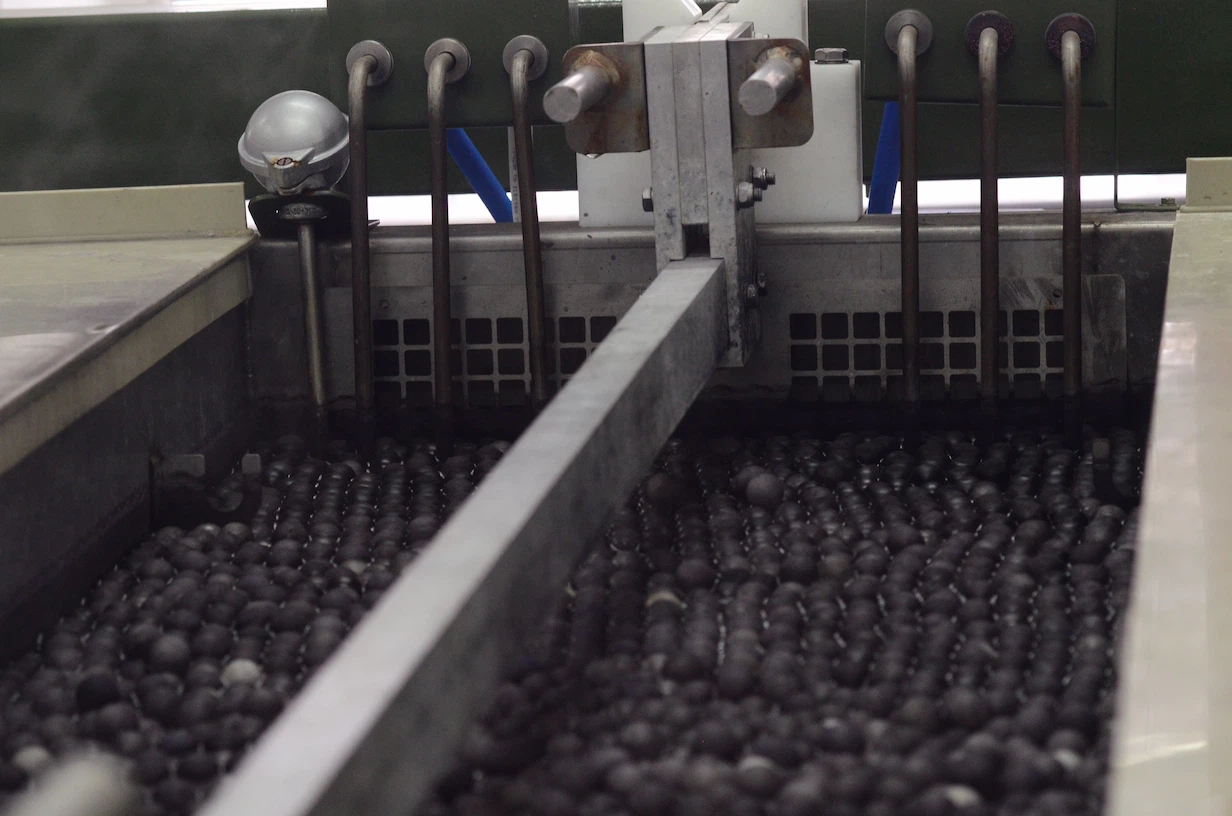
Features of the process
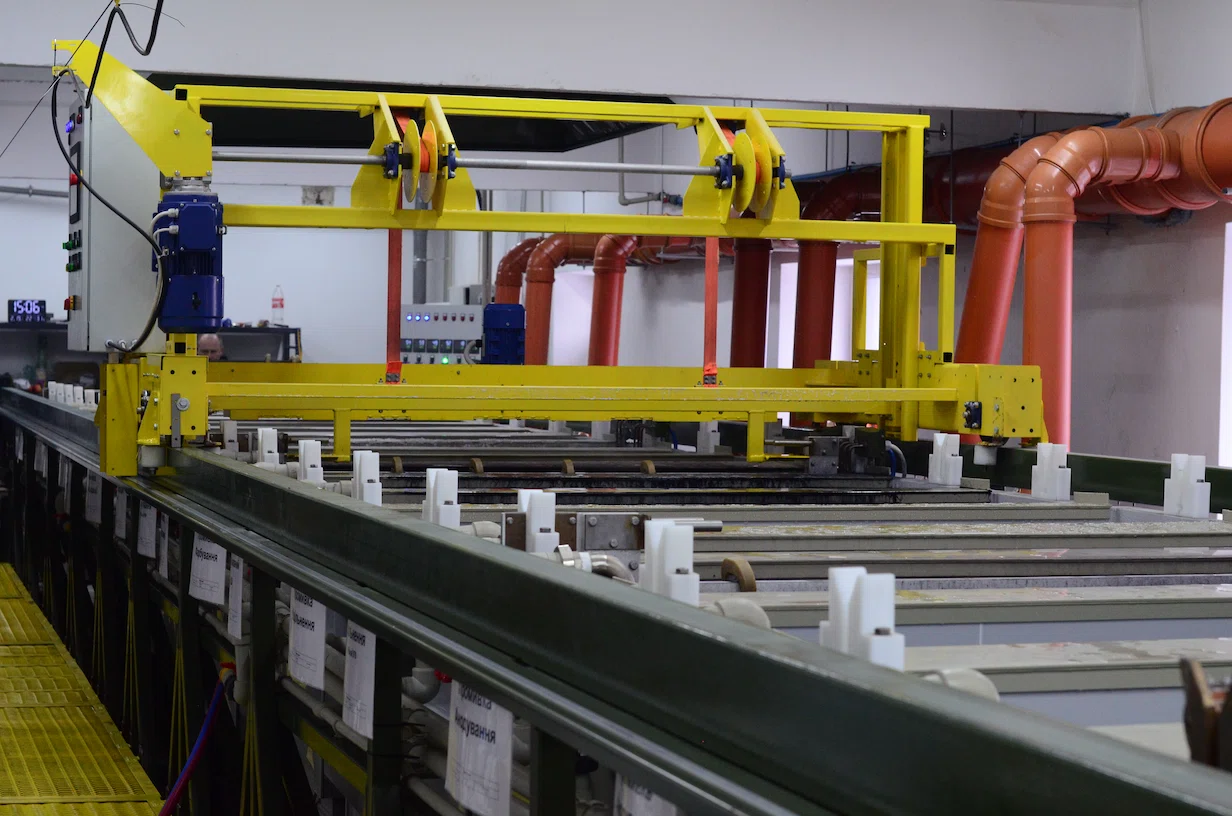
Before anodizing, the surface is prepared by cleaning and degreasing. Next, an oxide layer of a given thickness is formed in the electrolyte. The process parameters are controlled to ensure uniformity of the coating and compliance with technical requirements.
The oxide film becomes part of the metal, not a separate layer. This is what ensures the durability and stability of the anodizing result.
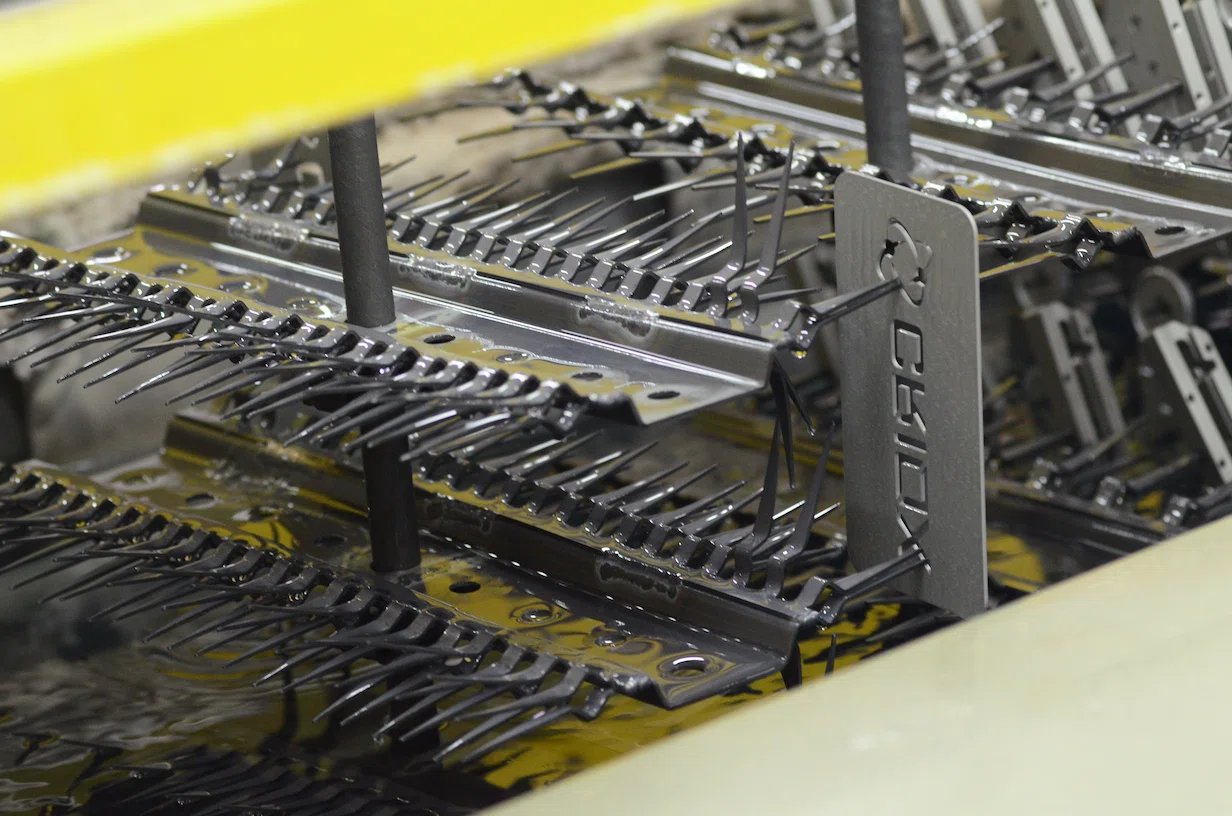
What does colorless anodizing do in practice?
After treatment, the surface becomes more resistant to scratches and corrosion. The part retains its properties and does not require additional painting. The protective layer is almost invisible, but effectively protects the parts.
This is the optimal solution for products that require a neat appearance without a decorative effect.
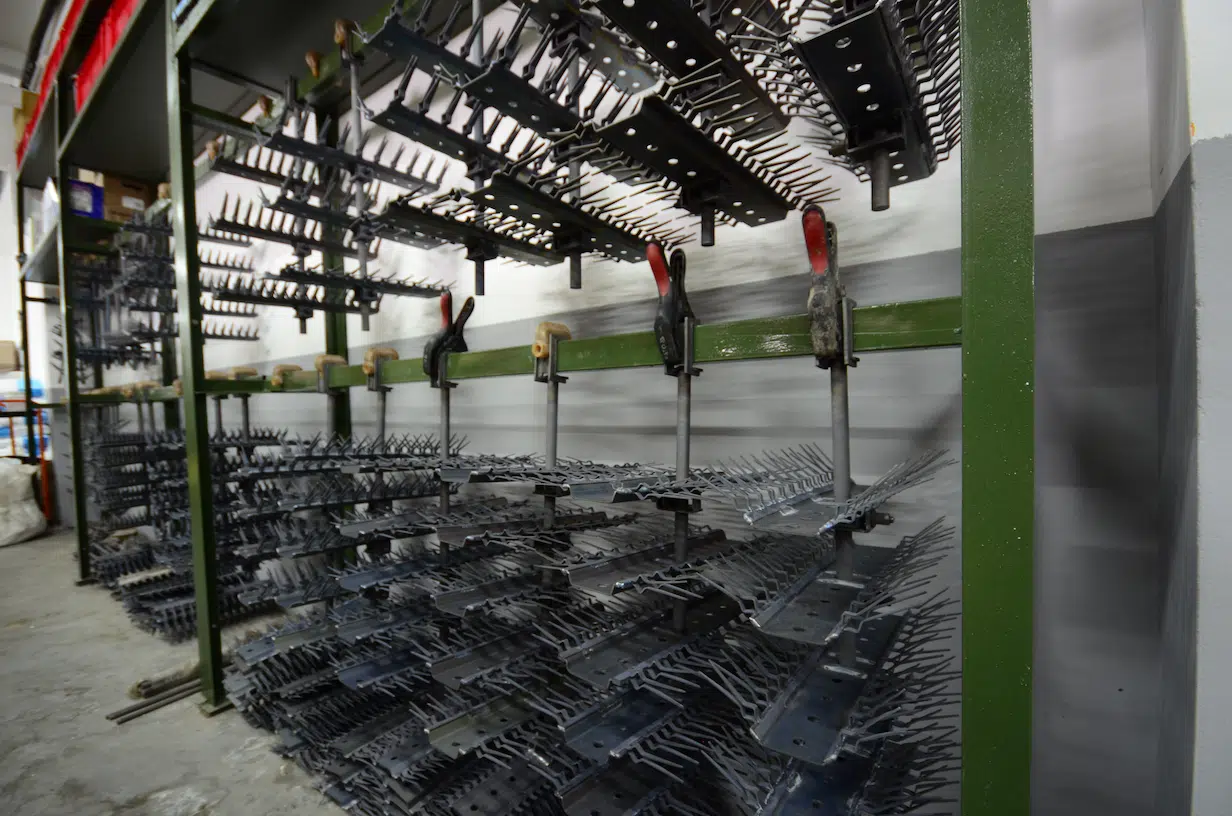
Organization of colorless anodizing
Process parameters are determined based on the alloy, surface condition, and oxide layer thickness requirements. It is important to ensure uniformity of the coating without changing the geometry of the part and without losing the natural appearance of the metal.
For an estimate, it is enough to provide a drawing or description of the product. After the analysis, we agree on technical parameters, lead times, and processing costs.
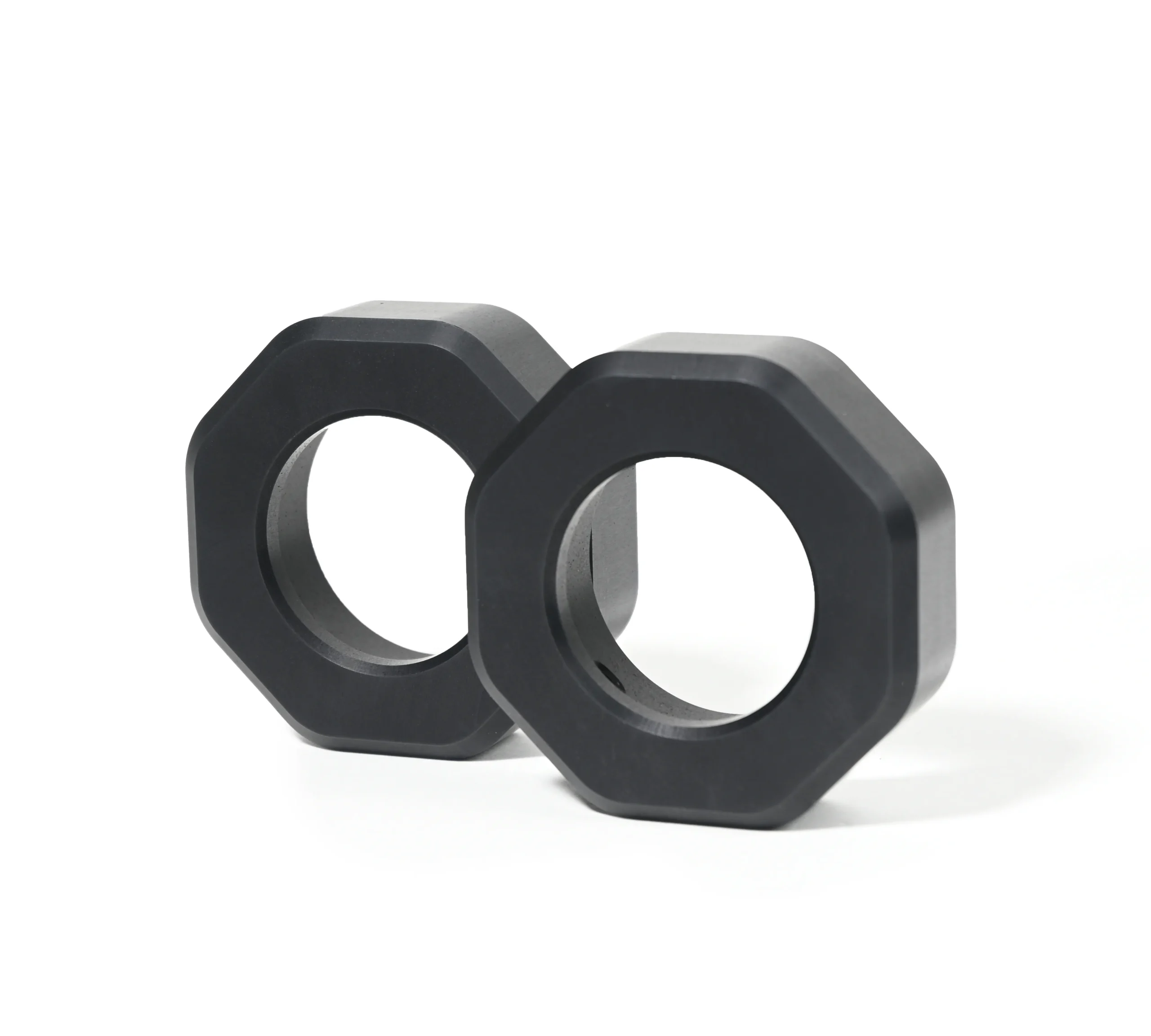
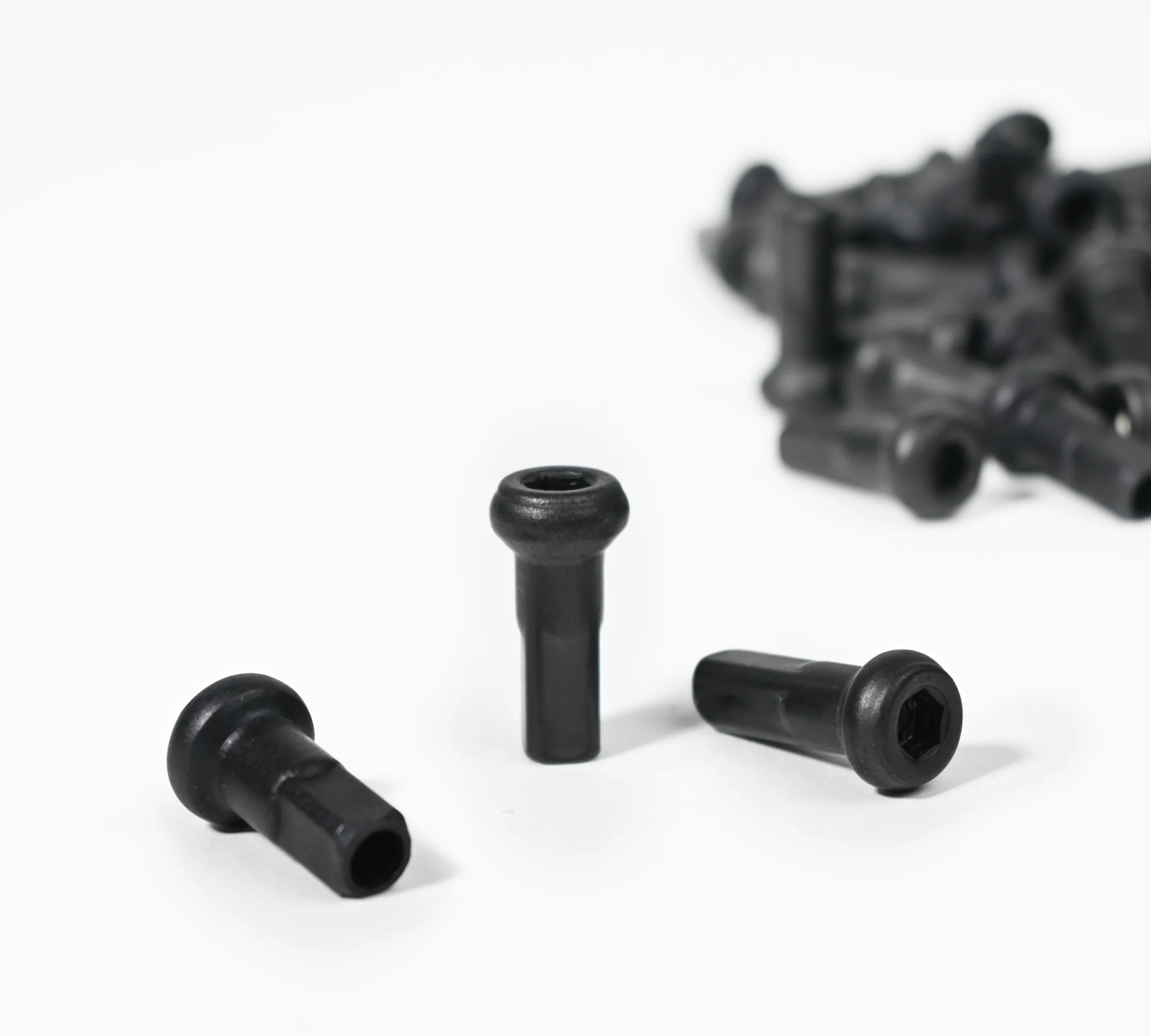
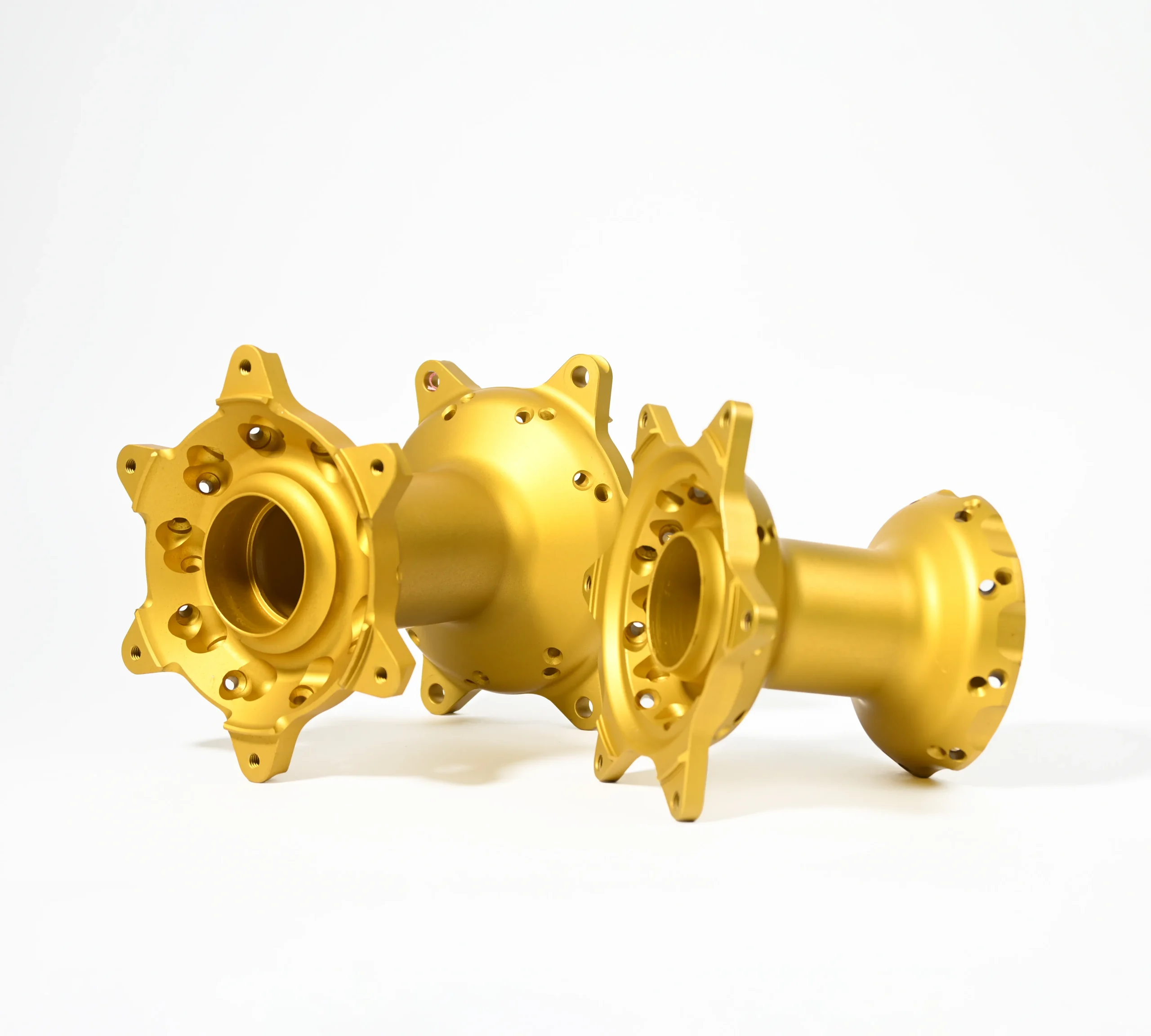
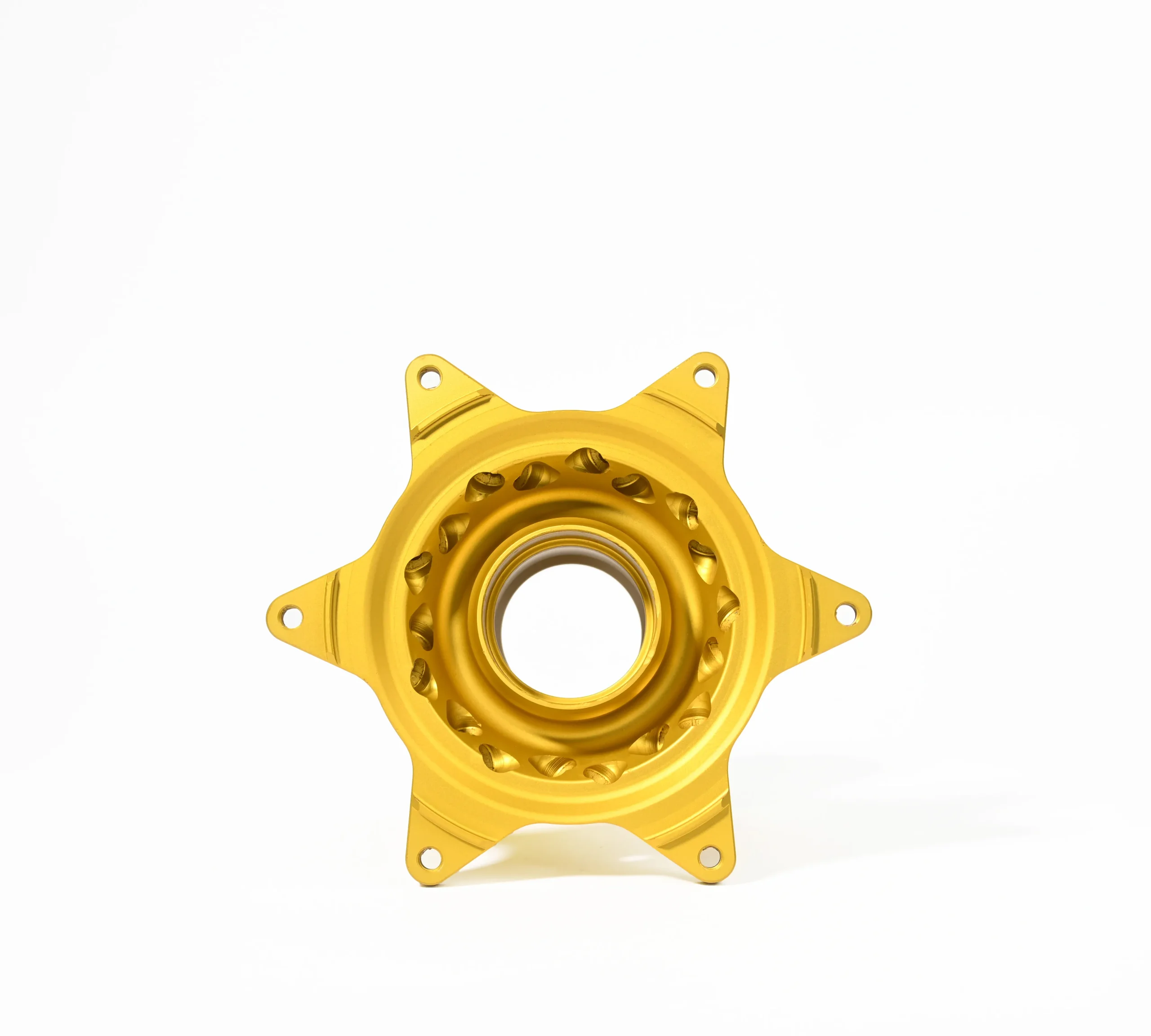
The works we are most proud of The works we are most proud of
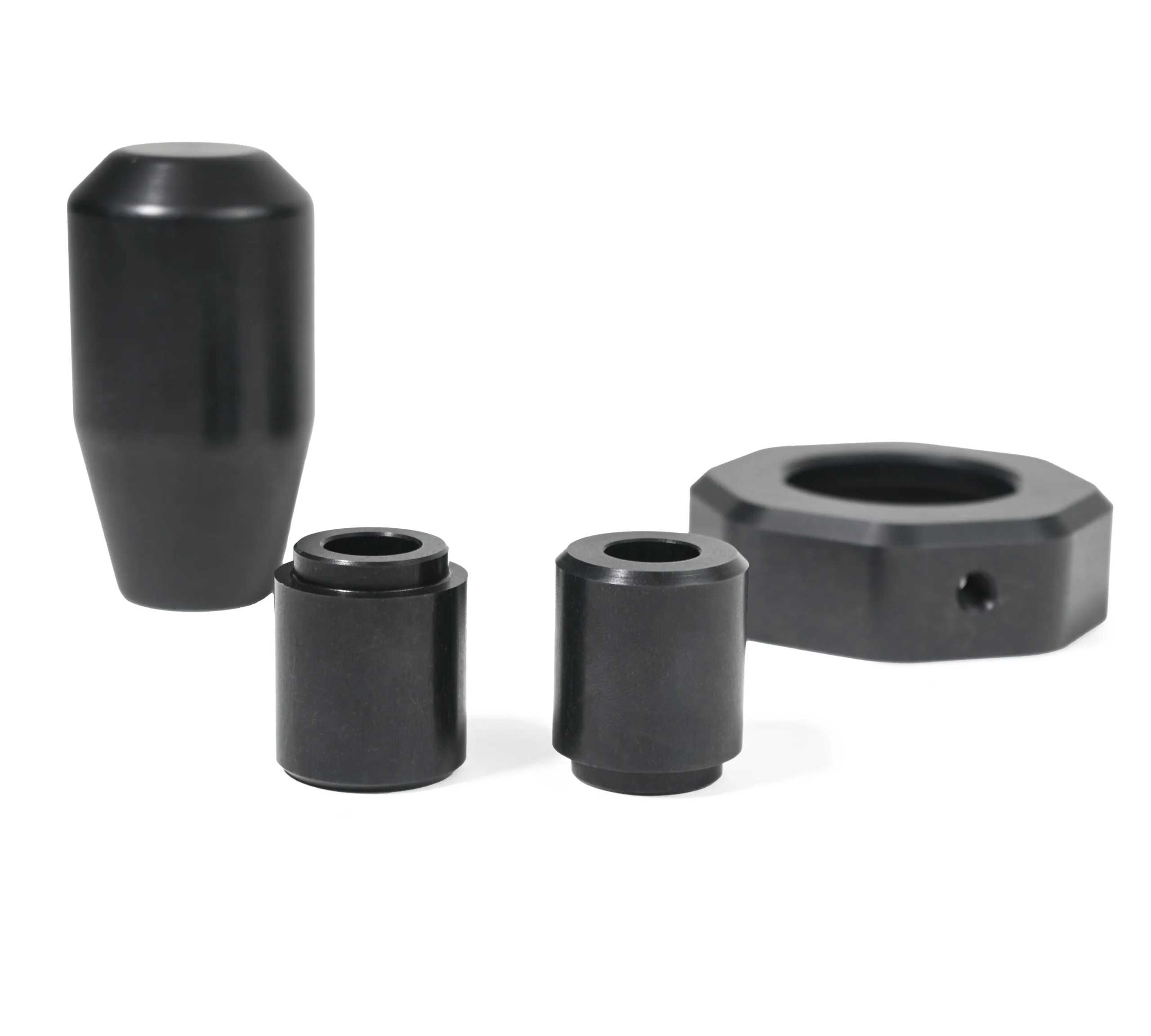

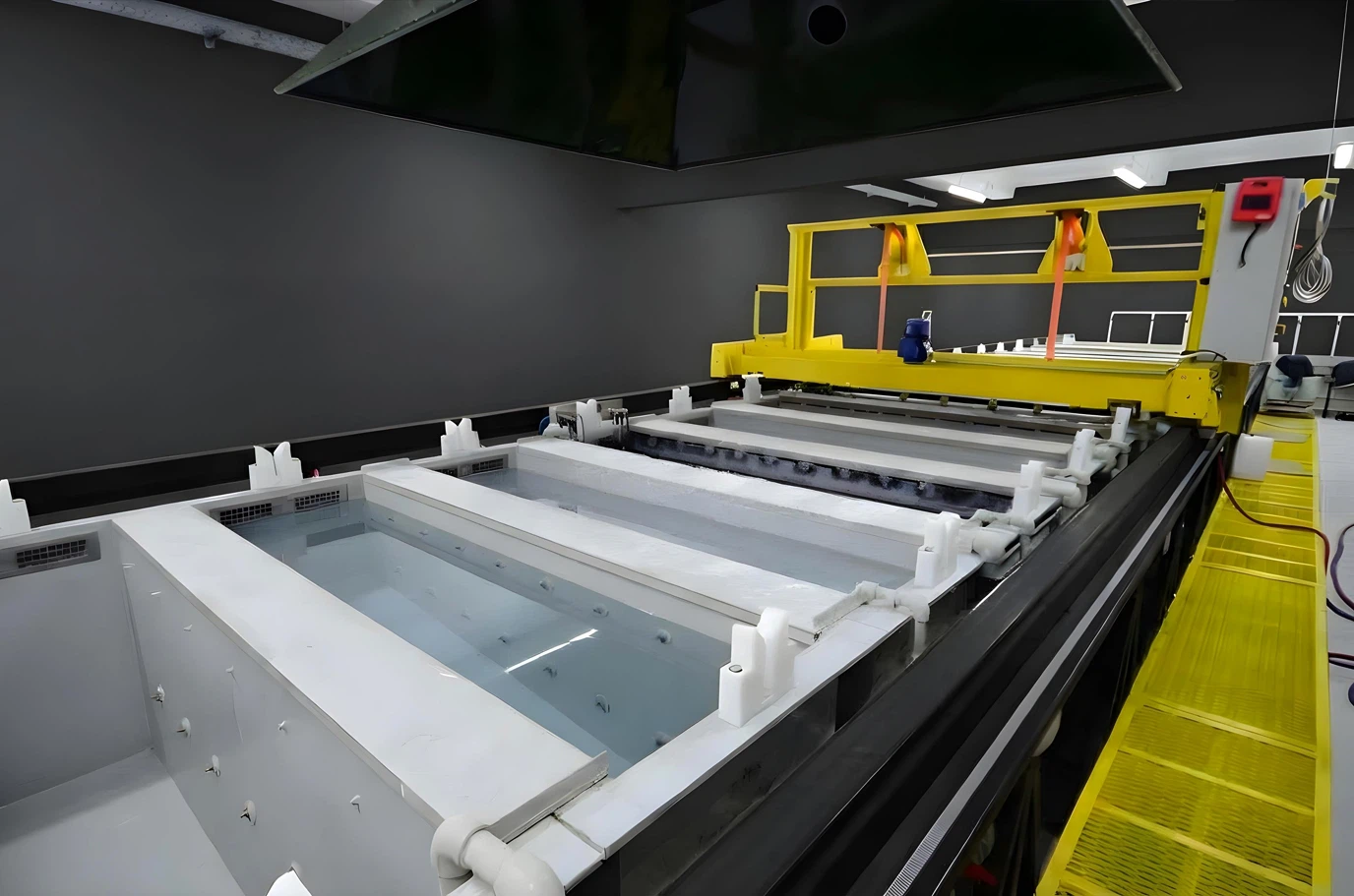
Passivation of metal
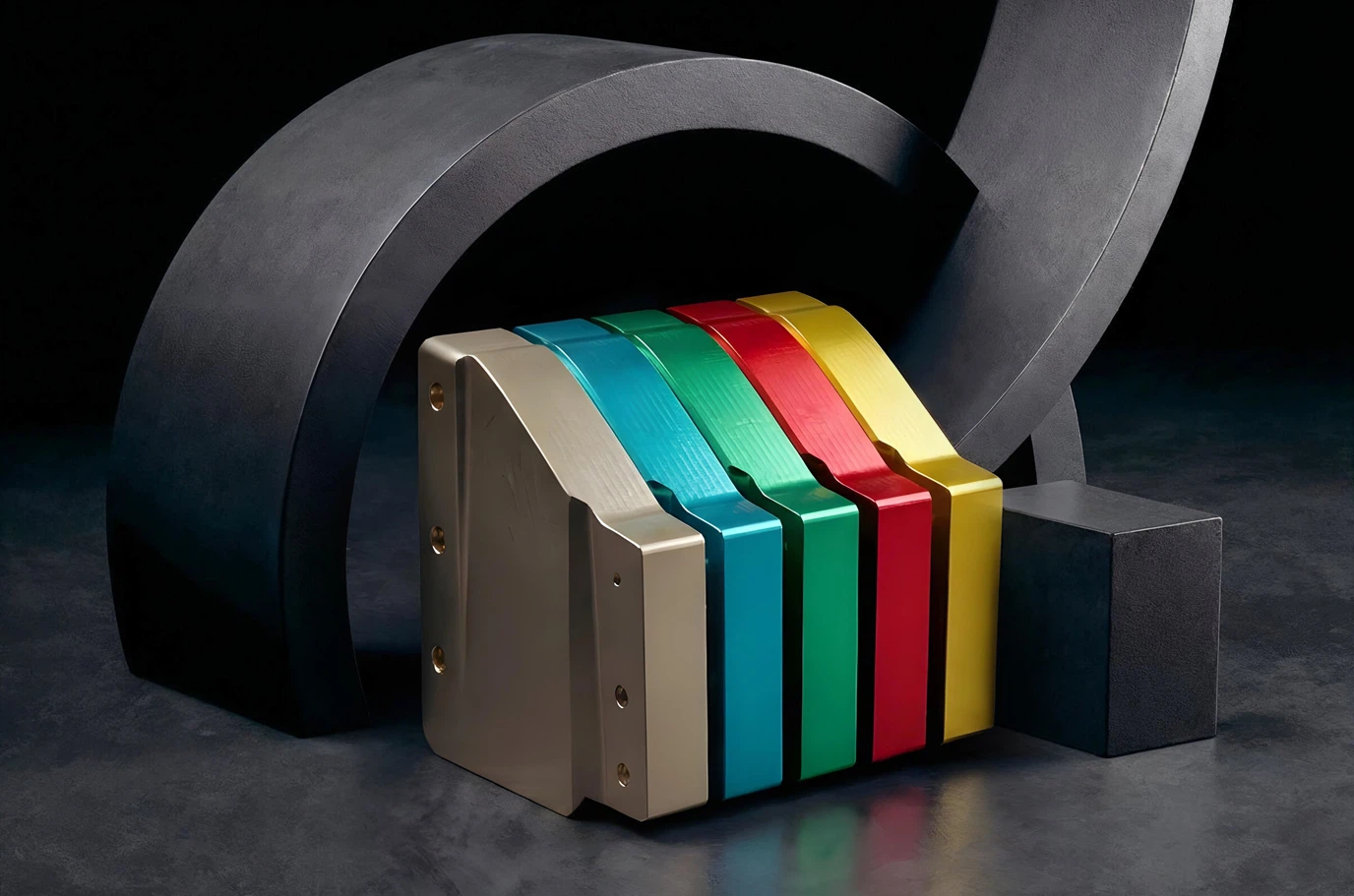
Color anodizing
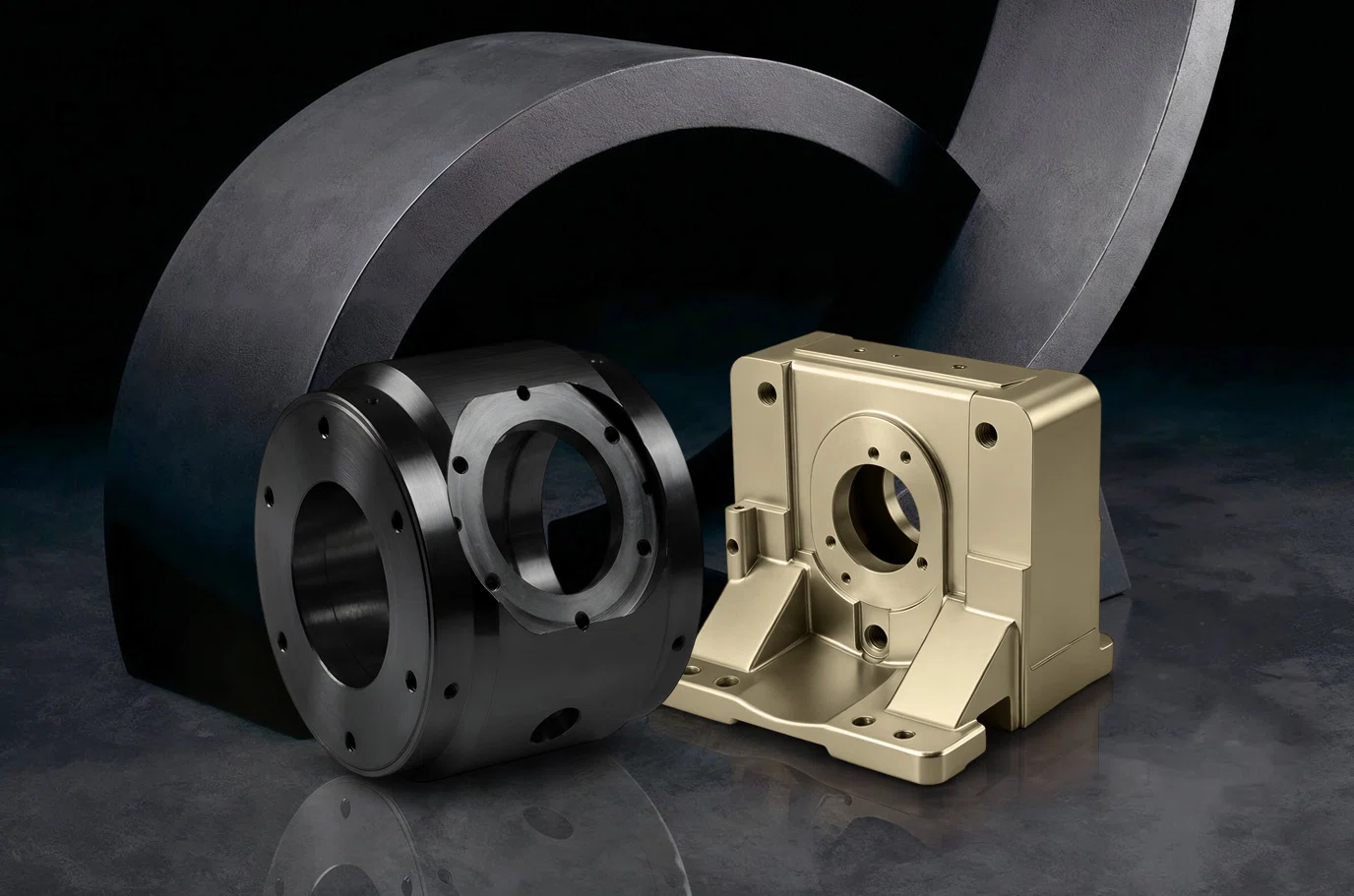
Hard anodizing
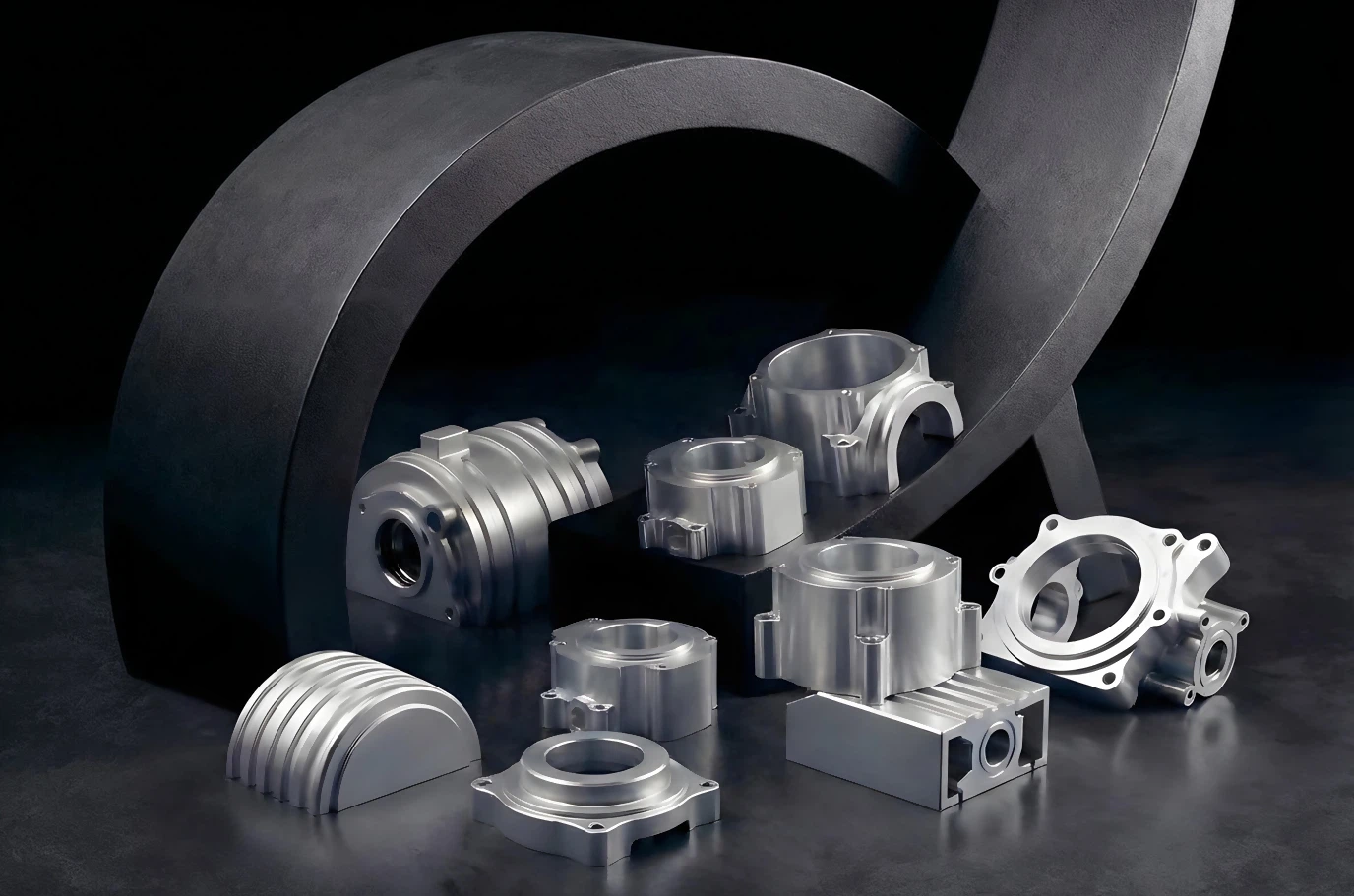
Aluminum Anodizing
Colorless anodizing
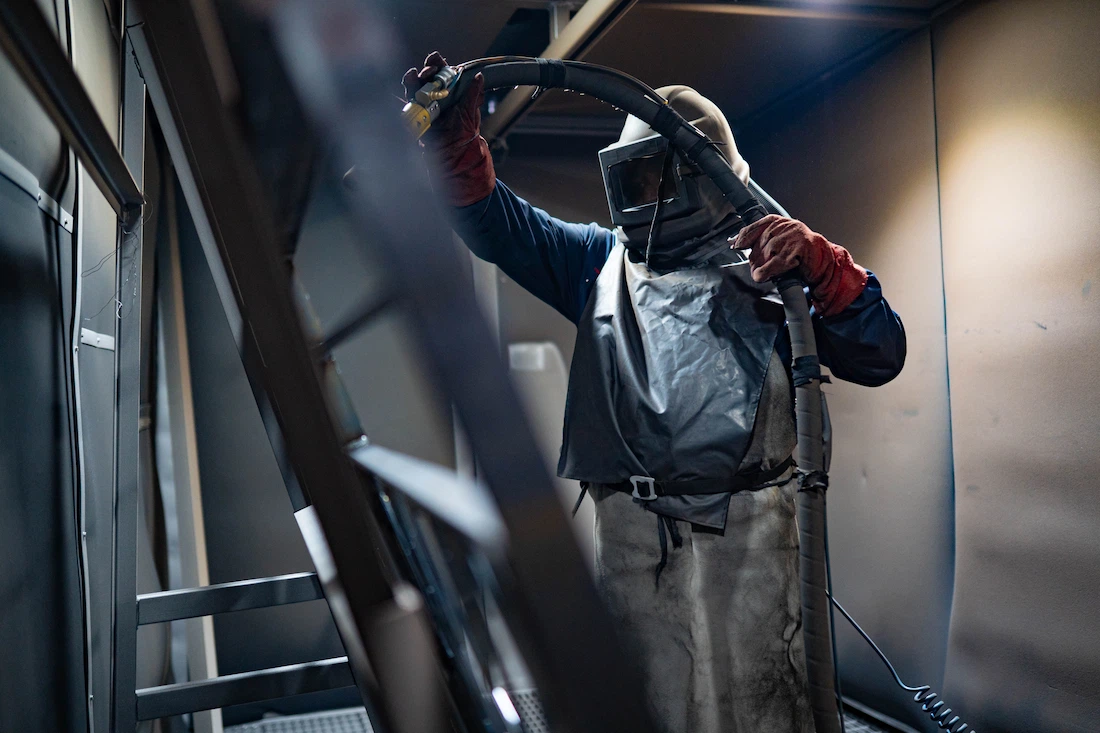
Sandblasting of metal
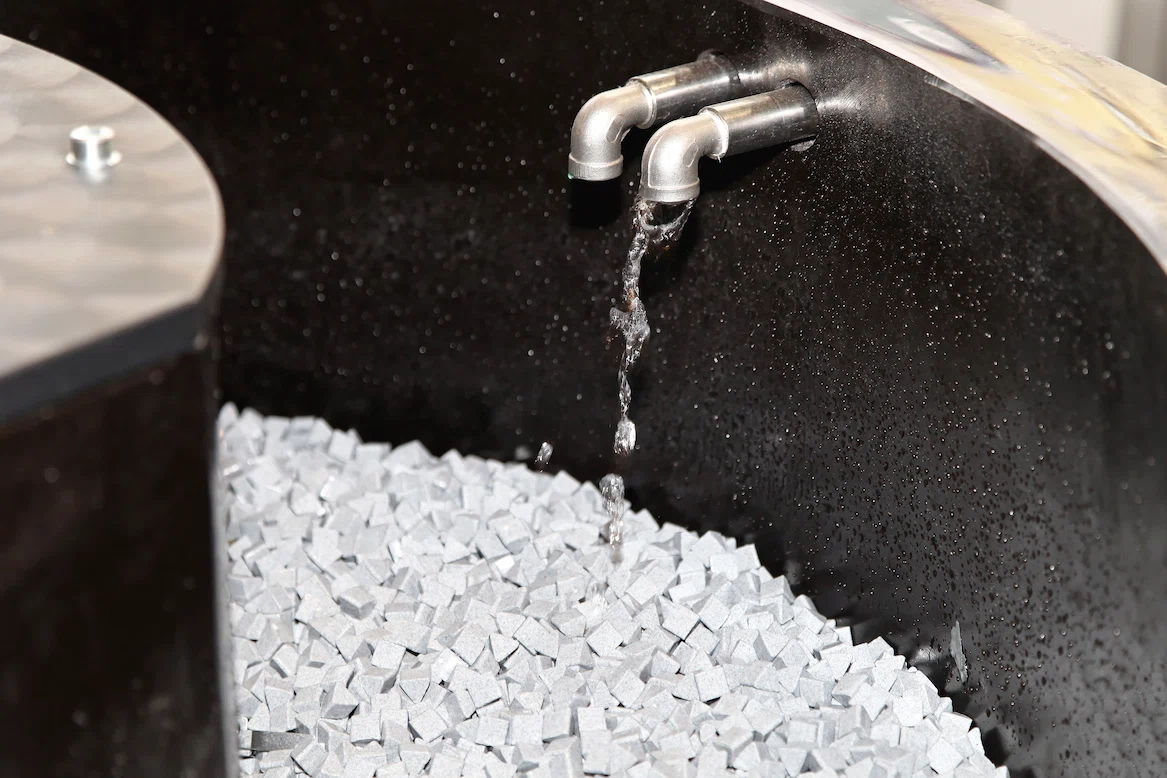
Vibrating shaker
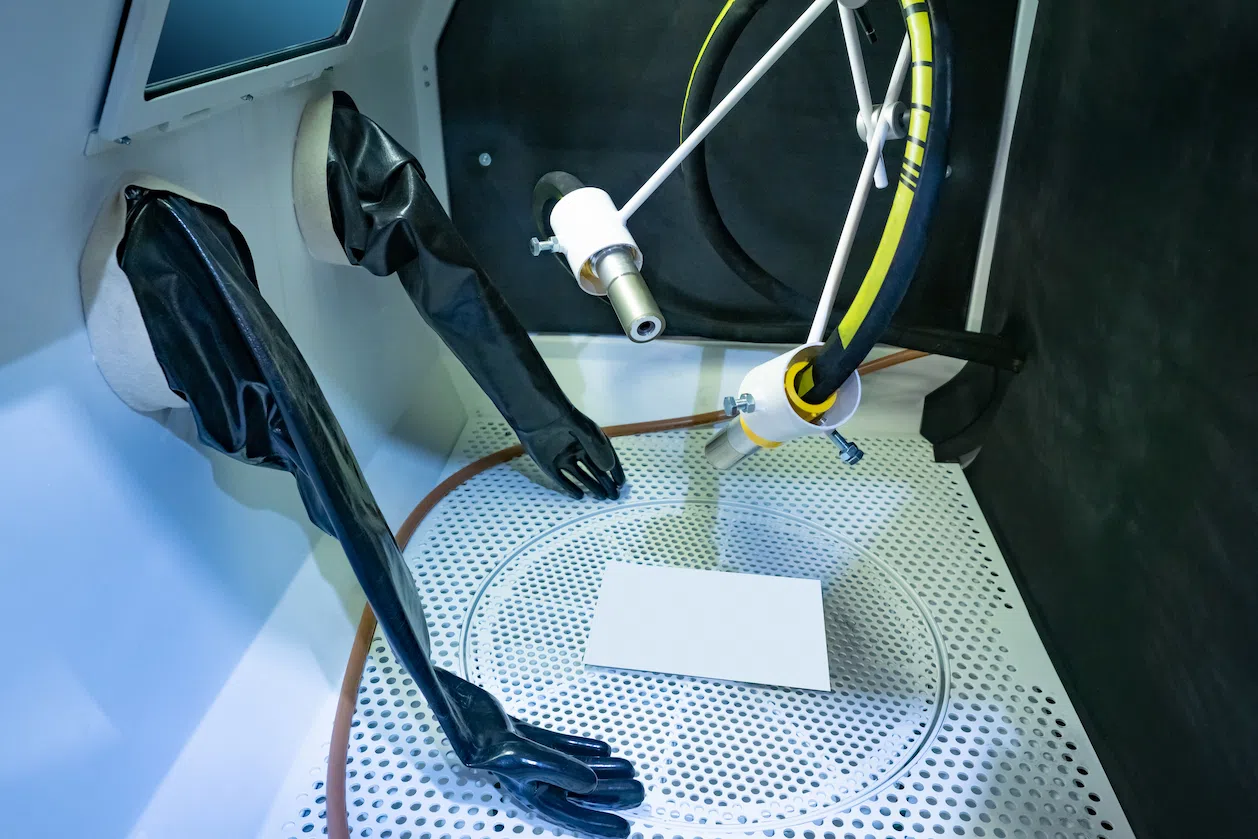
Glass blasting of metal
Cerakote (ceramic coloring)
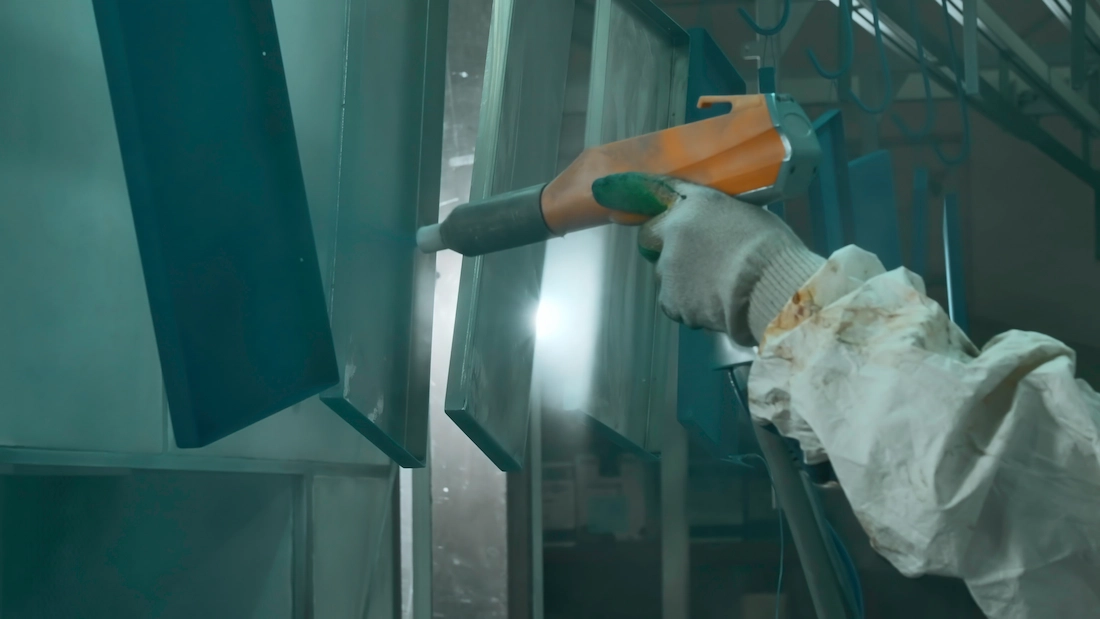
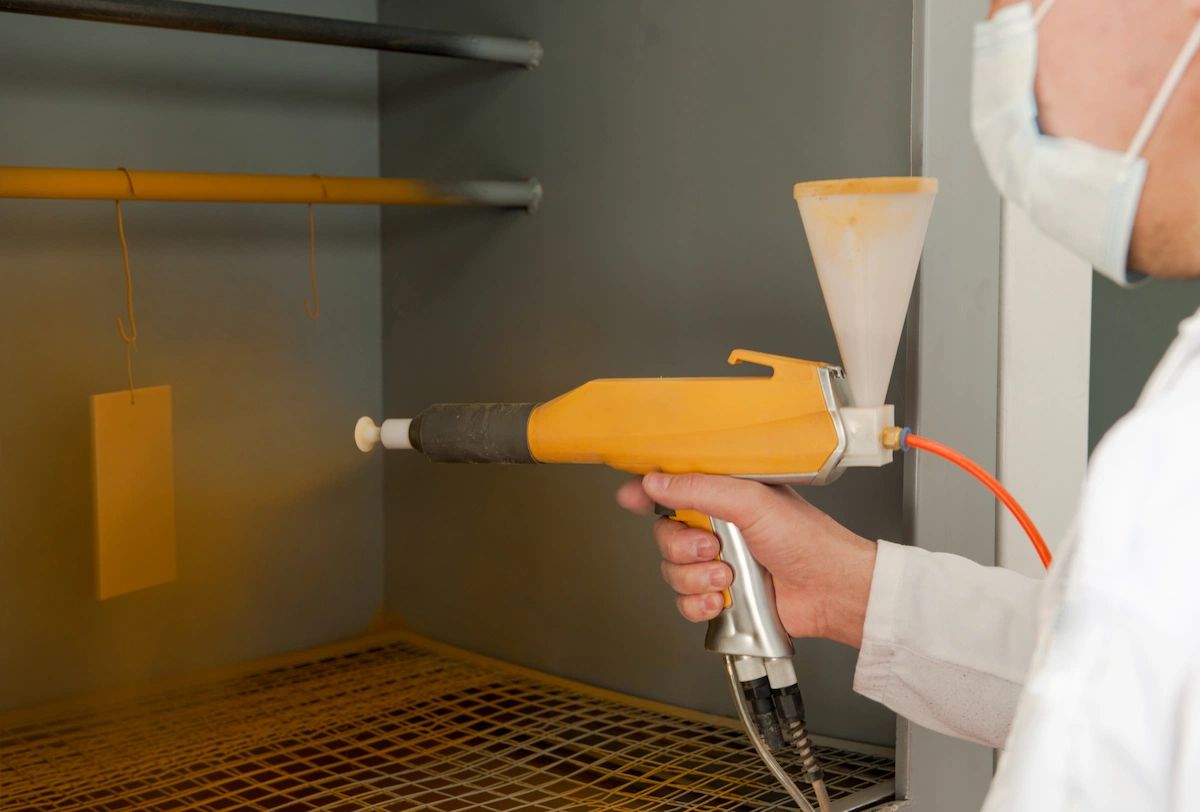
Powder coating
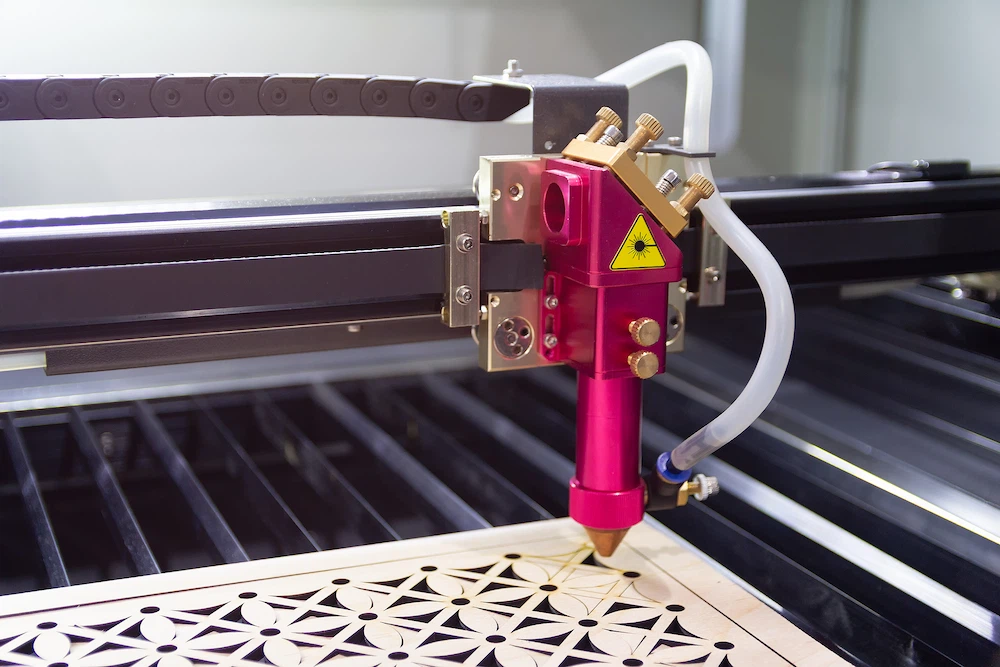
Laser cutting of non-metals
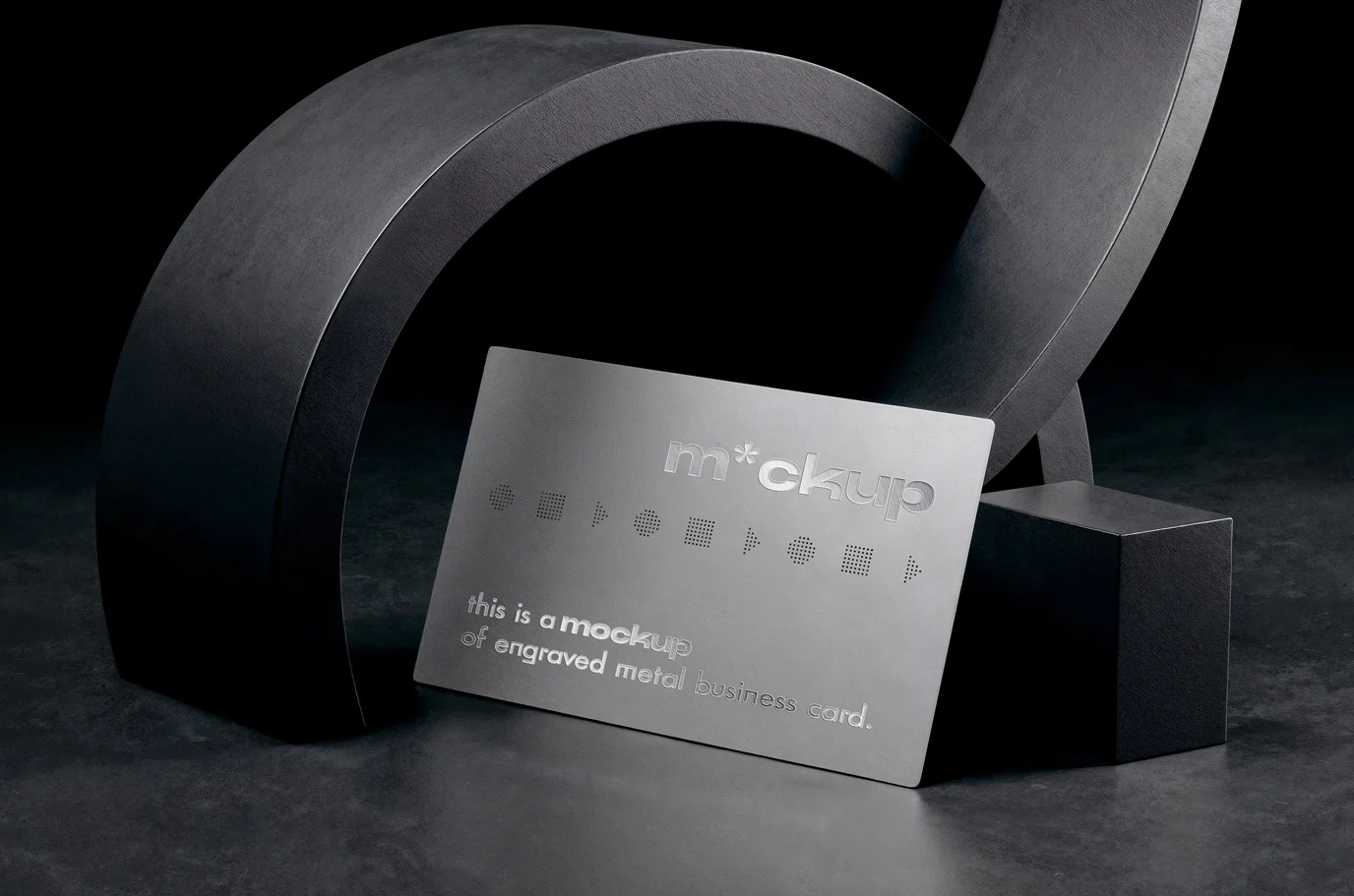
Laser marking of metals
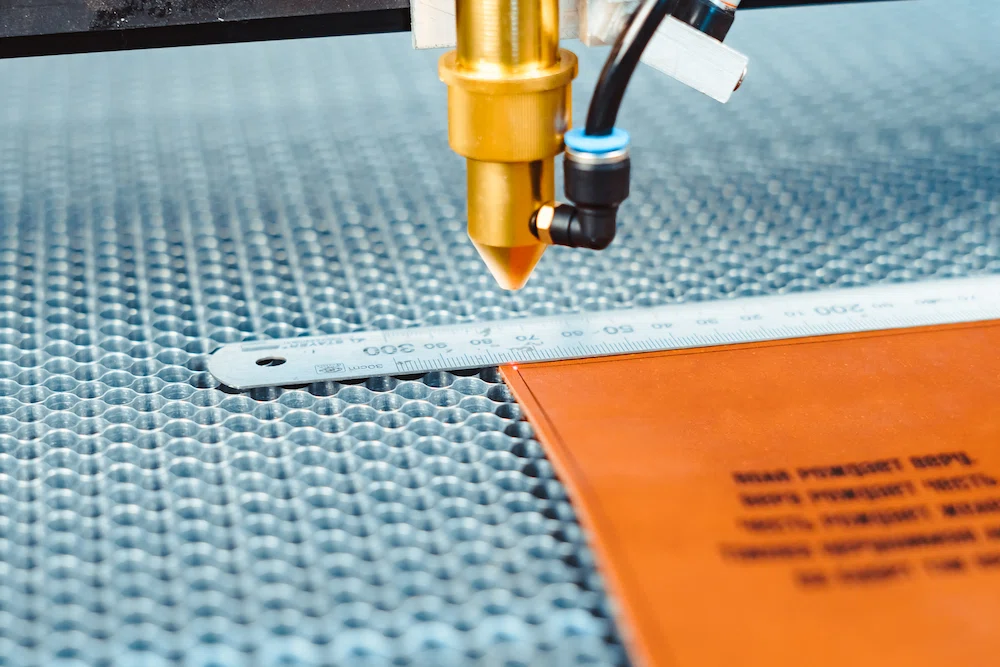
Laser engraving of non-metals
Laser engraving of metal