
Aluminum Anodizing
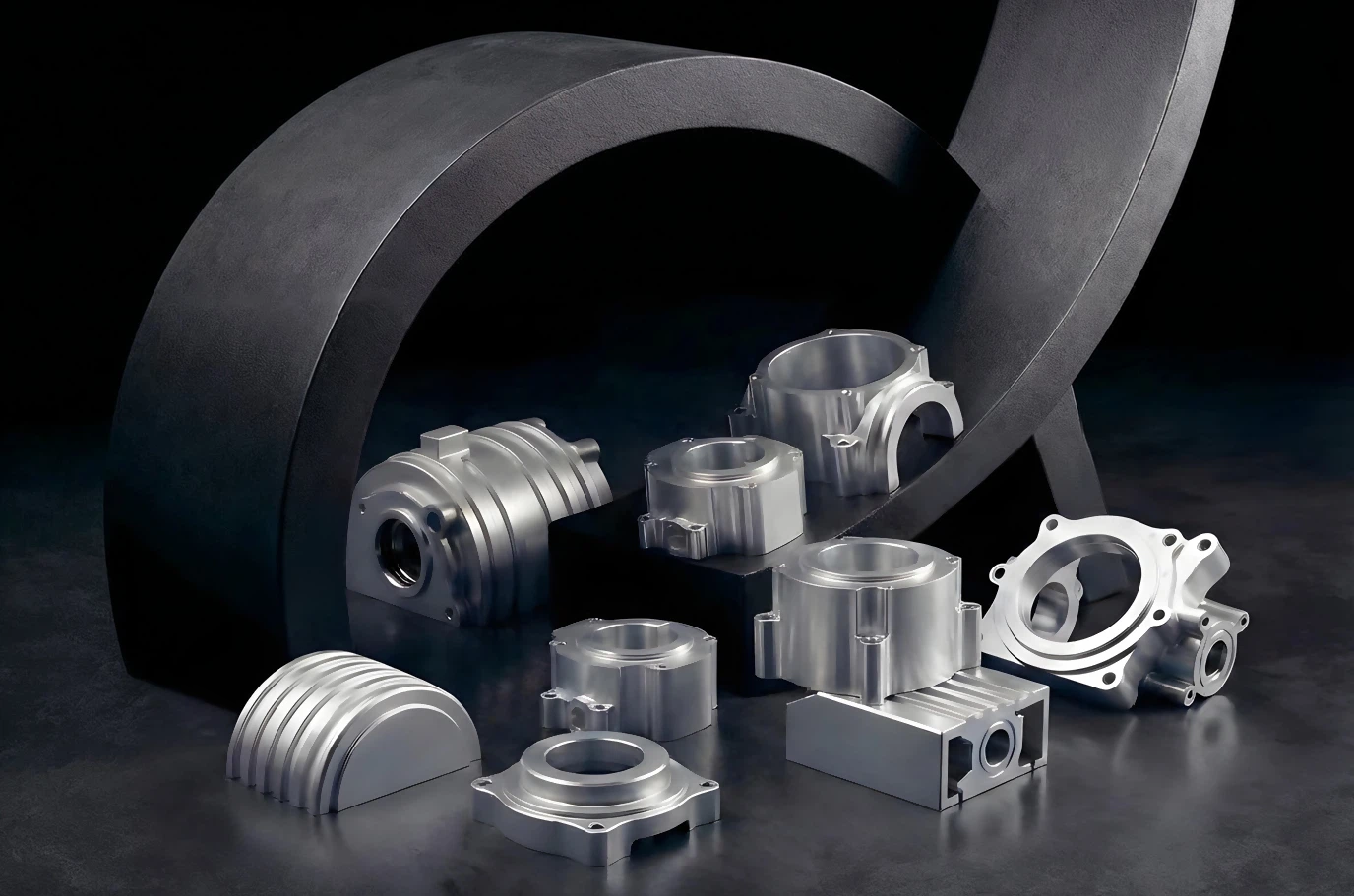

What is aluminum anodizing?
Aluminum anodizing is an electrochemical process that forms a controlled oxide layer on the metal surface. Unlike painting or applying a third-party coating, the film is formed directly from the material itself, becoming part of it. That is why anodized aluminum retains the geometry of the part and demonstrates stable corrosion resistance.
The process is used to increase wear resistance, improve the appearance and prepare the surface for further use in difficult conditions.
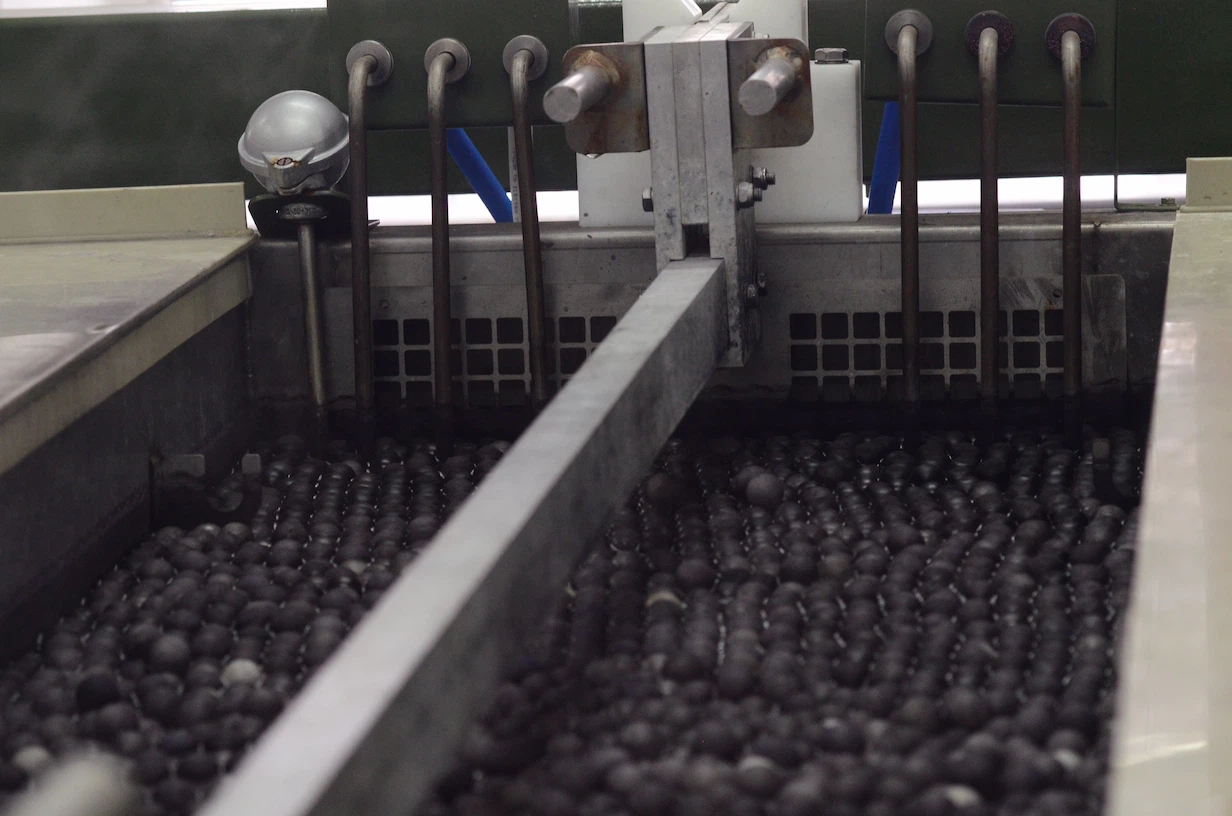
Types of anodizing
Two main modes are used in production:
Conventional anode
Forms a protective and decorative oxide layer. It is used for parts where corrosion resistance and the possibility of further painting or obtaining a natural shade are important. After the process, the surface can remain in its natural color or be painted.
Solid anode
It is performed in more severe conditions and forms a denser and thicker oxide layer with increased hardness. It is used for parts operating under mechanical stress or in friction conditions. This layer has better wear resistance.
In both cases, it is an electrochemical reaction that results in the formation of an oxide film with a controlled structure on the aluminum surface.
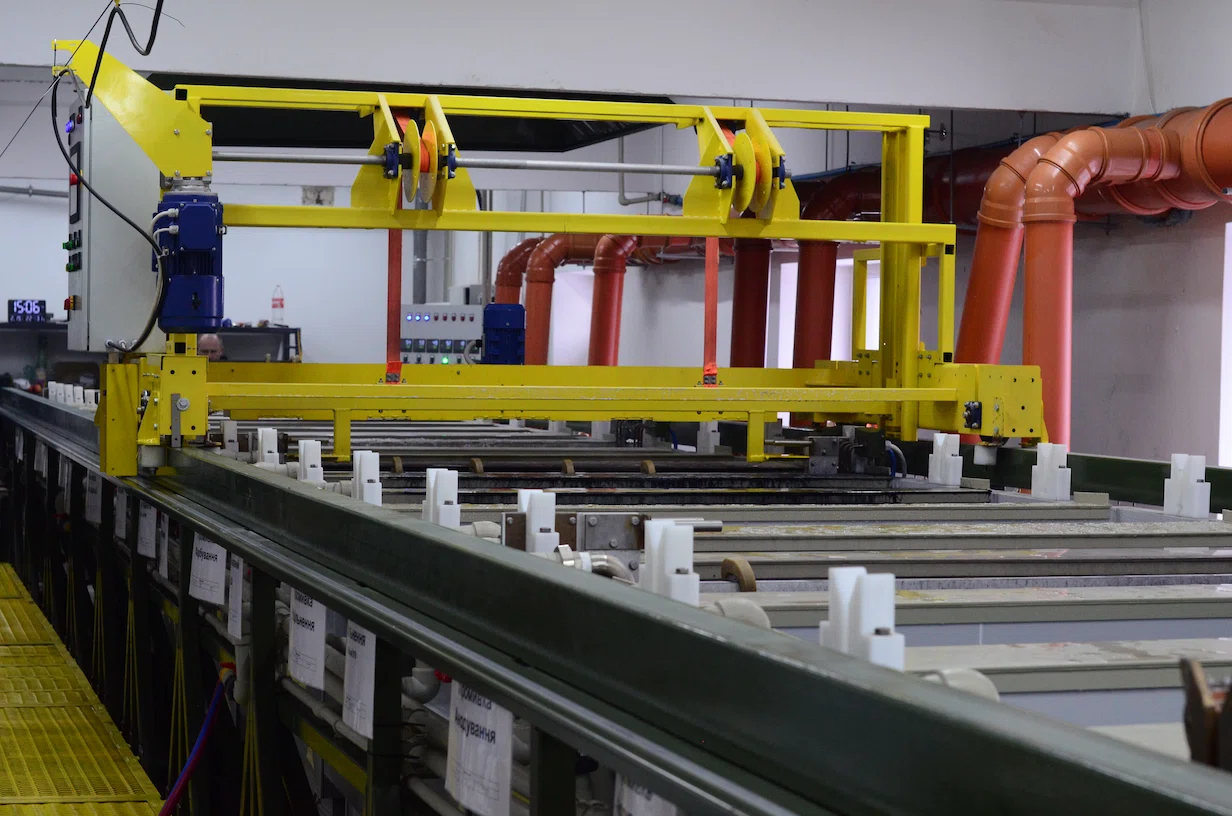
Overall capabilities of our production
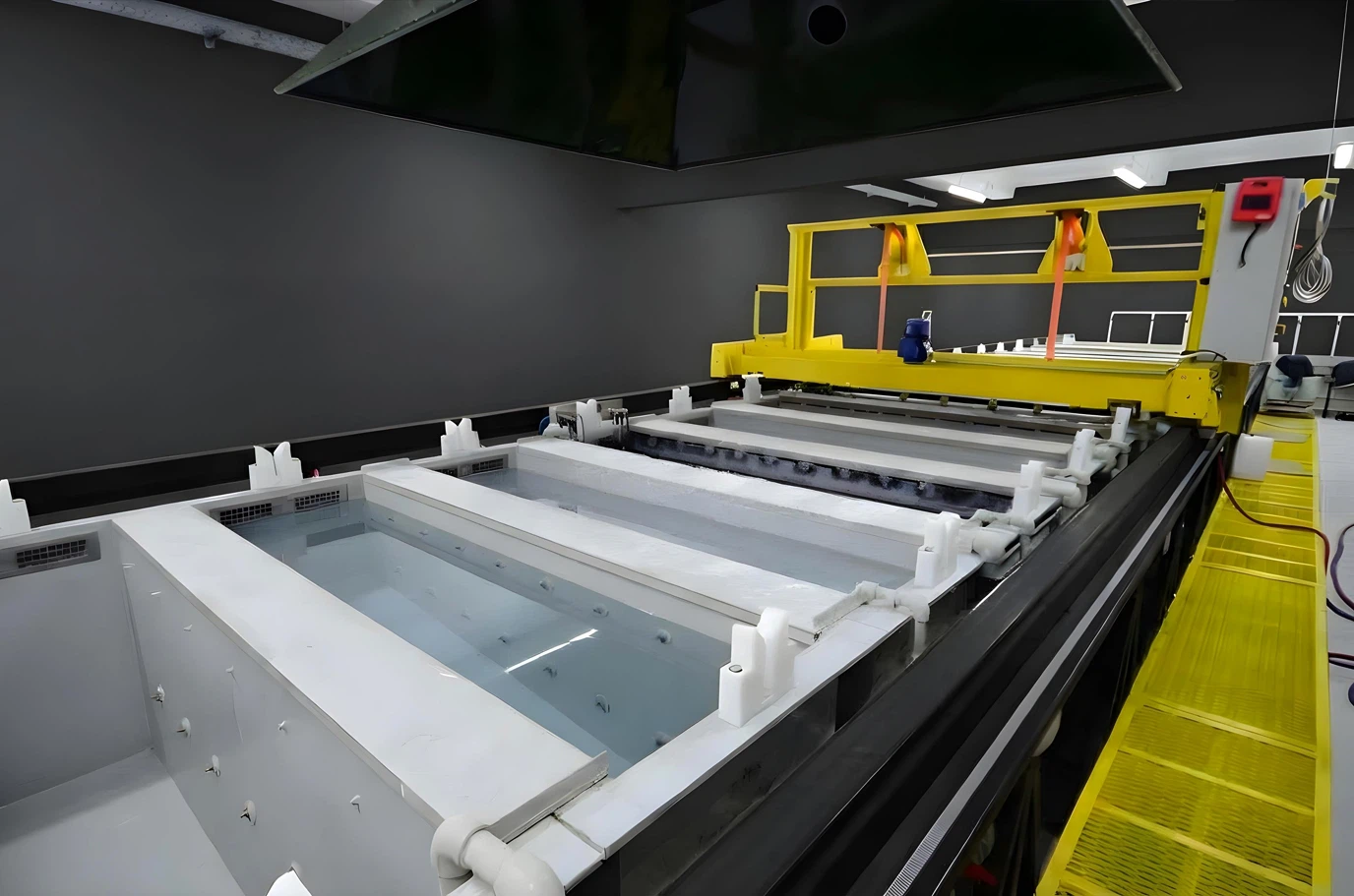
The key factor in anodizing is the size of the processing baths. The production line uses baths with dimensions of:
2000 × 600 × 500 mm for natural, black and hard anodizing.
For color coatings and passivation, the baths are used: 600 × 450 × 350 mm.
It is important to understand that these are the dimensions of the process equipment, not the maximum dimensions of the workpiece. The actual permissible dimensions of the parts are determined taking into account the suspension system, technological indents and the method of placement in the bath.
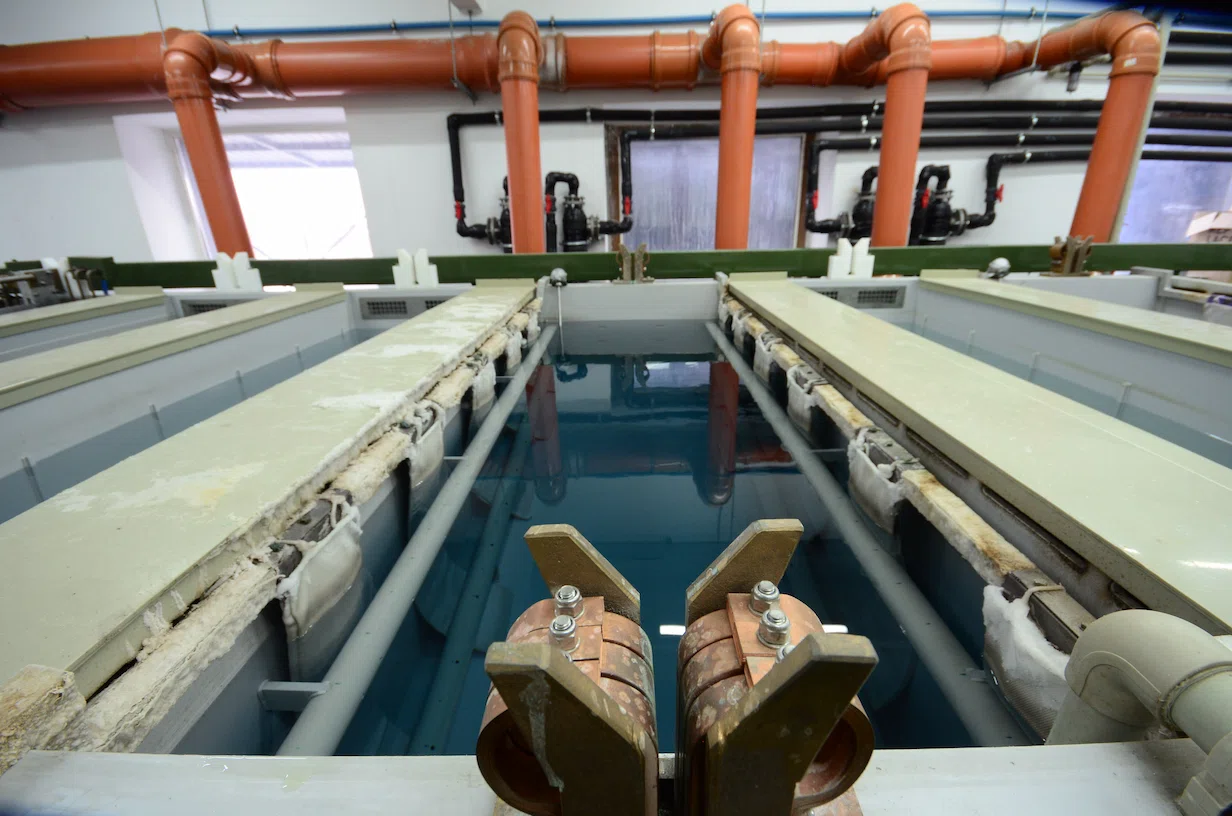
Process technology
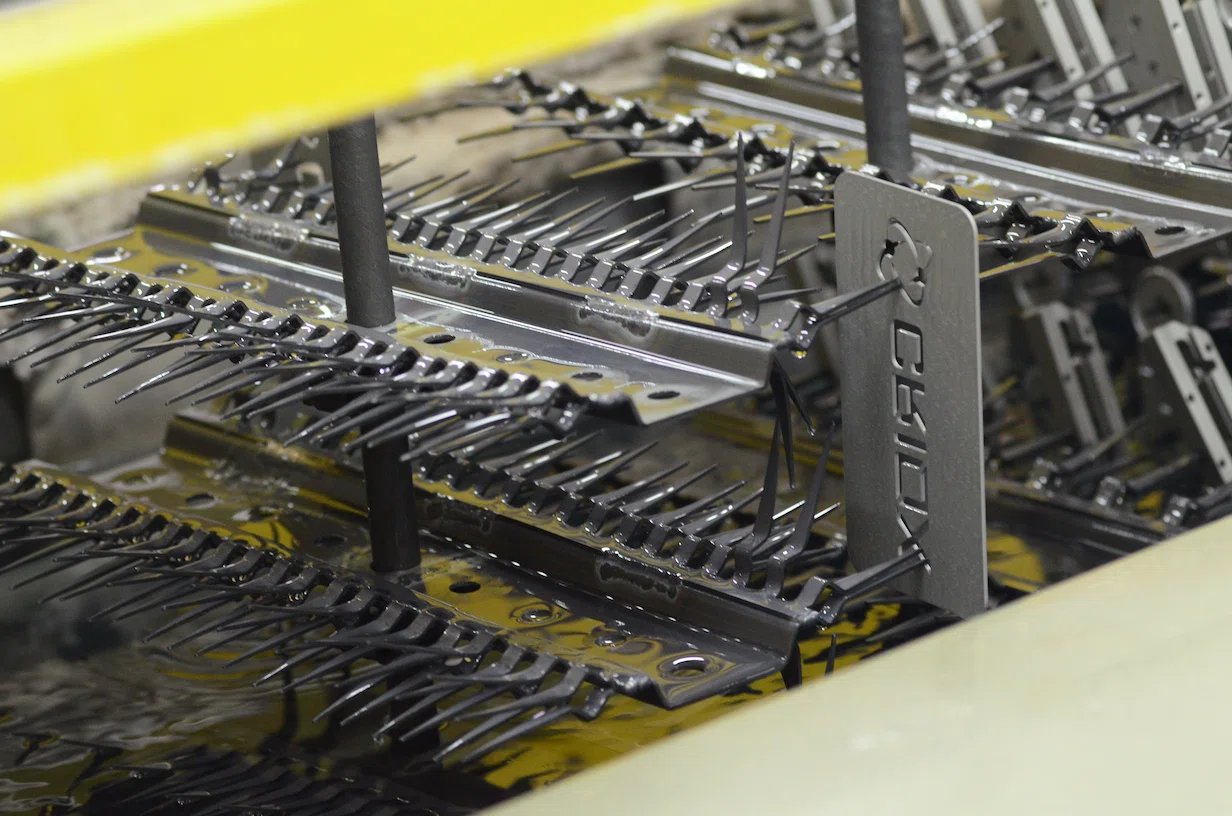
Before anodizing, aluminum undergoes preparation: cleaning, degreasing and surface activation. Then the part is immersed in an electrolyte, where an oxide layer of a given thickness is formed under the influence of current.
After the process is completed, the pores of the layer can be sealed to improve corrosion resistance and color stability. For decorative versions, black or natural anodizing is used, as well as further coloring within the technological capabilities of the line.
Controlling the current, temperature, and dwell time is critical to obtaining a uniform film structure over the entire surface of the product.
Where is aluminum anodizing used?
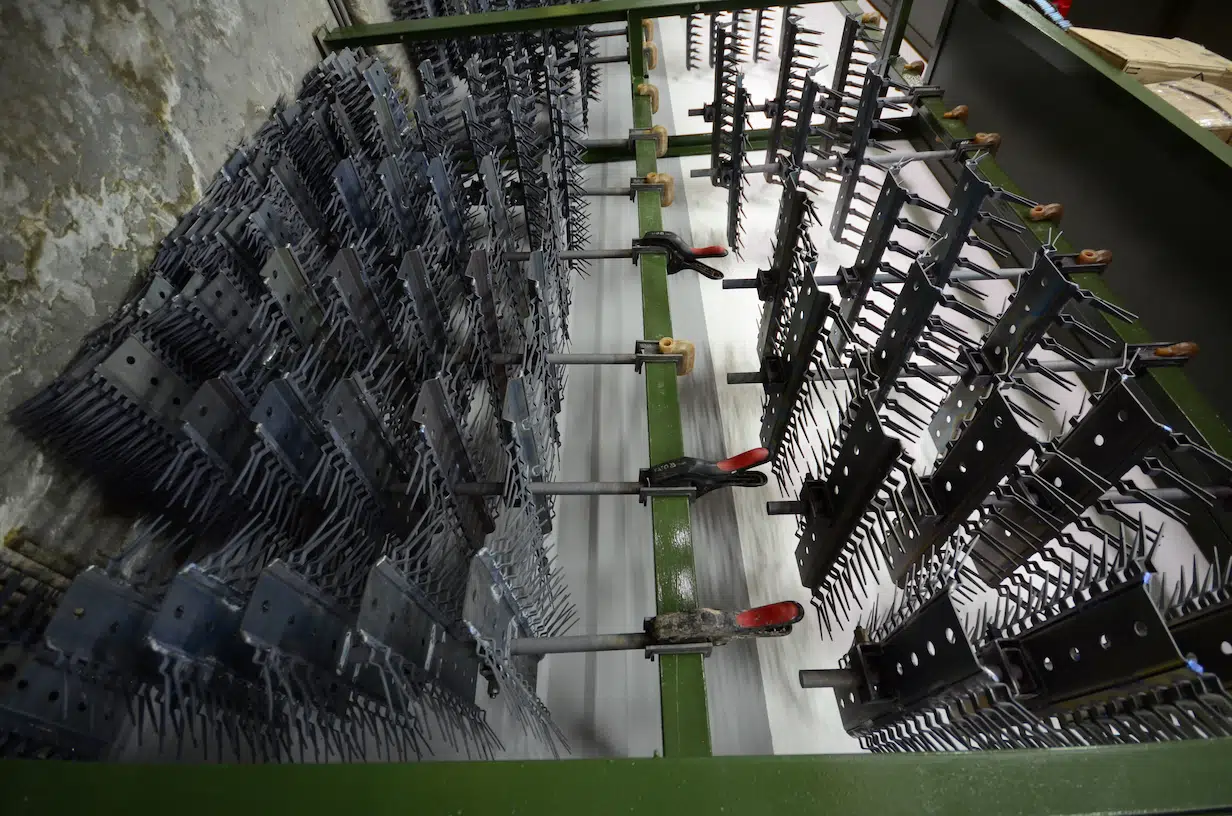
Anodized aluminum is used in mechanical engineering, instrumentation, and the production of body parts, profiles, and structural elements. For parts with increased wear resistance requirements, a hard anode is used.
The process ensures stable performance without significant dimensional changes, which is important for components with precise tolerances.
Putting into production
Anodizing starts after a technical assessment of the product. The dimensions, suspension method, anodizing type and layer requirements are checked. This allows us to immediately determine whether the part is suitable for the existing production baths and which mode will be used.
To get an answer about your product, just send us a drawing or specify the actual dimensions and the type of coating you need. After review, you will receive a confirmation of the feasibility of the product, a time frame and a commercial estimate.
The works we are most proud of The works we are most proud of
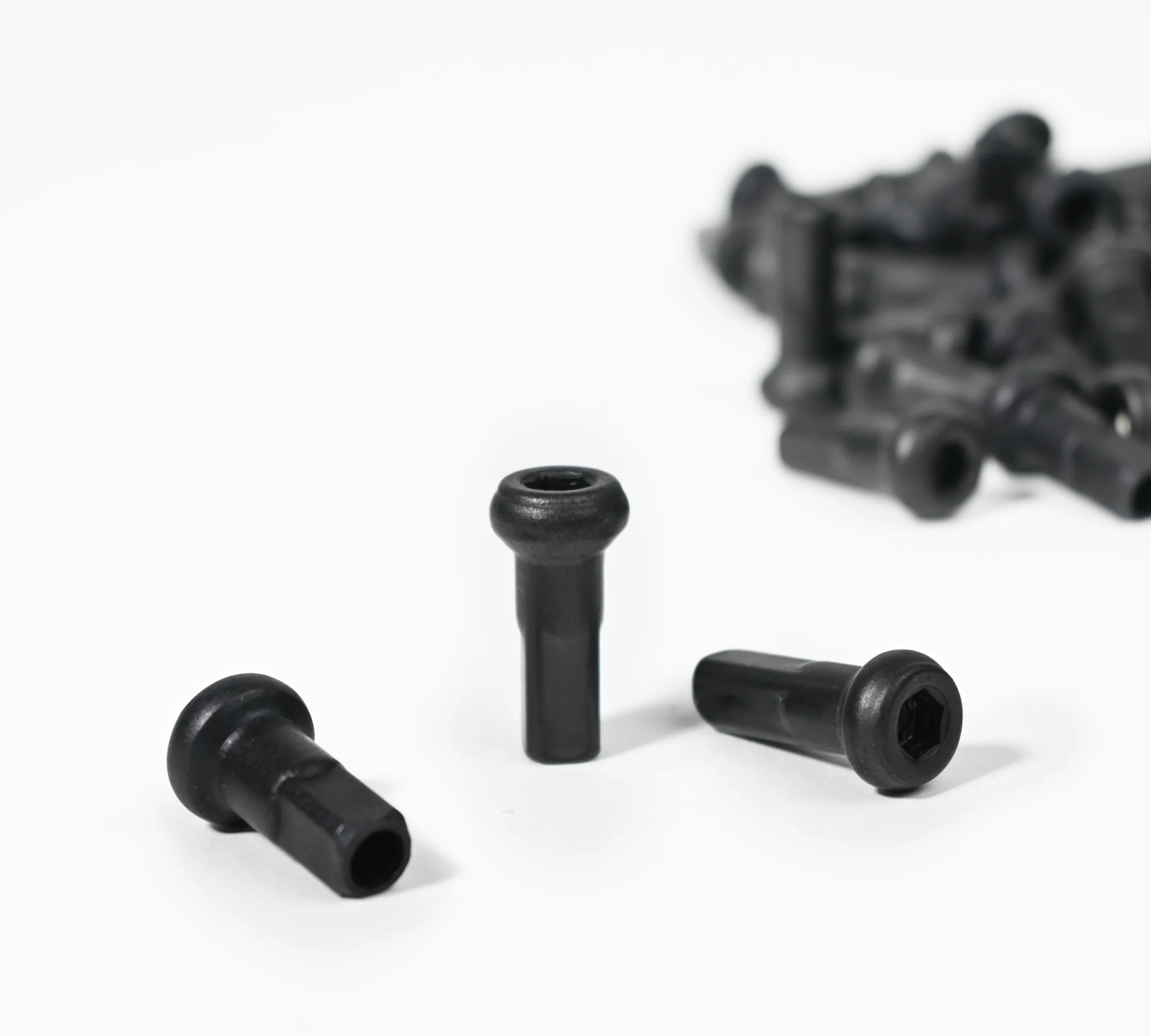
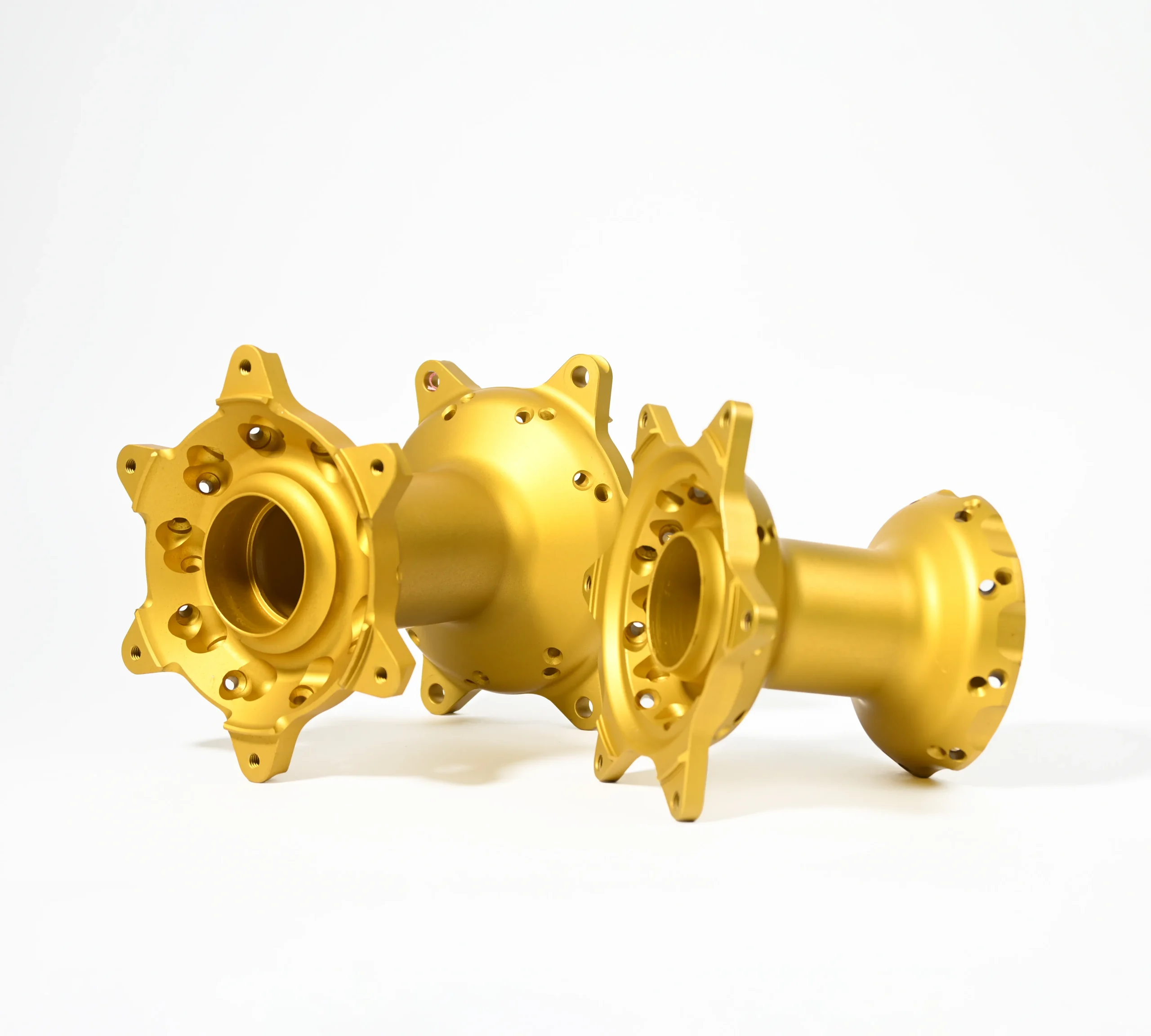
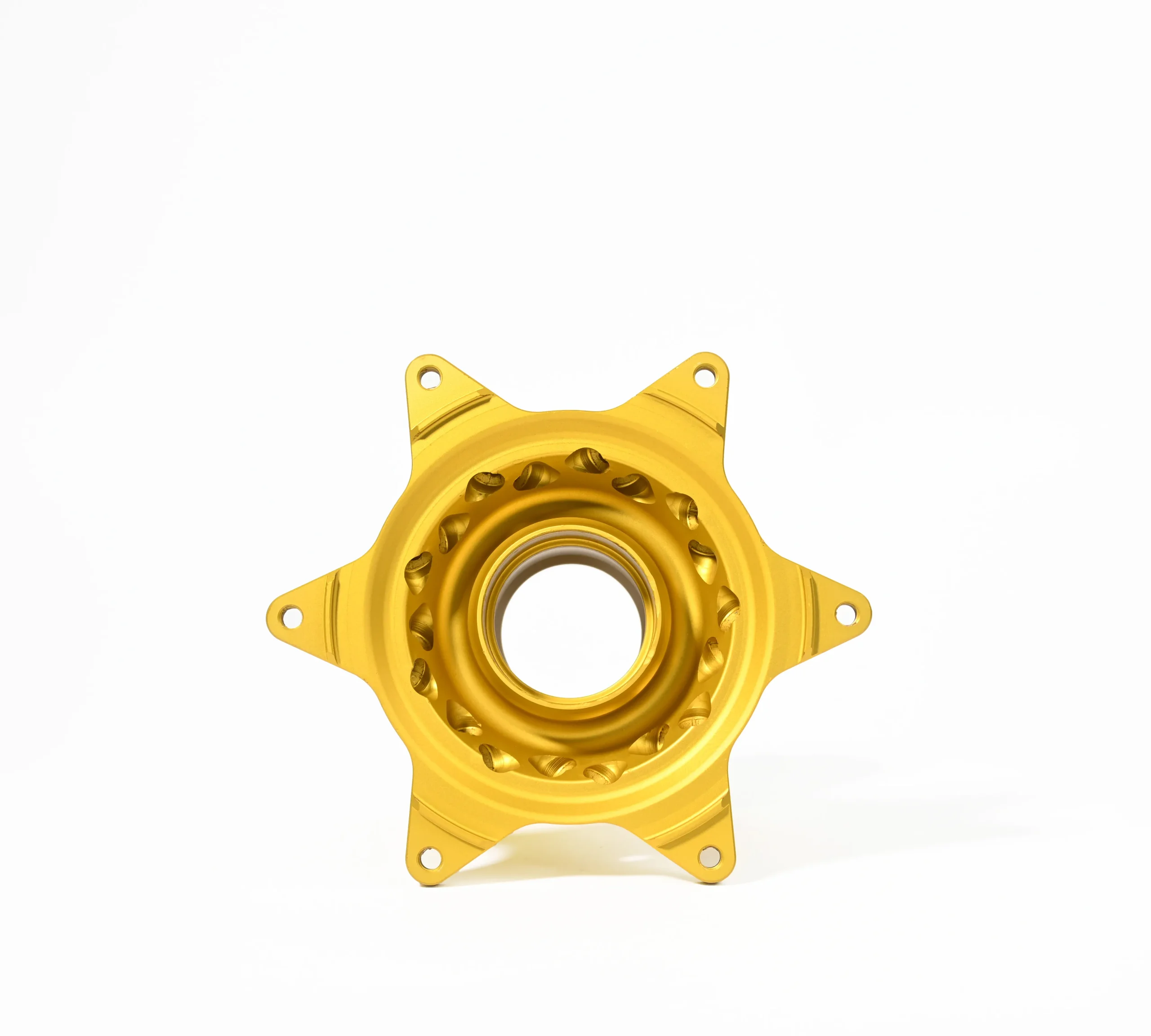

Passivation of metal
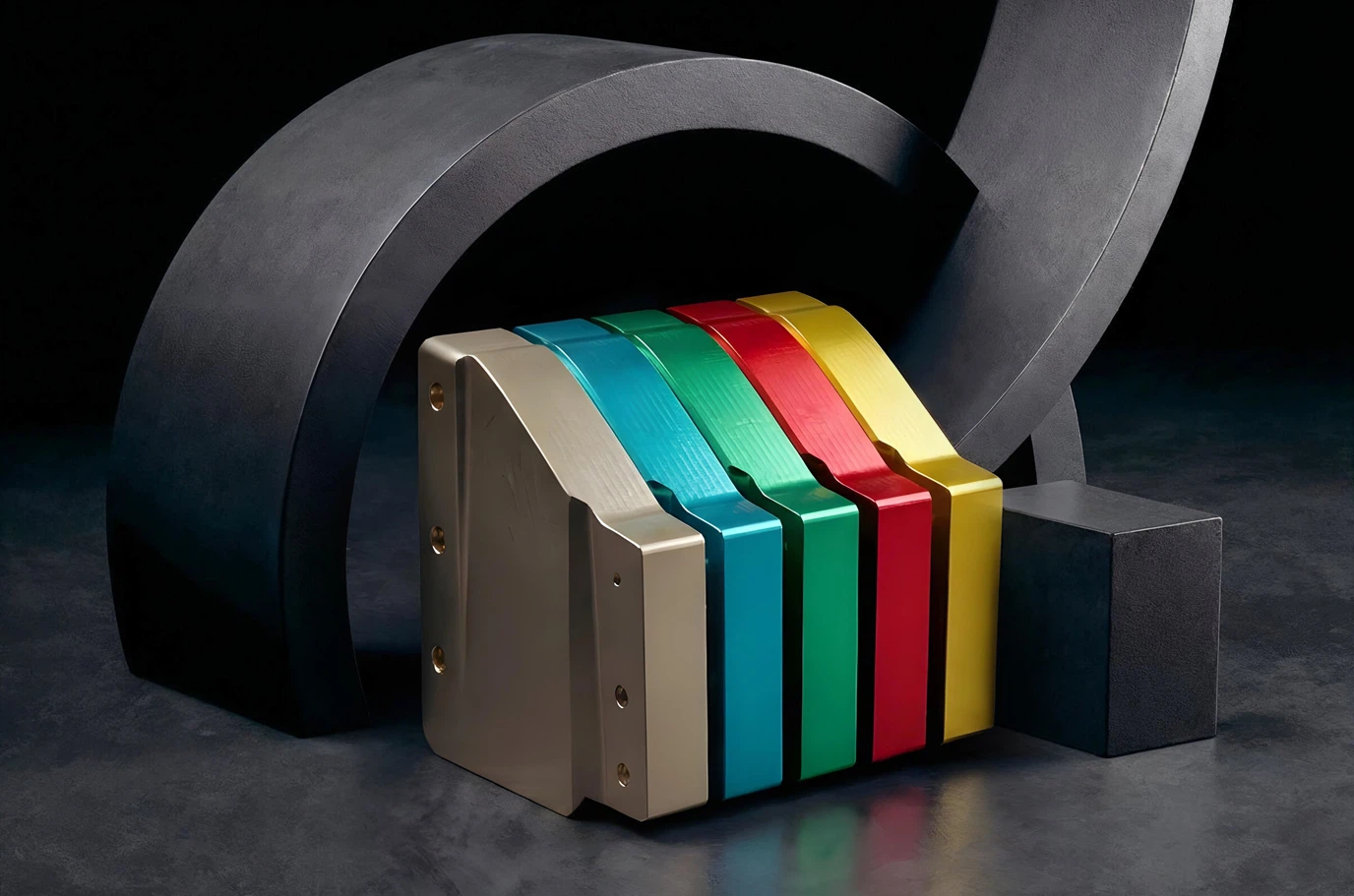
Color anodizing
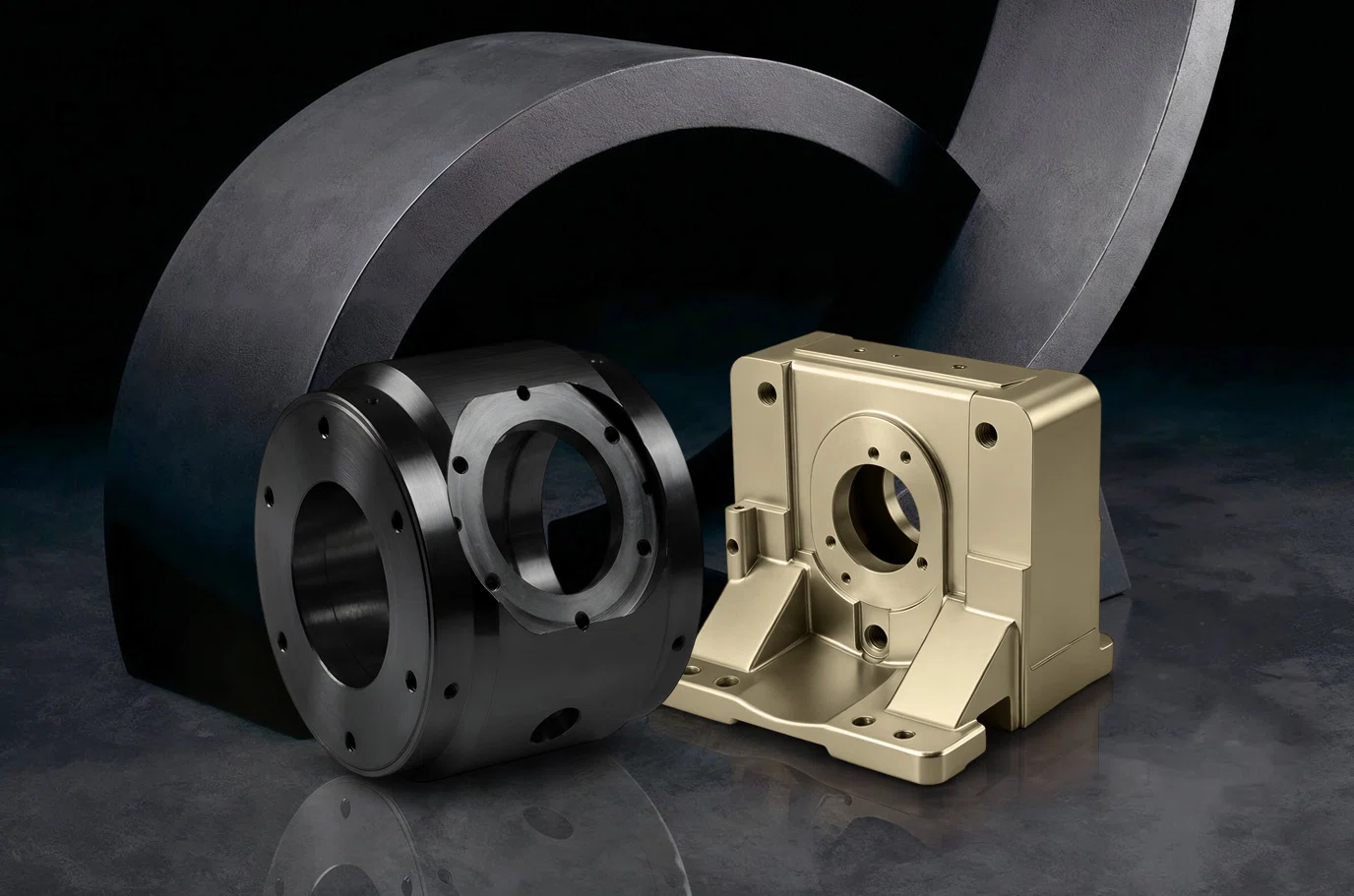
Hard anodizing
Aluminum Anodizing
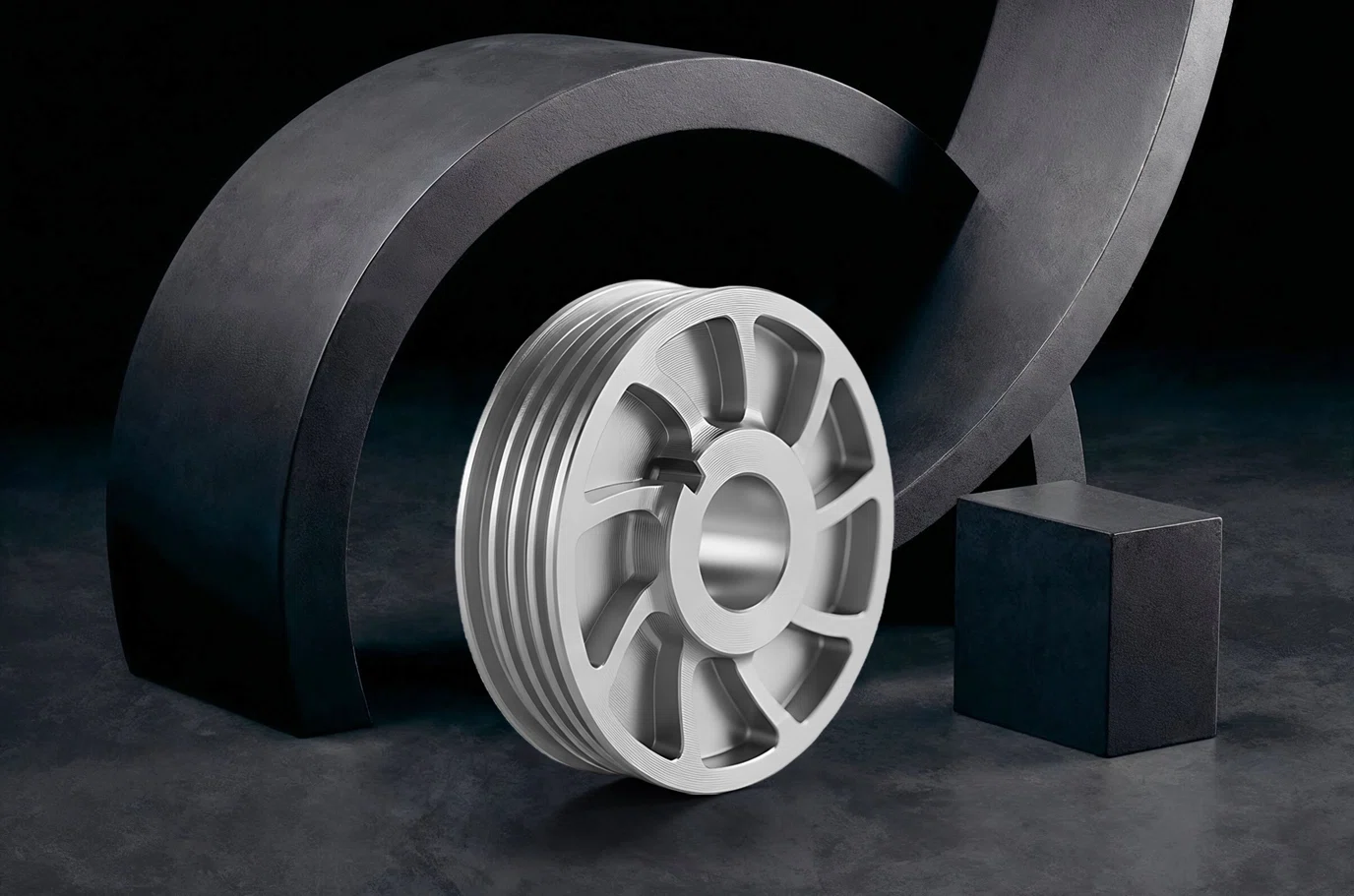
Colorless anodizing
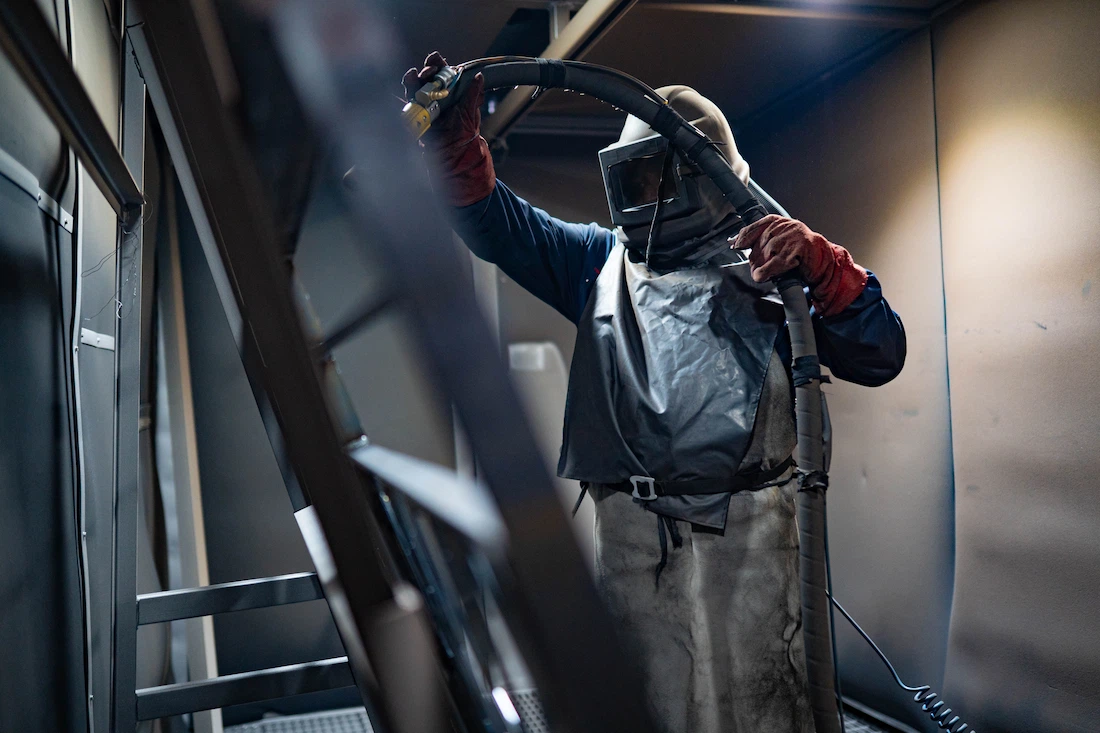
Sandblasting of metal
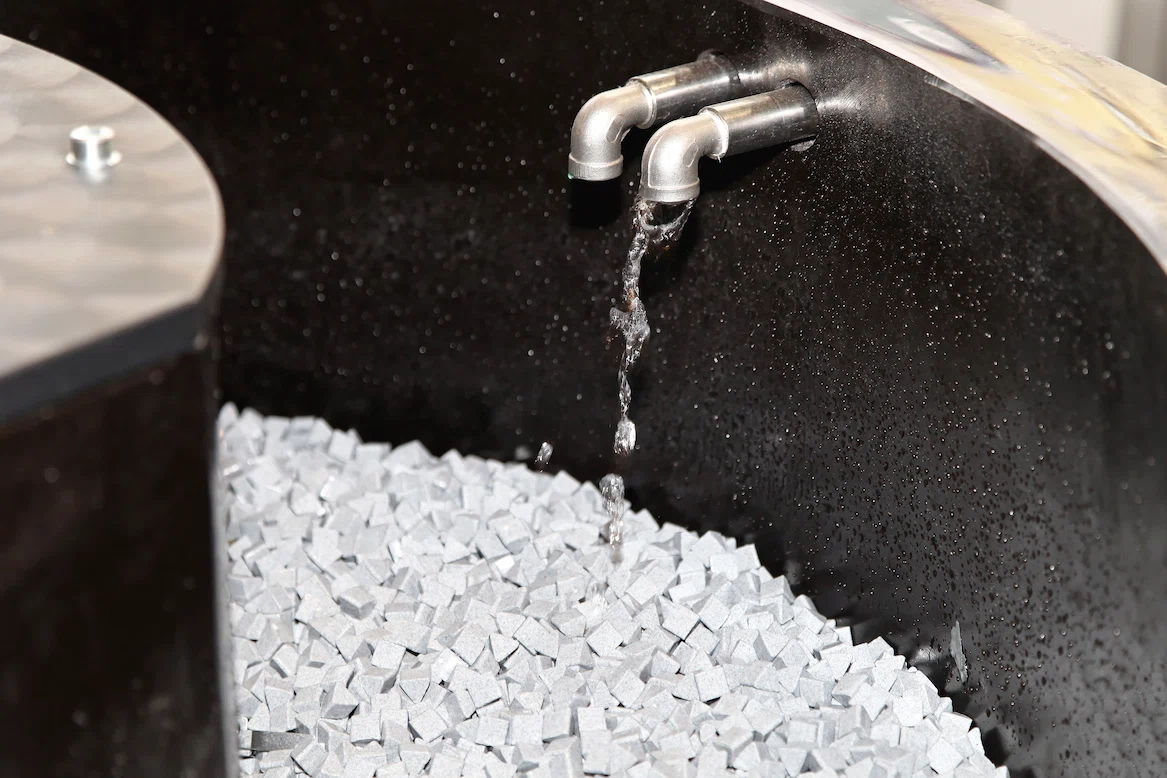
Vibrating shaker
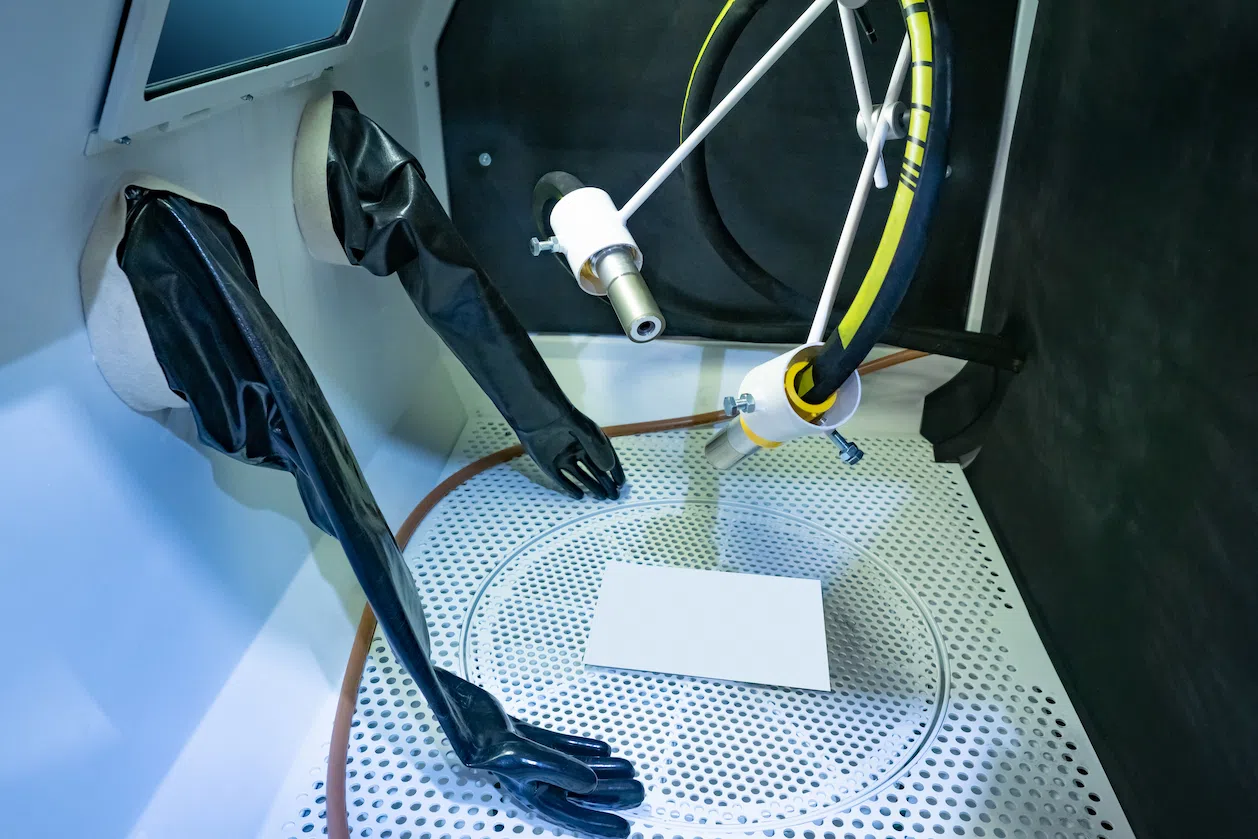
Glass blasting of metal
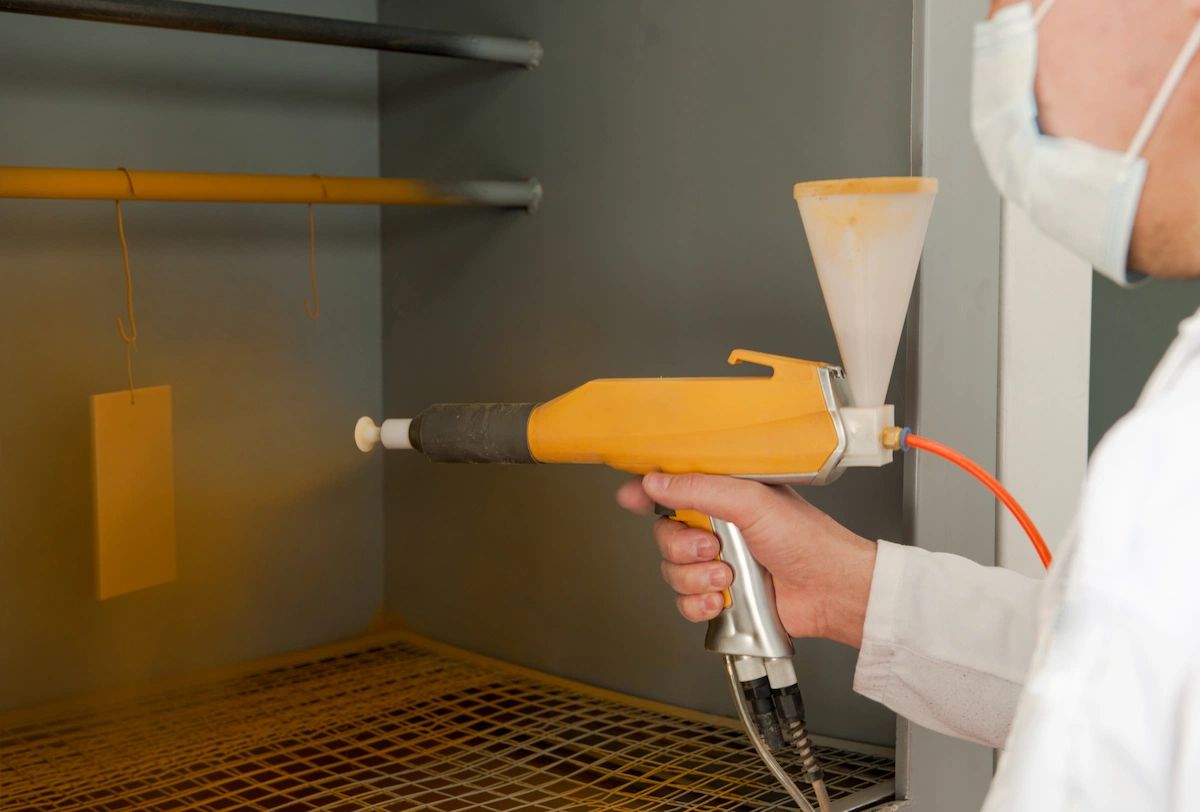
Cerakote (ceramic coloring)
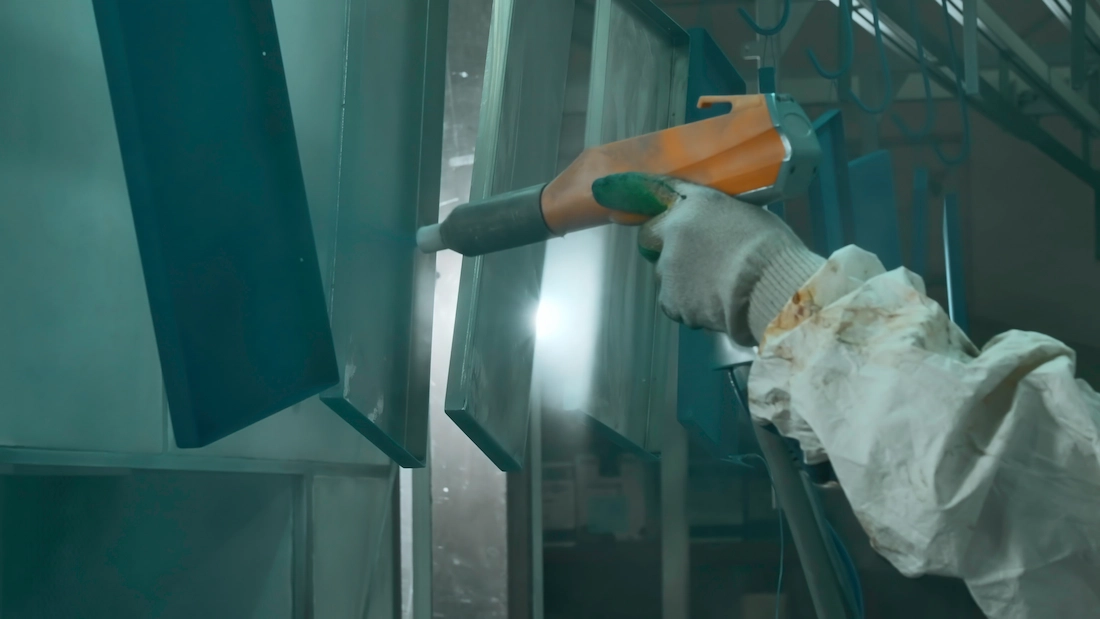
Powder coating
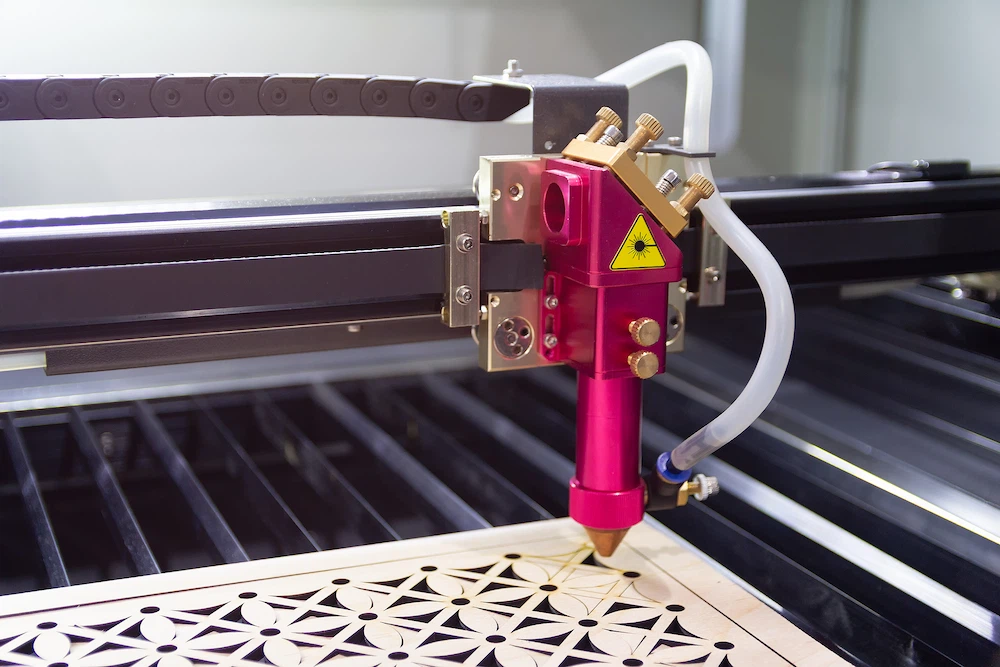
Laser cutting of non-metals
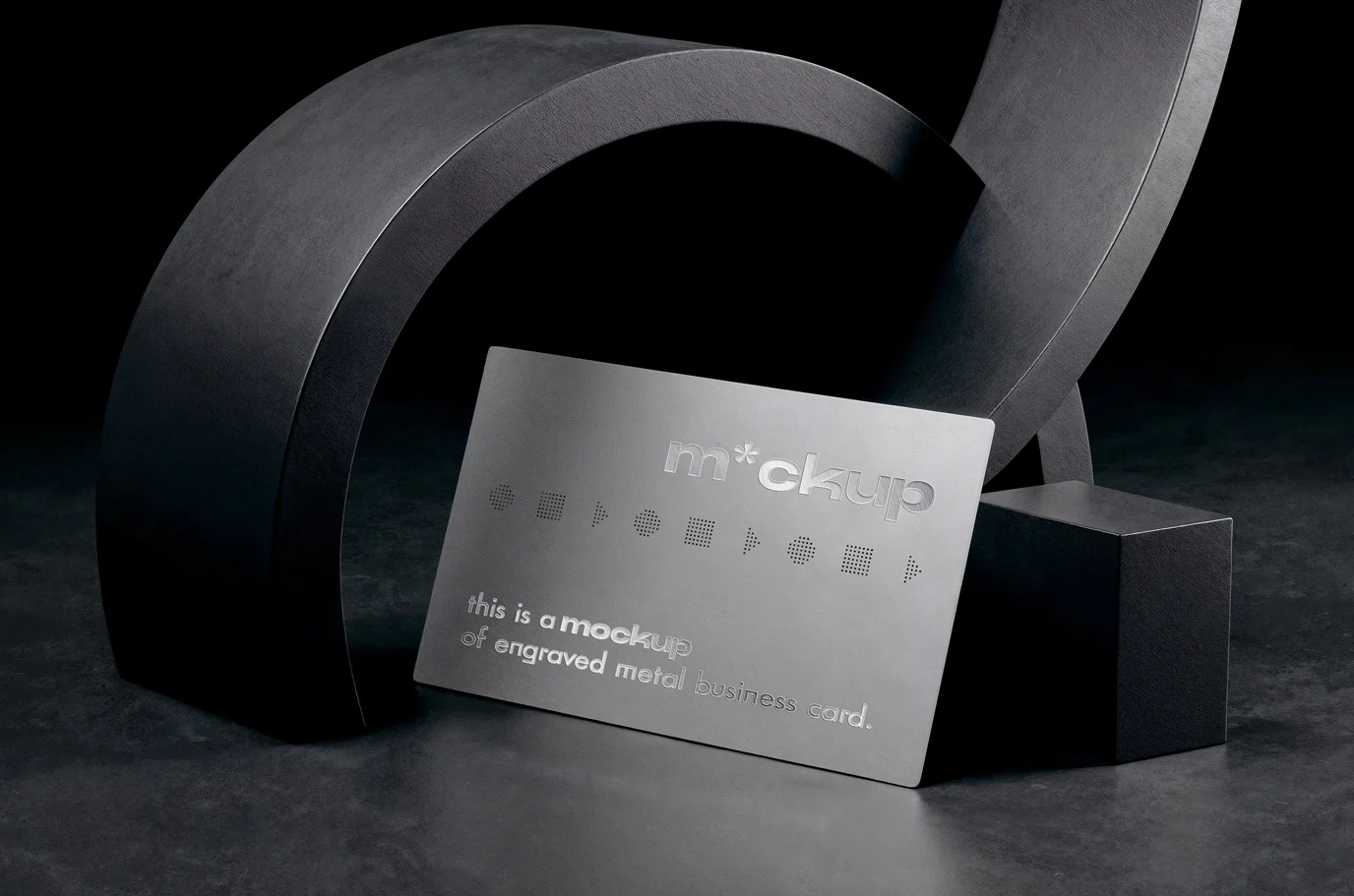
Laser marking of metals
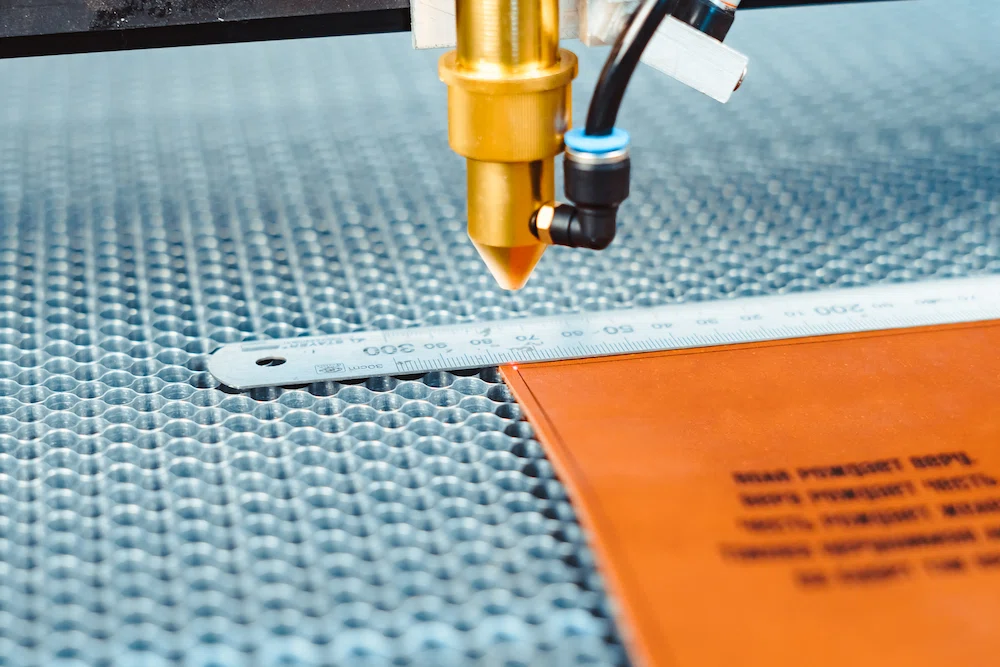
Laser engraving of non-metals
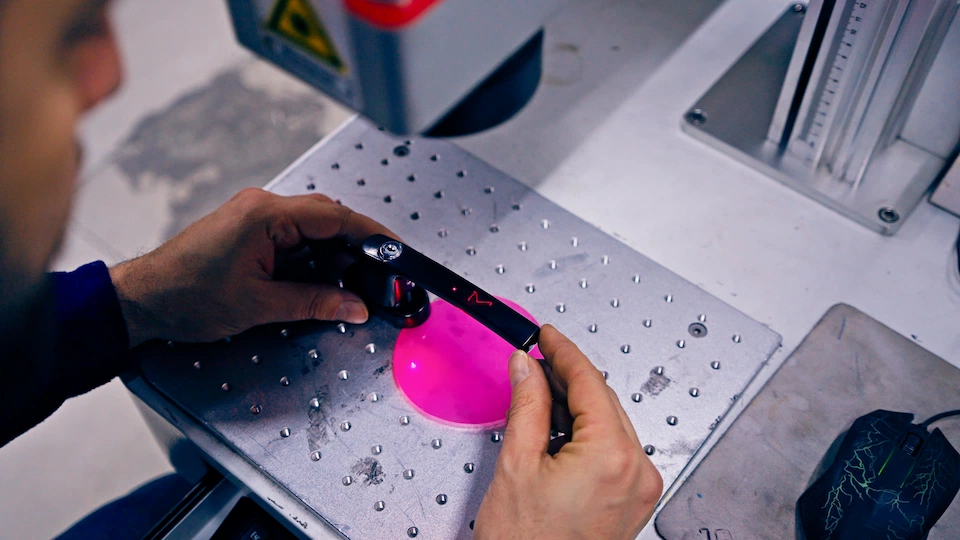
Laser engraving of metal