
Hard anodizing
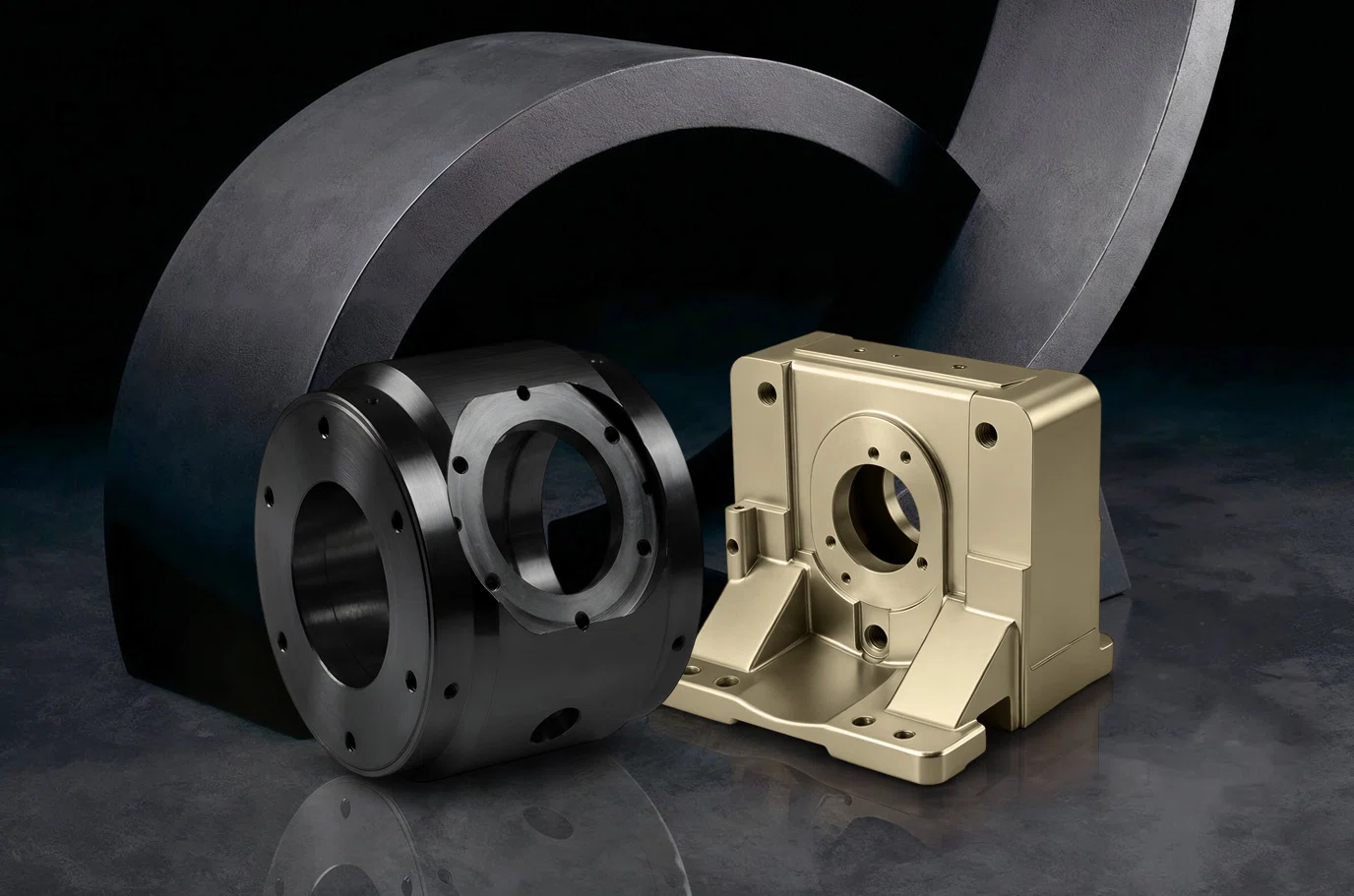

Technical characteristics
Technical characteristics
Type of coating
- Hard anodizing
Color: black

Characteristics:
- Maximum size: 2000x600x500 mm.
Control of coating thickness
- Material: Aluminum
- Aluminum series: 1000, 2000, 5000, 6000, 7000
Hard anodizing technology
There are parts that operate under constant load during operation. They come into contact with other surfaces, are subject to friction, vibration, and temperature changes. In such conditions, conventional anodizing is not always sufficient. That is why hard anodizing is used, a process that forms a much denser and stronger oxide layer.
Hard anodizing is used primarily for aluminum alloys when it is necessary to increase wear and corrosion resistance without changing the geometry of the product. The resulting coating becomes part of the metal and acts as an additional protective layer.
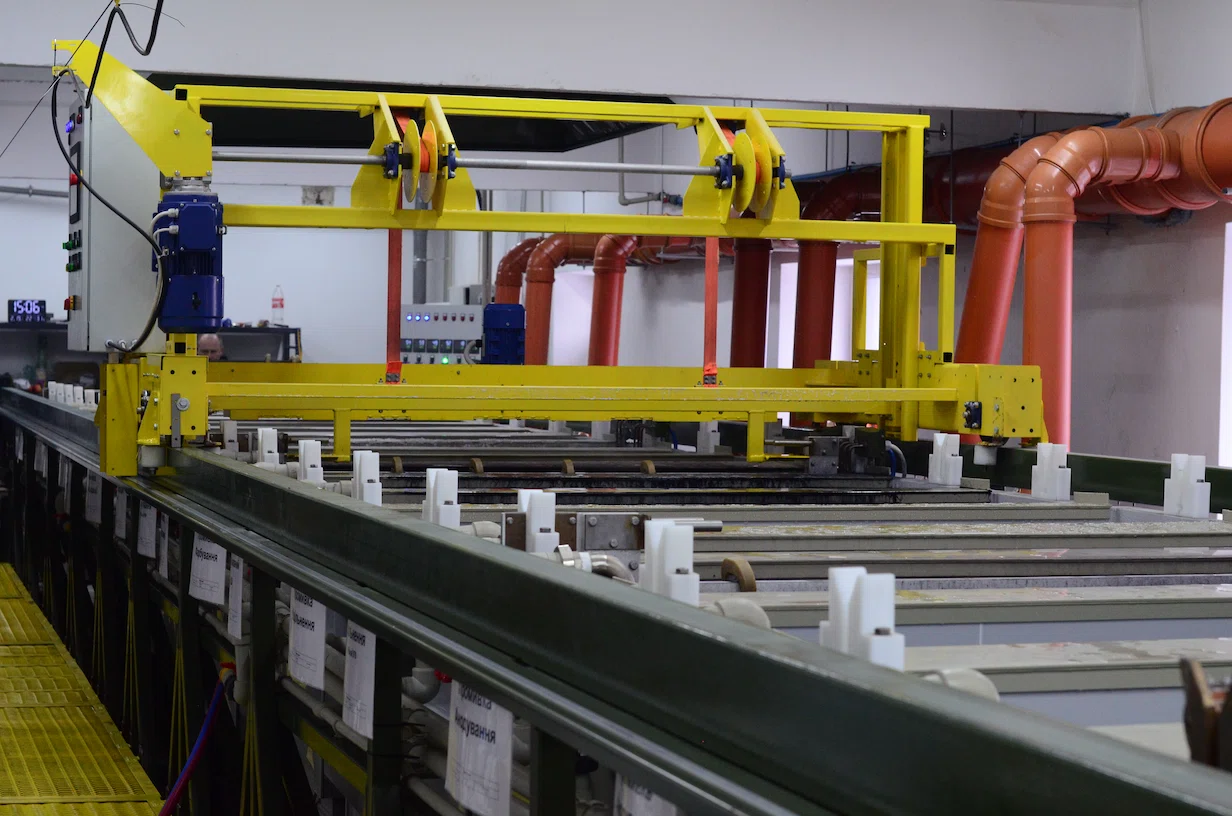
What is the difference between hard anodizing?
The main difference is the thickness and density of the oxide layer. In hard anodizing, it is formed deeper and has a higher hardness. This significantly reduces surface wear during mechanical contact.
This coating can withstand the load that is critical for standard anodizing. It performs better in conditions of high humidity, contact with aggressive environments, or prolonged friction.
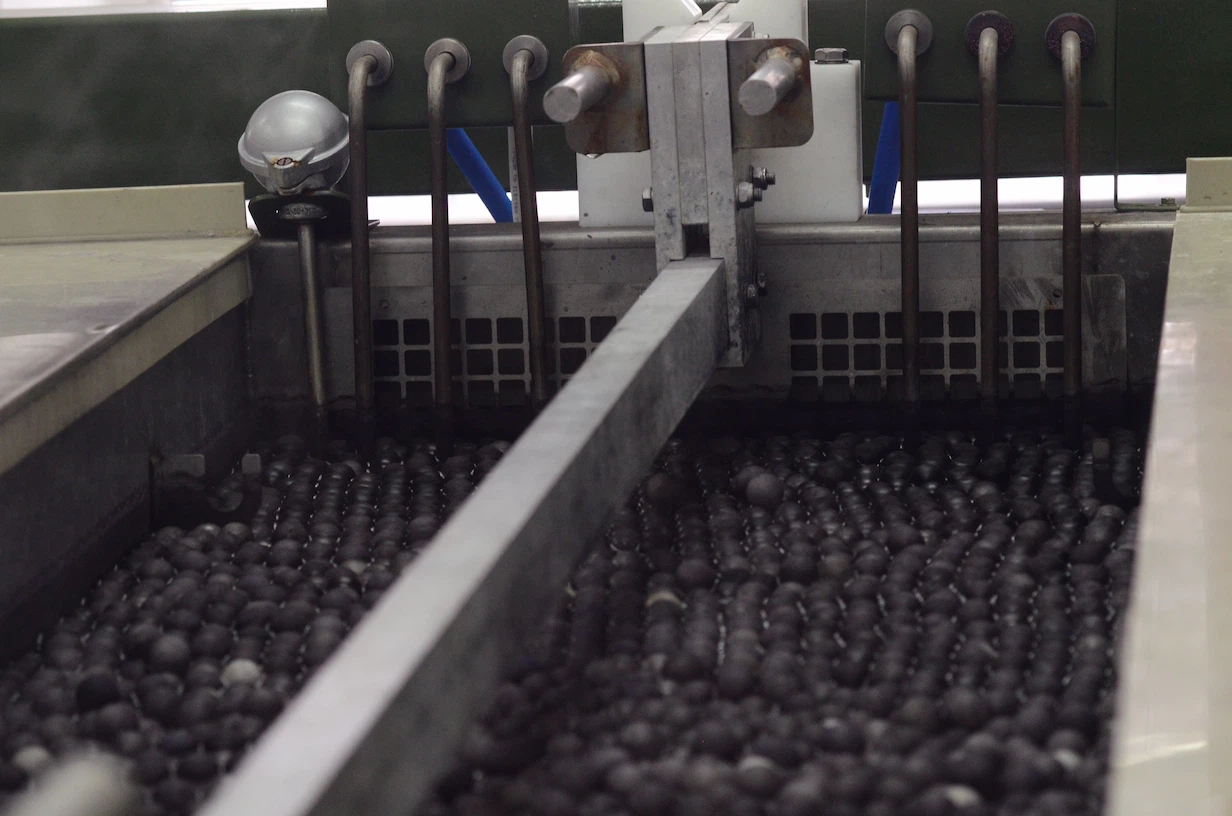
Where is hard anodizing used?
The technology is used for machine parts, housings, guides, brackets, equipment elements, and other components that need to operate stably for a long time.
Hard anodizing is especially relevant where additional coatings cannot be applied or where it is important to maintain the dimensional accuracy of the product. The oxide layer does not peel off because it is formed directly from the metal.
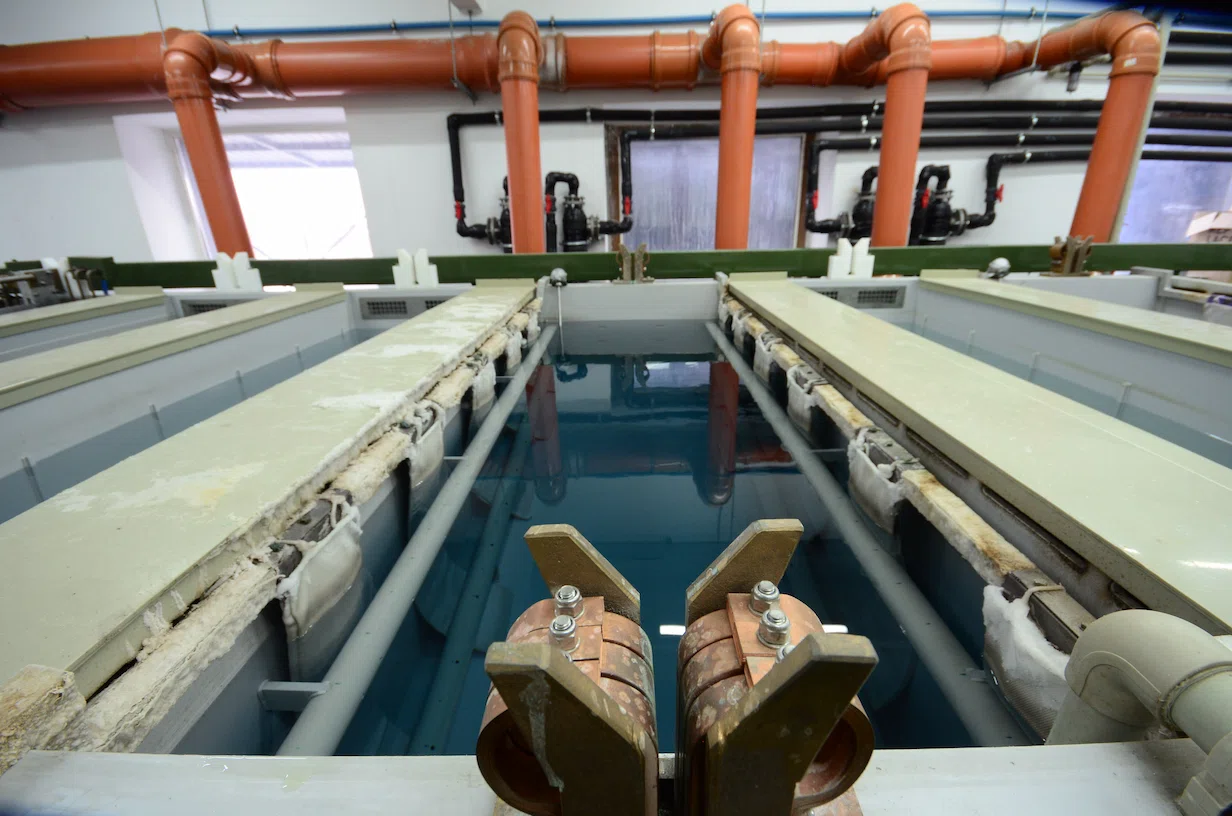
Technological features
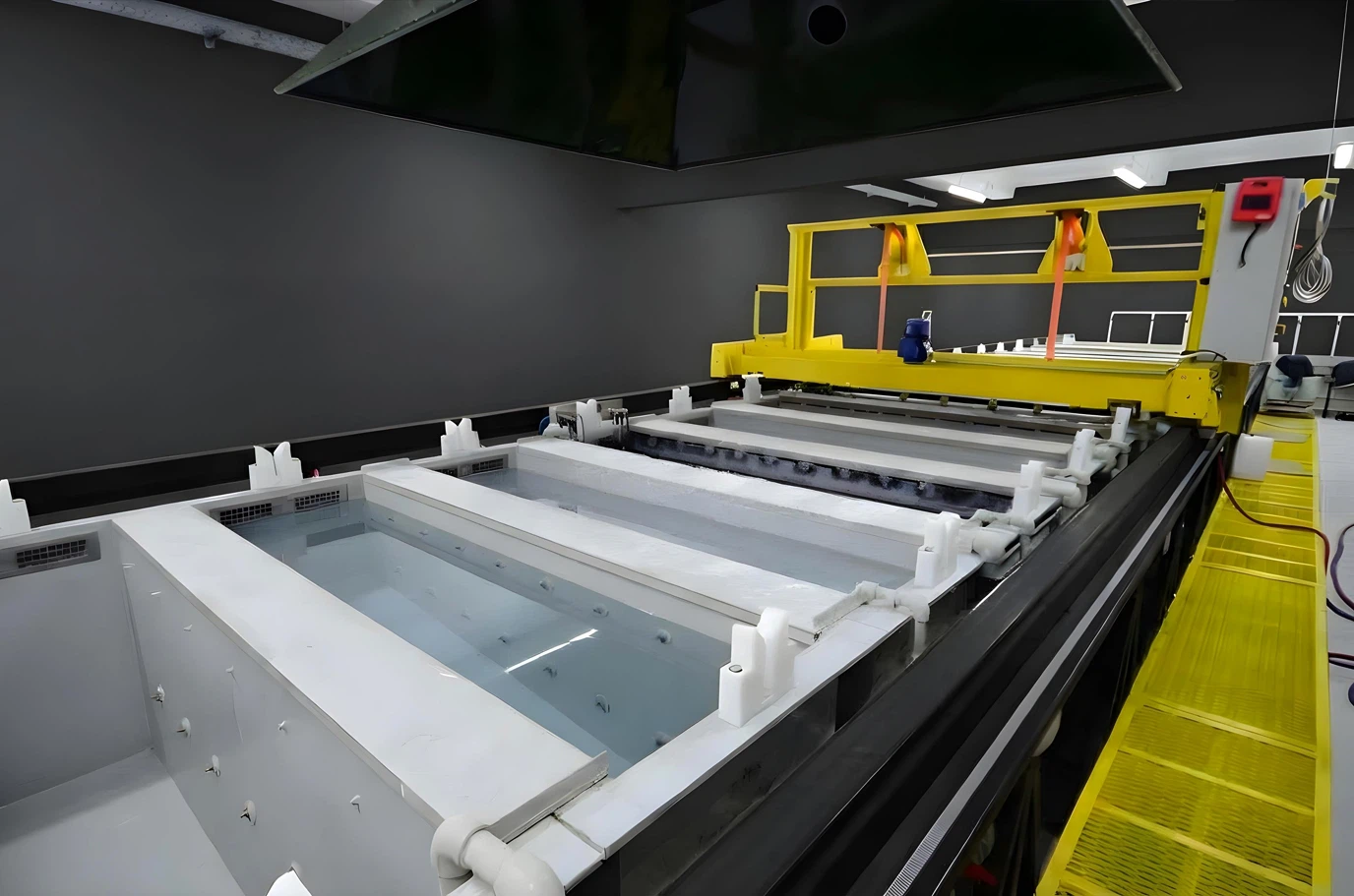
Before processing, the part is cleaned and prepared. Then, under controlled conditions, an oxide layer of the specified thickness is formed. The parameters of current, temperature and time are maintained precisely, because the structure of the coating depends on them.
After the process is completed, the quality of the work is checked. It is important that the hardness and uniformity meet the technical requirements of the product.
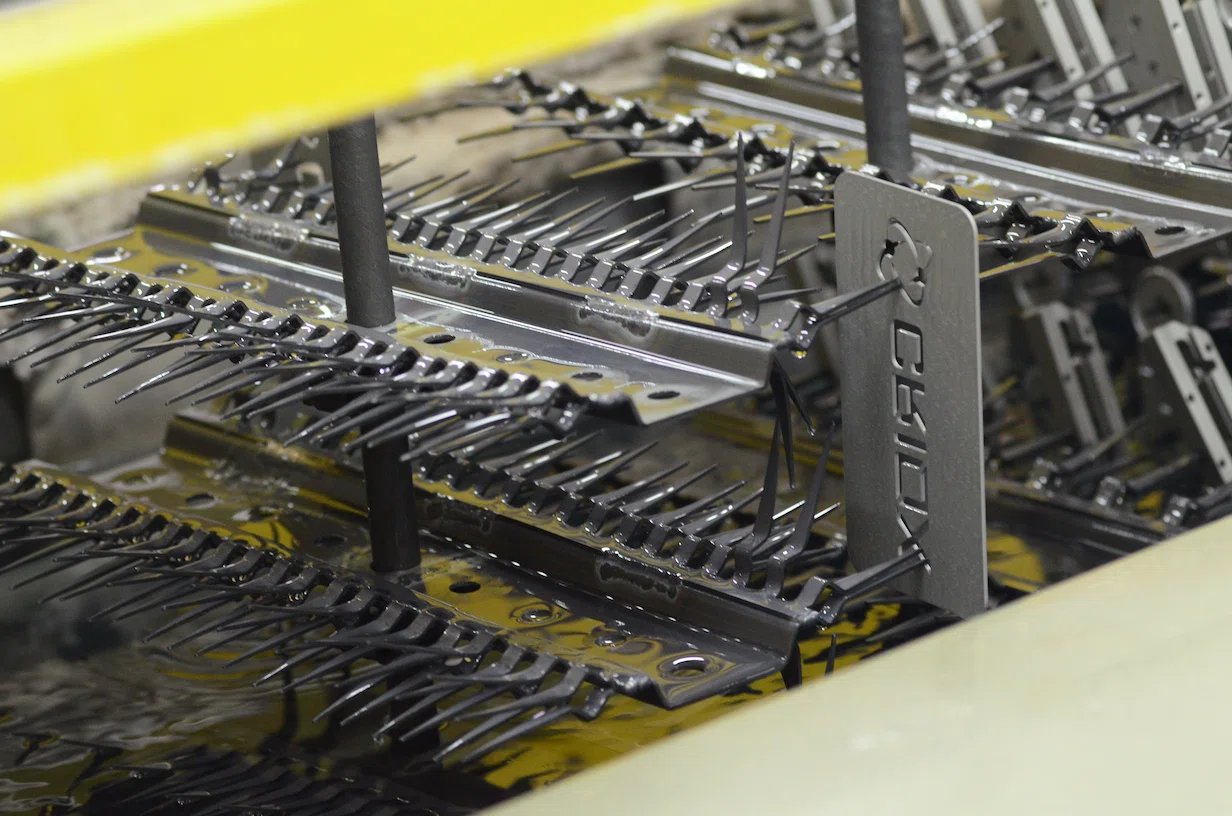
Approach to hard anodizing
The processing mode is determined not formally, but based on the conditions in which the part will operate. The layer thickness, current and temperature parameters are selected for a specific load, not according to a standard scheme.
If you need to obtain a wear-resistant coating with predictable characteristics, provide the technical data of the product. After the analysis, a processing option will be offered with a time and budget estimate.
The works we are most proud of The works we are most proud of
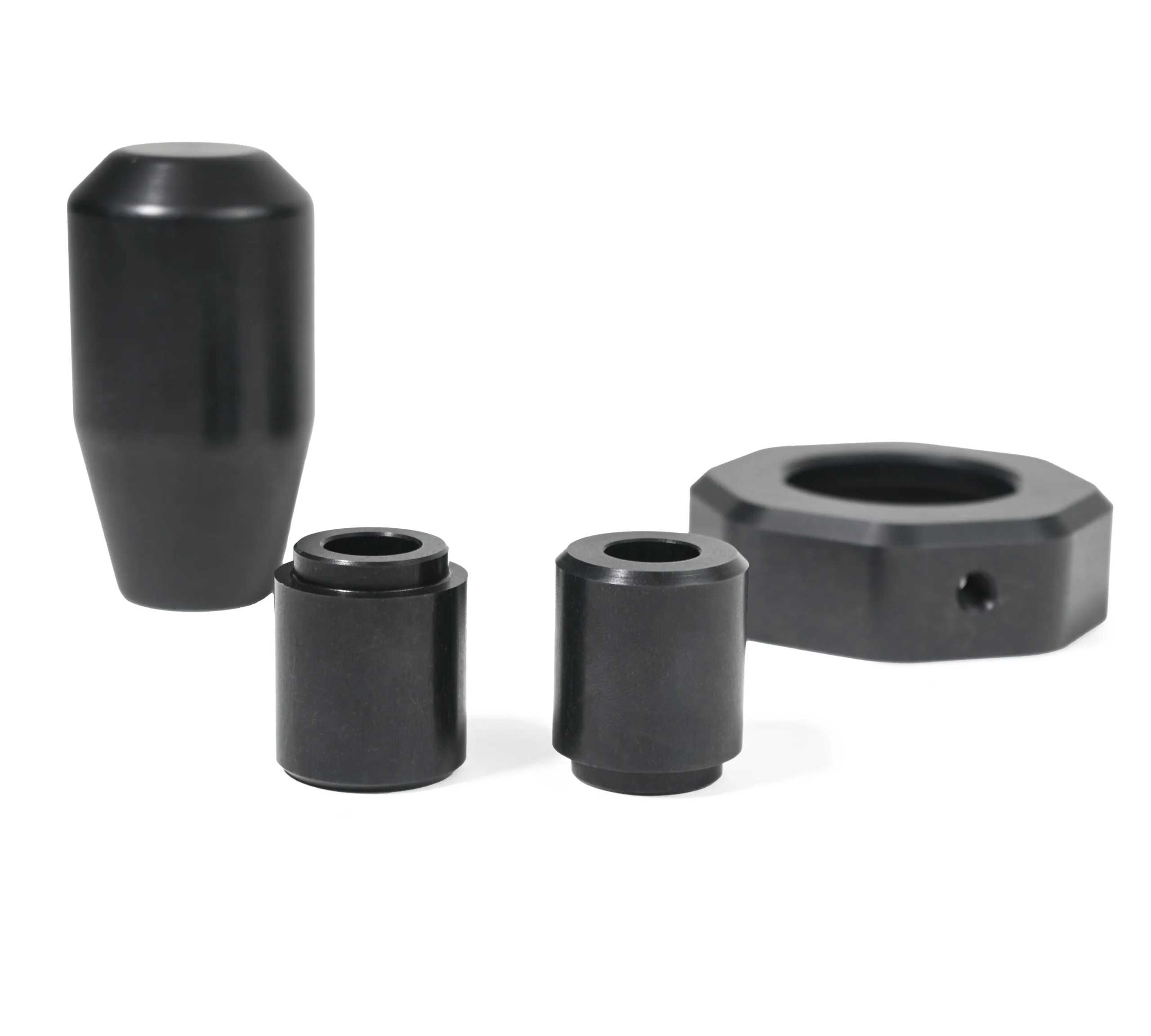
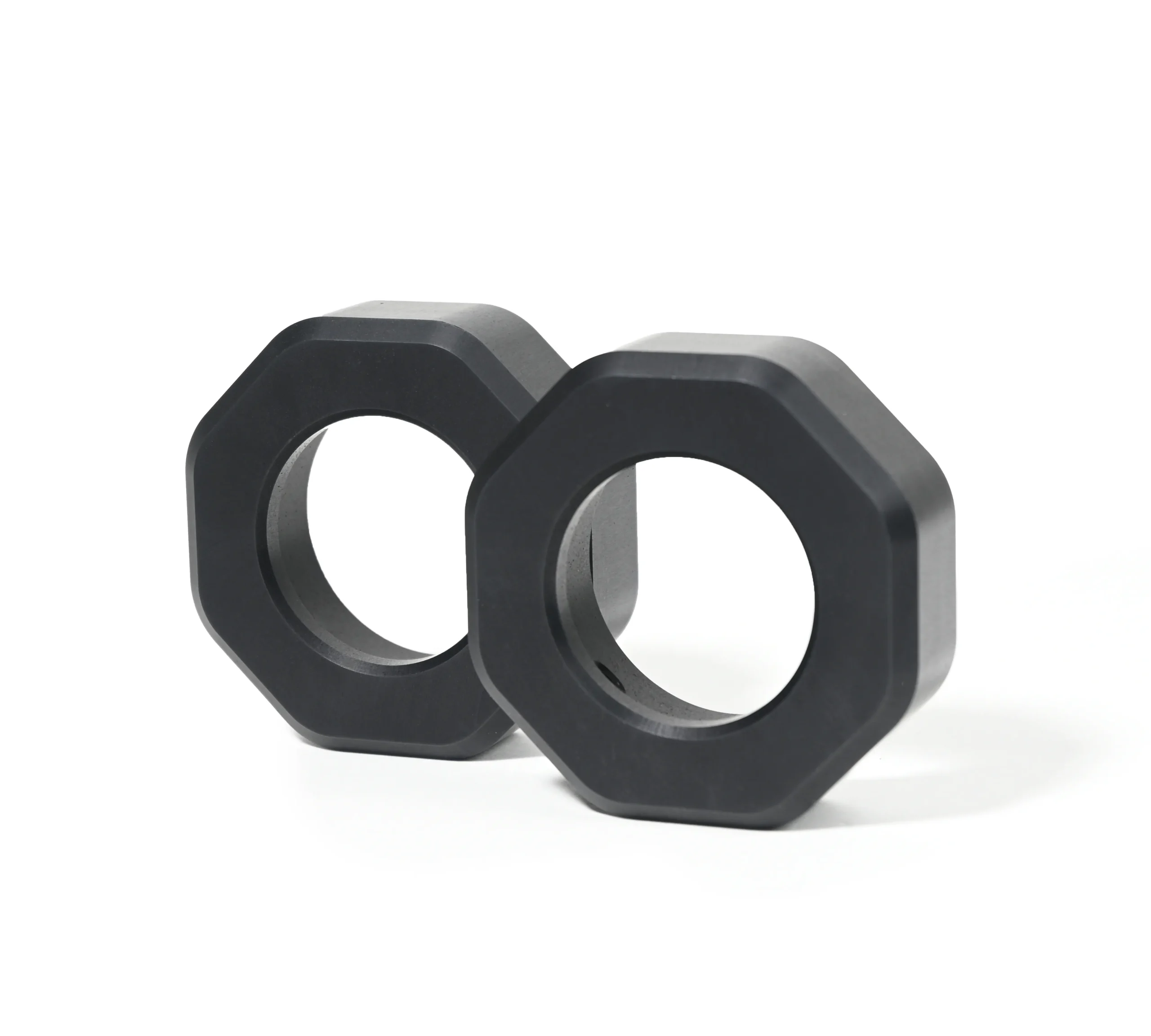
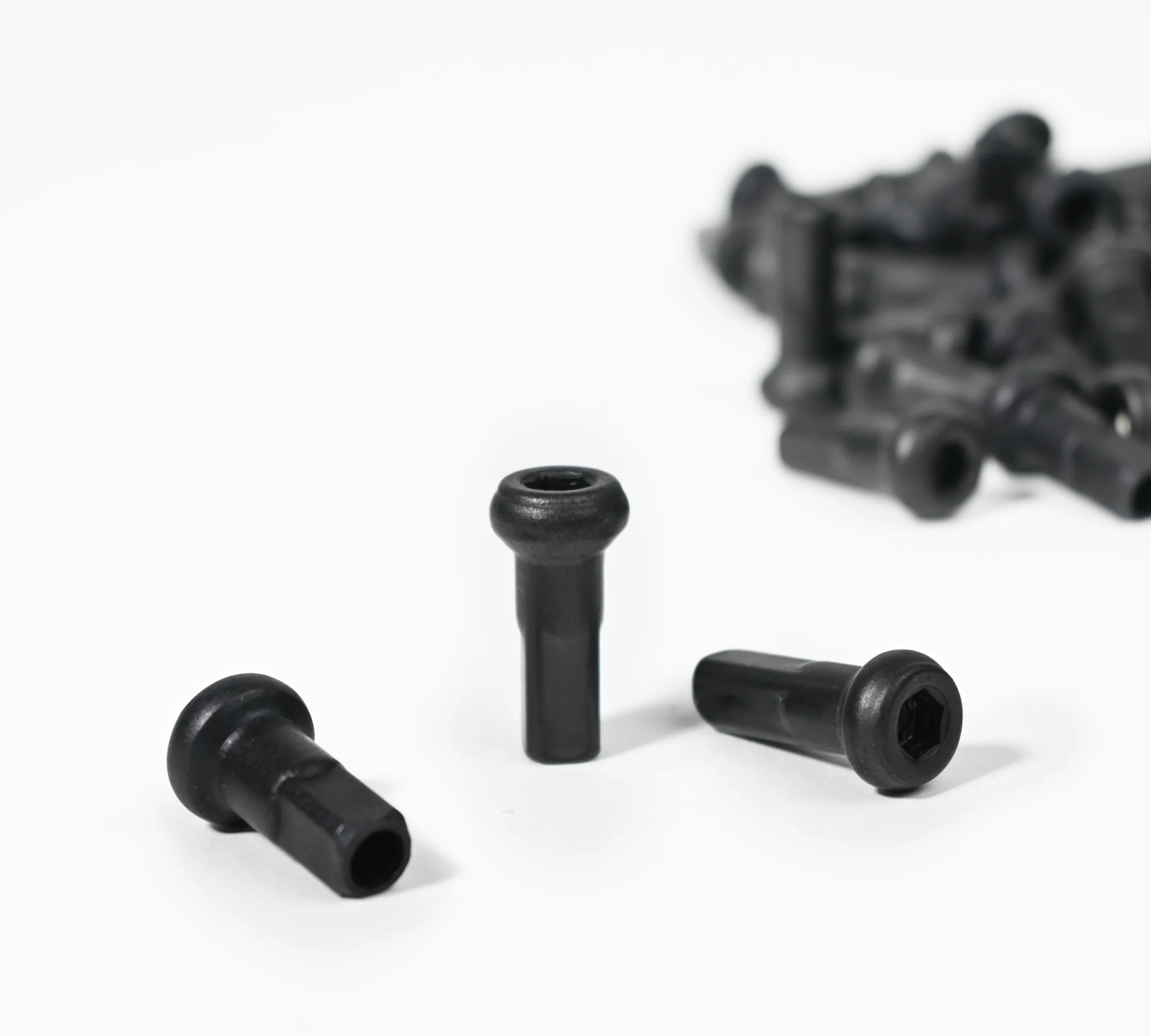
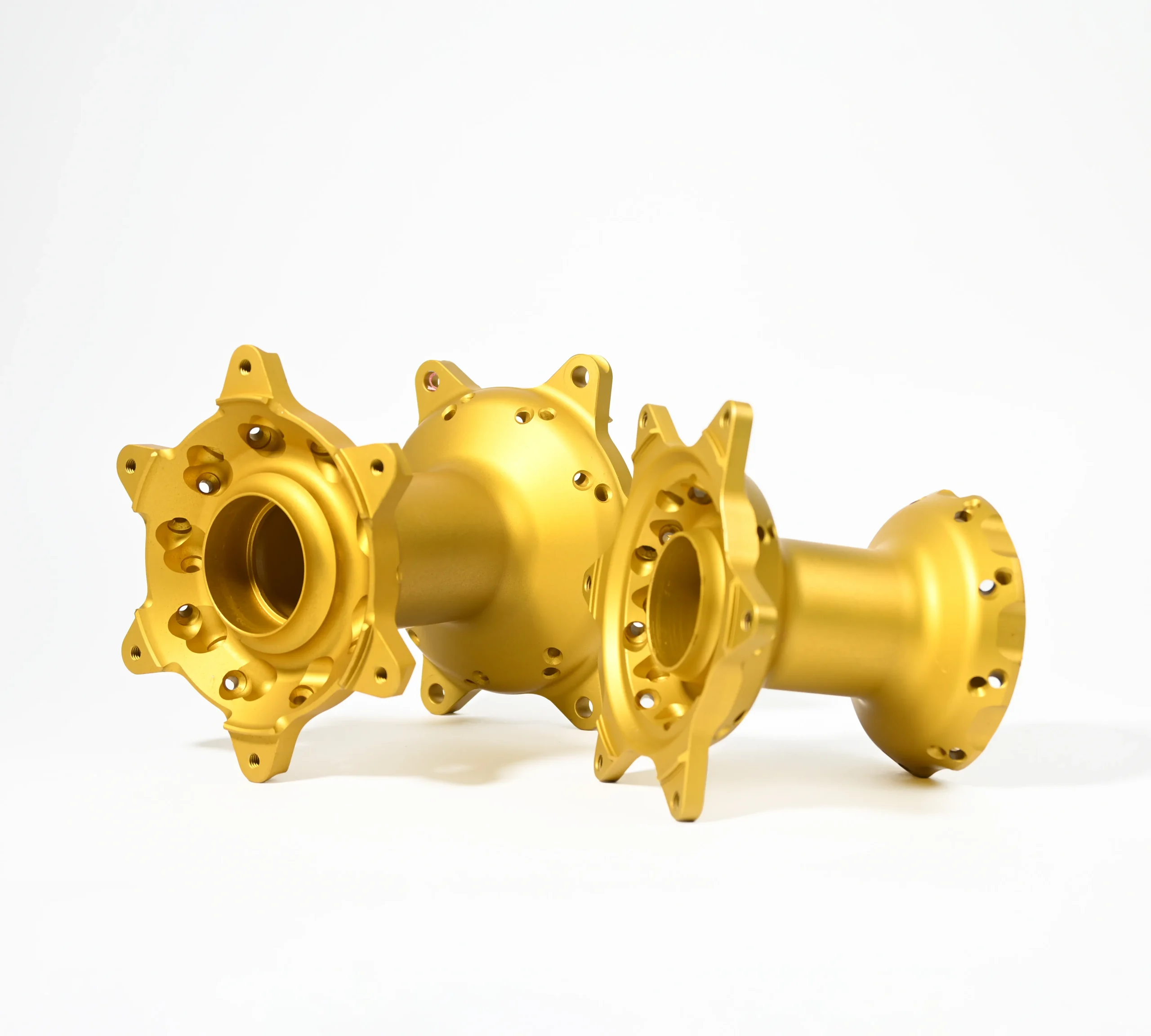
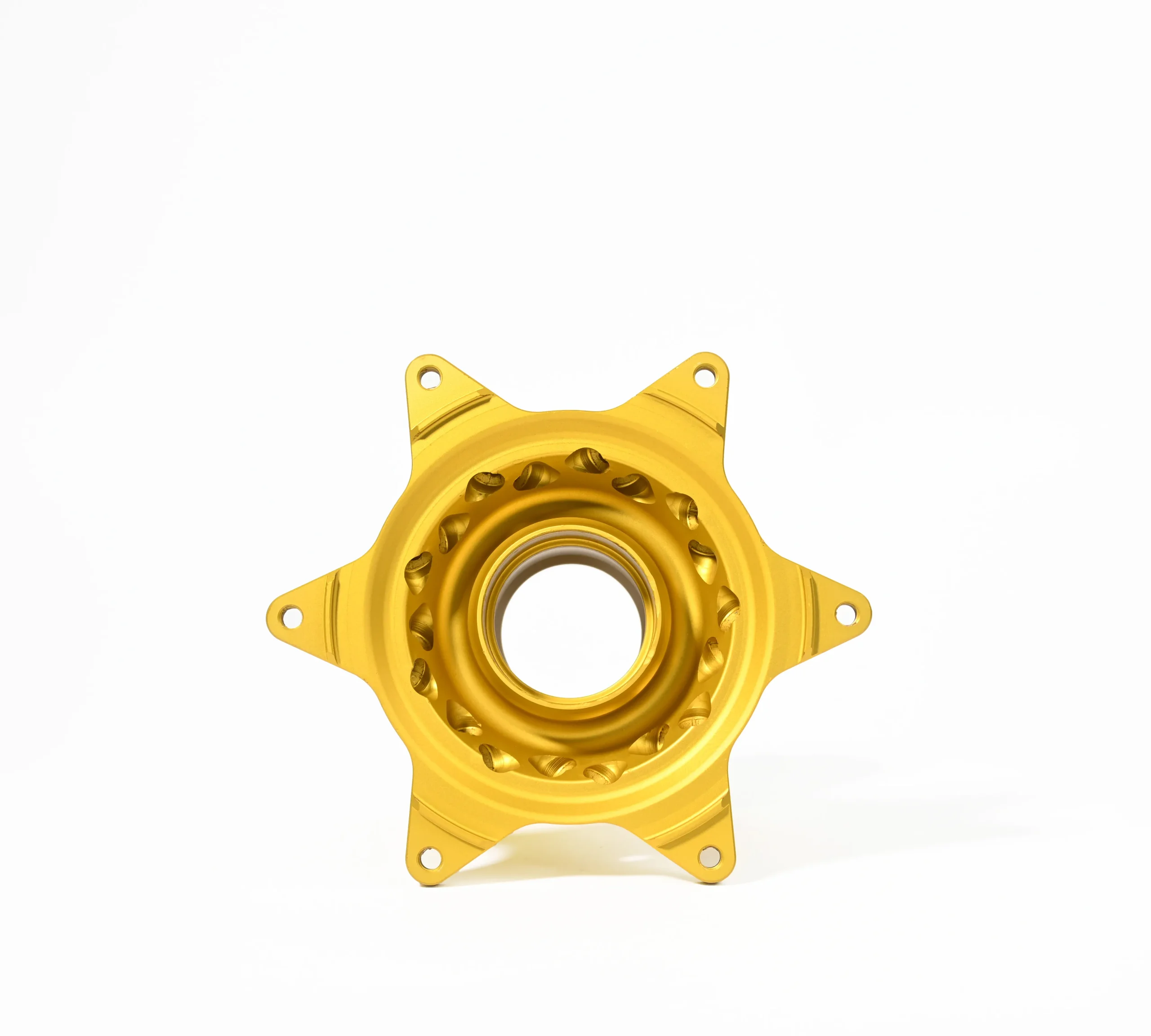

Passivation of metal
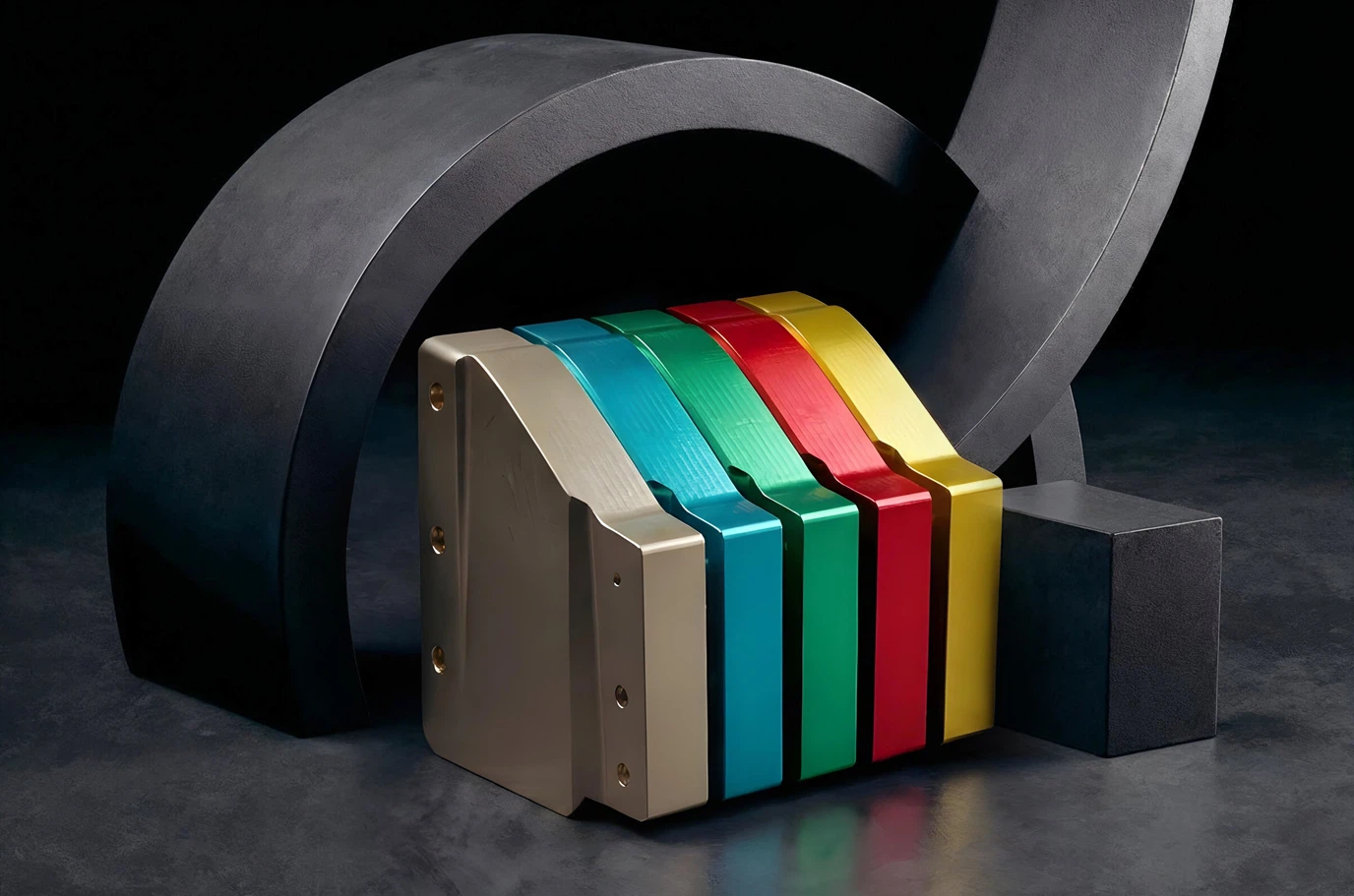
Color anodizing
Hard anodizing
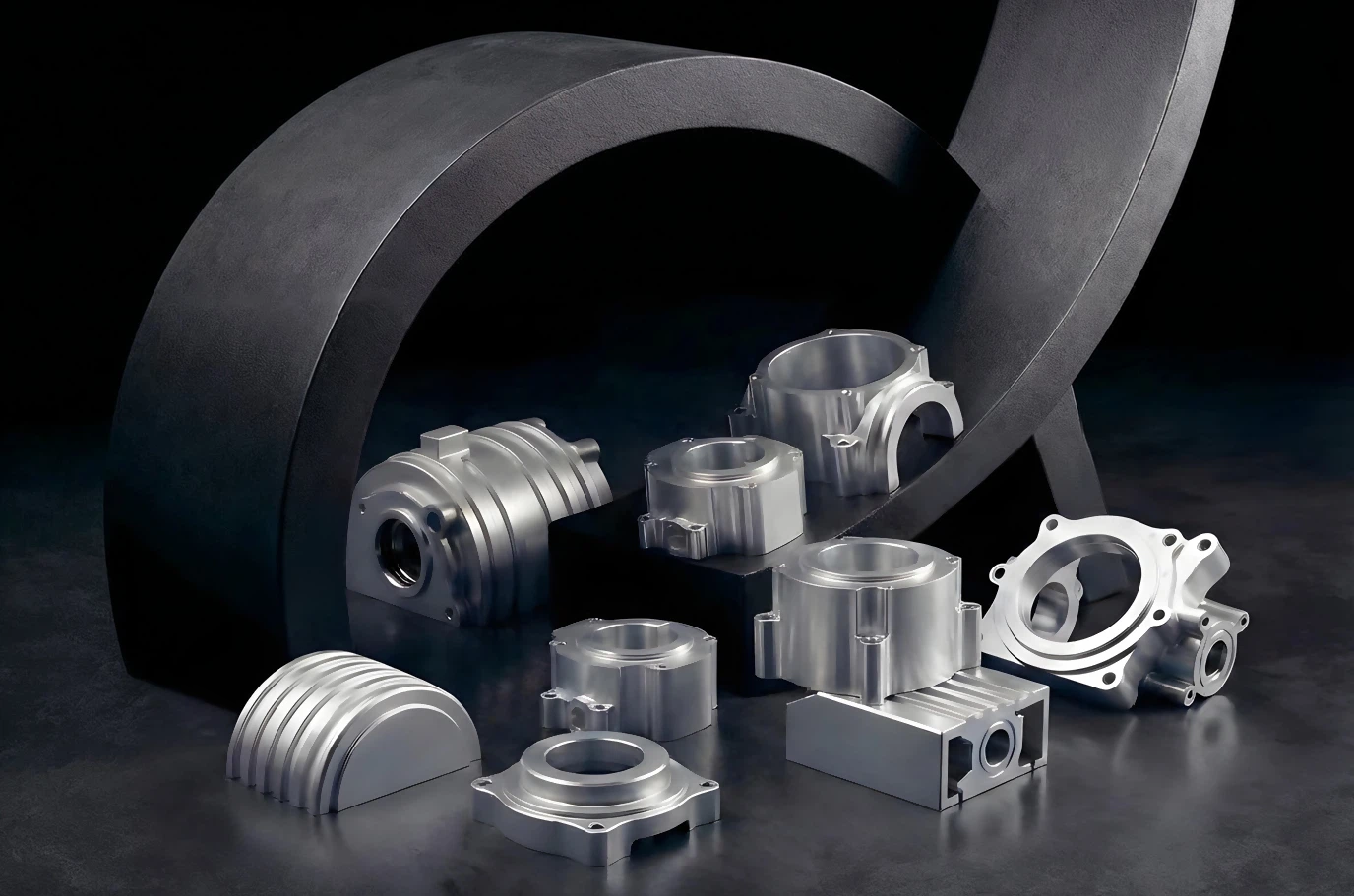
Aluminum Anodizing
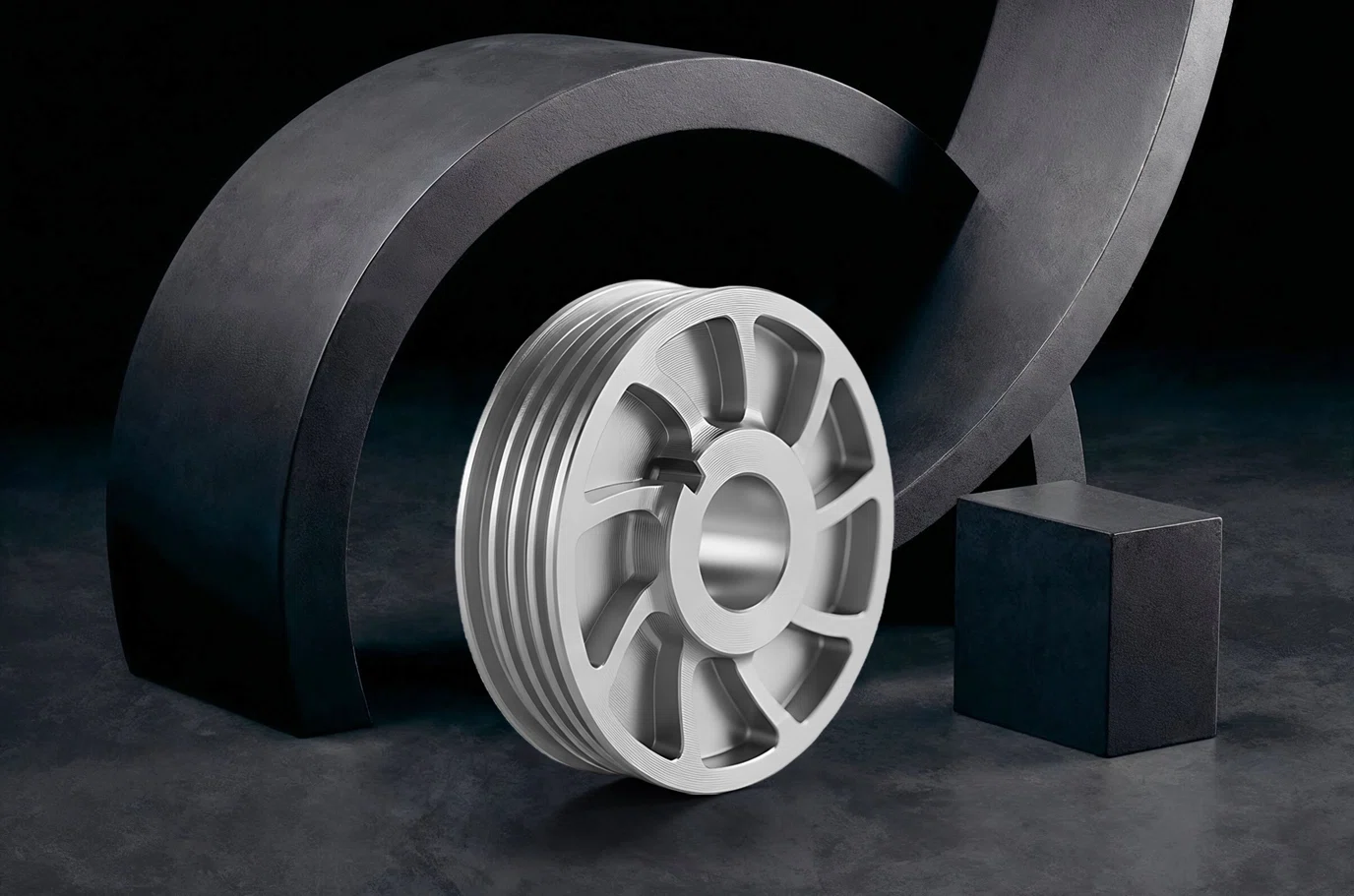
Colorless anodizing
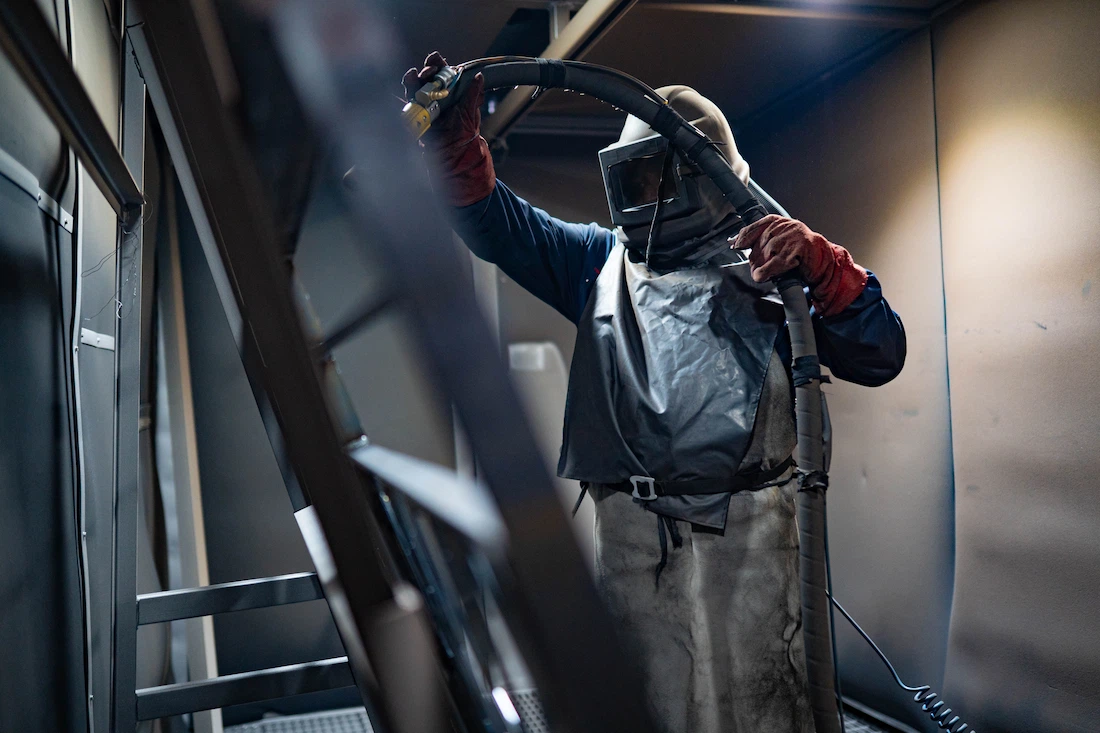
Sandblasting of metal
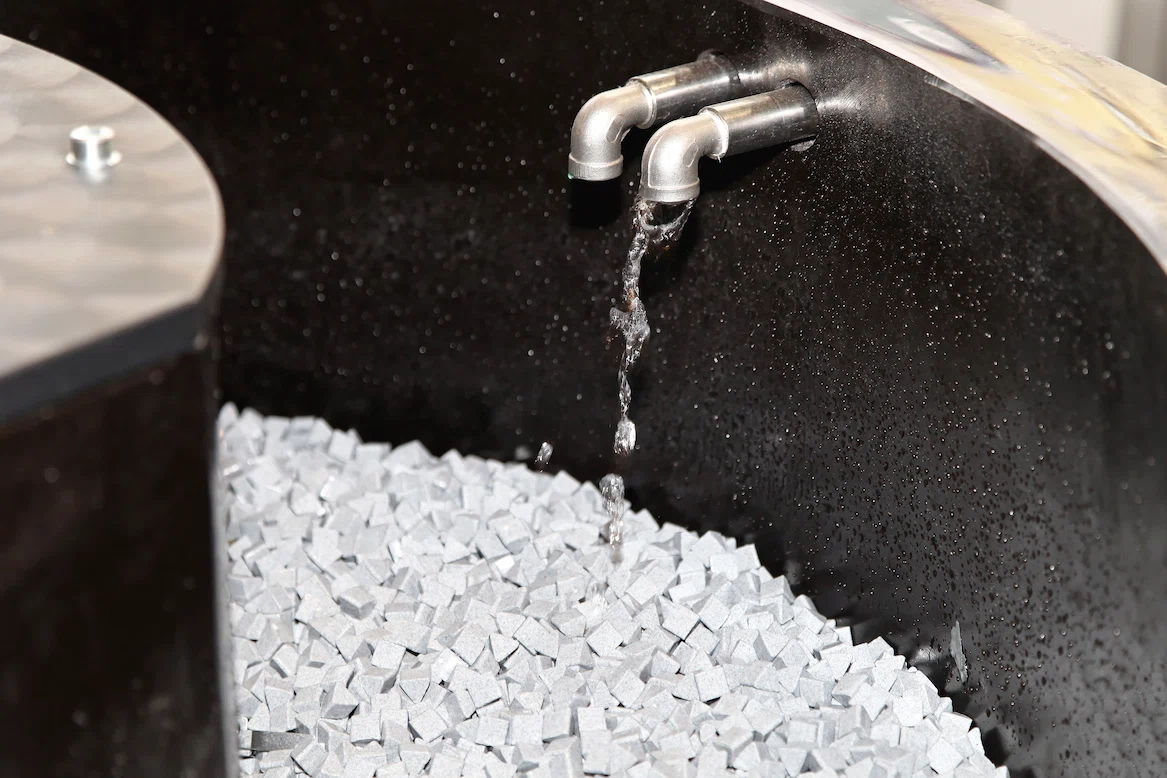
Vibrating shaker
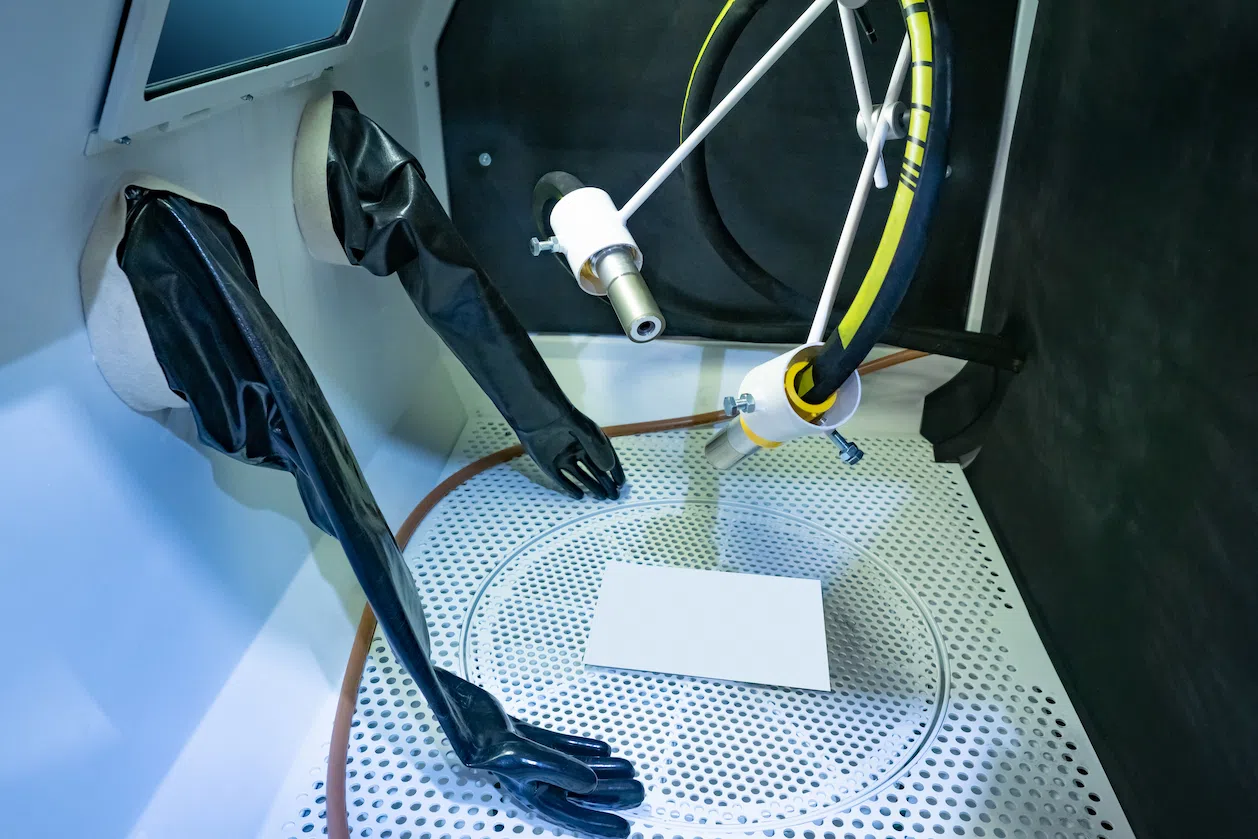
Glass blasting of metal
Cerakote (ceramic coloring)
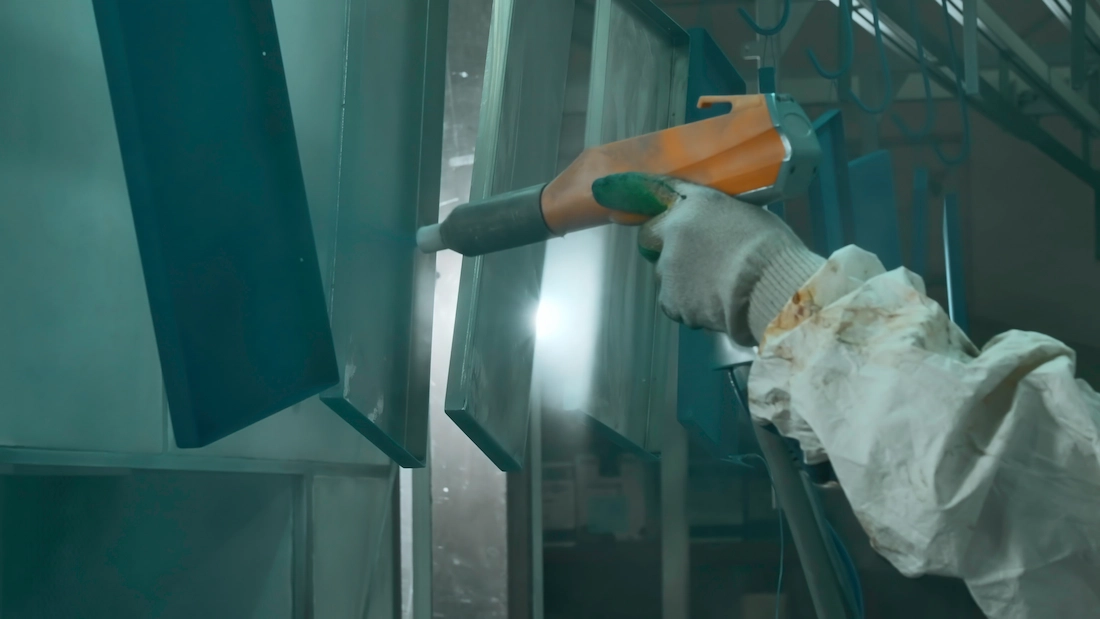
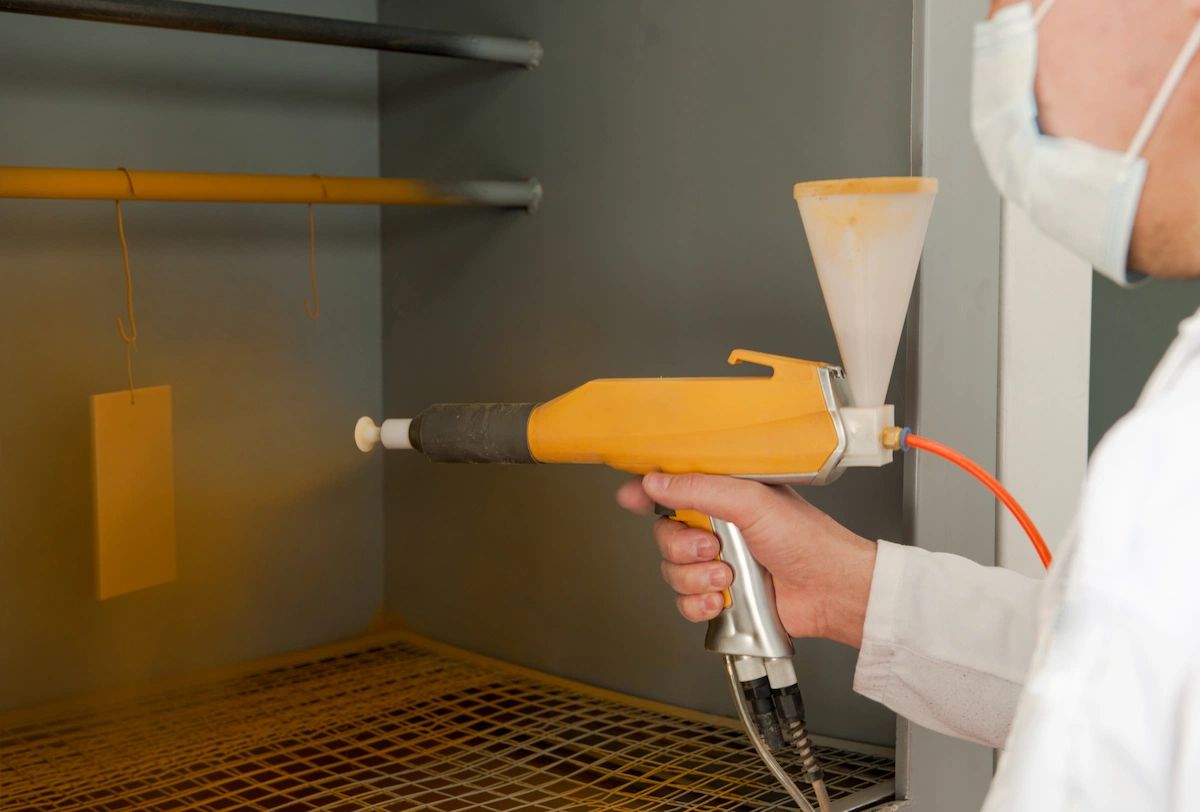
Powder coating
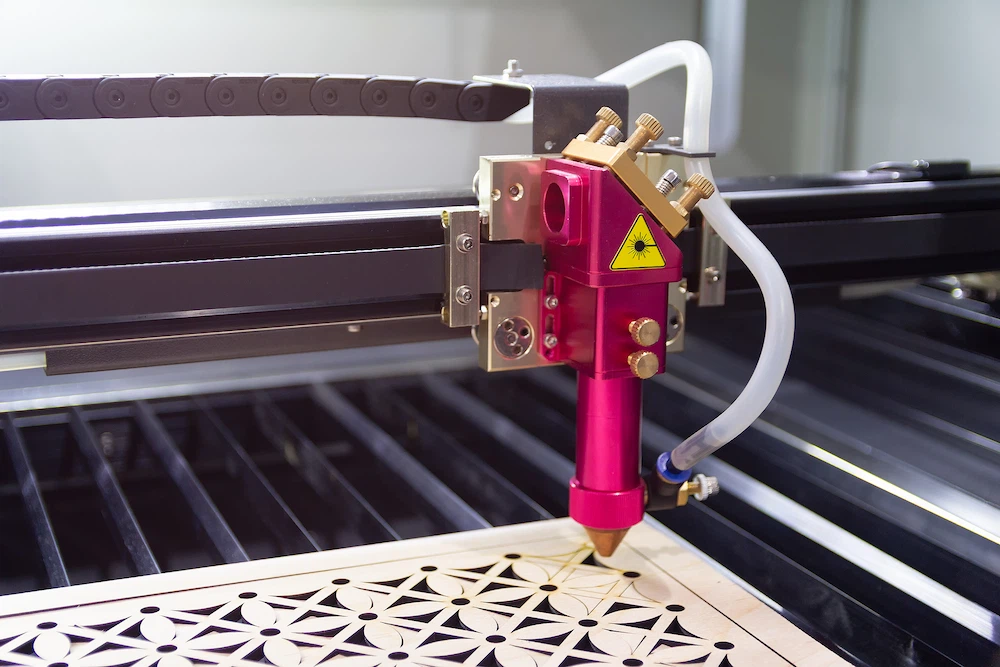
Laser cutting of non-metals
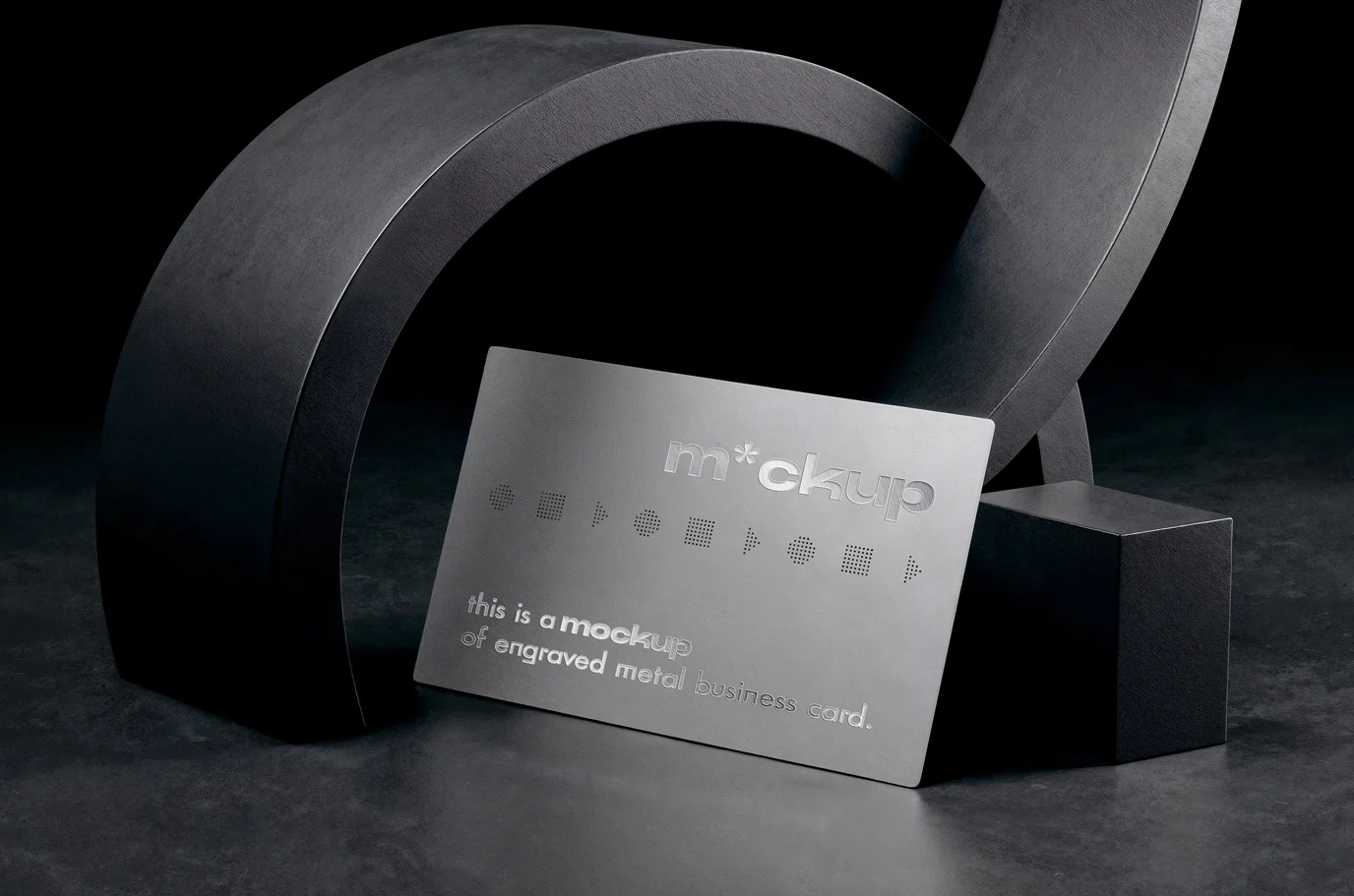
Laser marking of metals
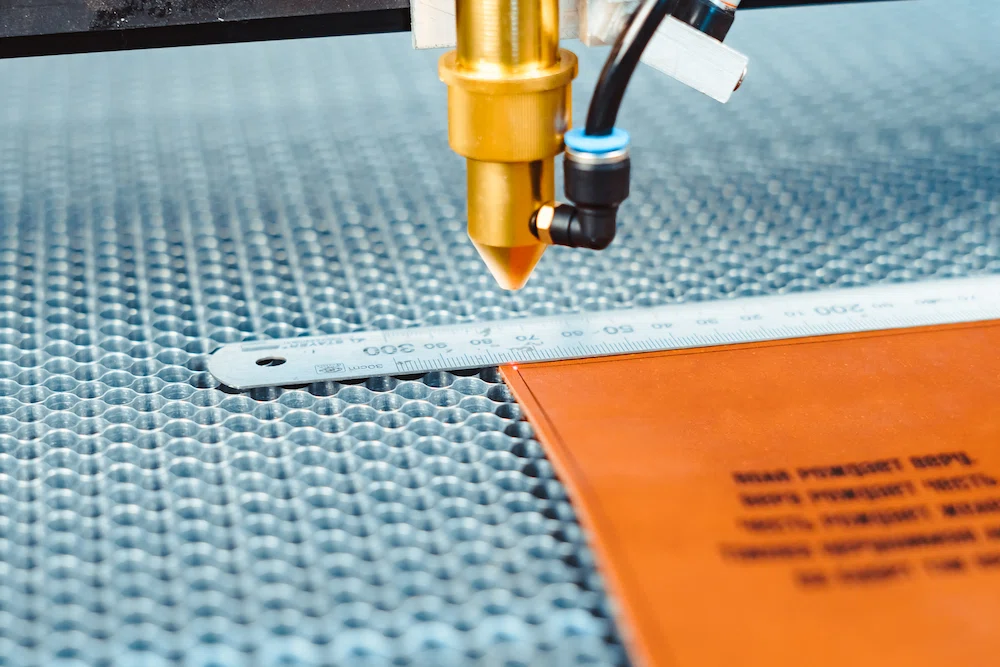
Laser engraving of non-metals
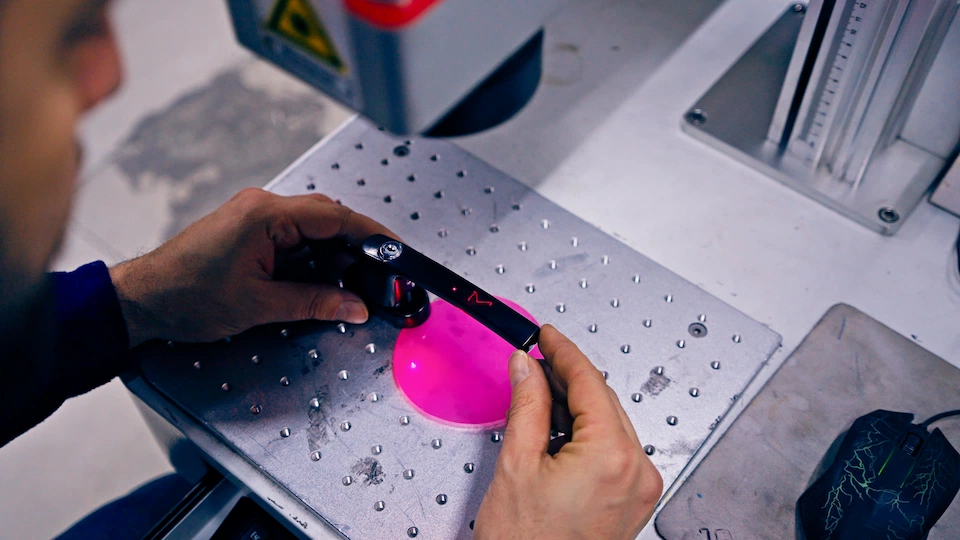
Laser engraving of metal