
Passivation of metal
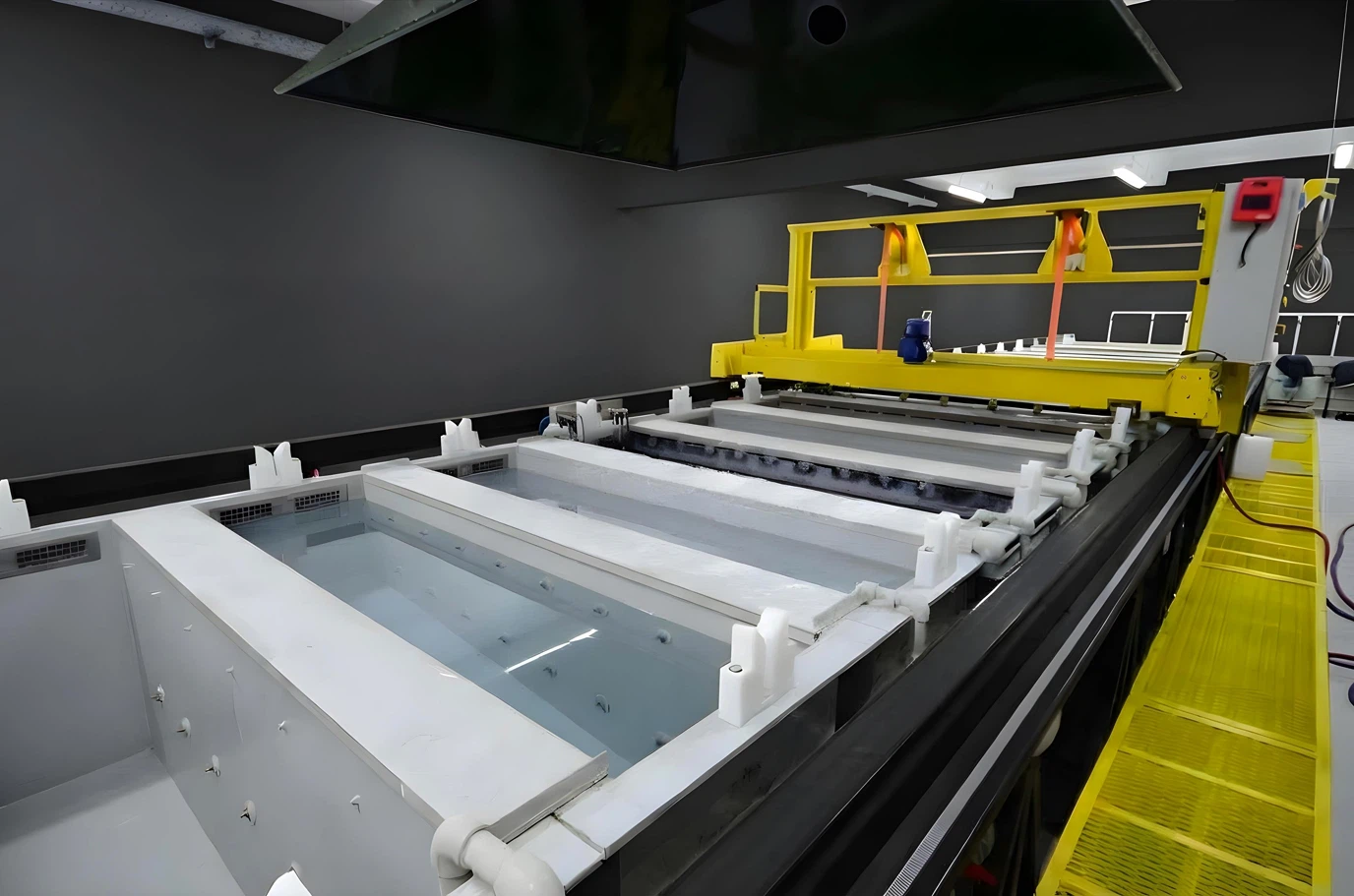

What is metal passivation?
Corrosion starts unnoticed. First, minor changes appear on the surface, followed by a loss of luster, and then serious damage. If the metal works in a humid environment or comes into contact with air without additional protection, the process is inevitable. That is why passivation is used as a basic stage of metal processing.
Passivation is a chemical surface treatment that forms a thin protective layer. It does not change the geometry of the part and has little or no effect on the appearance, but it significantly reduces the risk of corrosion. This process is most often used for stainless steel and other metals where long-term stability is important.
Hard anodizing is used primarily for aluminum alloys when it is necessary to increase wear and corrosion resistance without changing the geometry of the product. The resulting coating becomes part of the metal and acts as an additional protective layer.
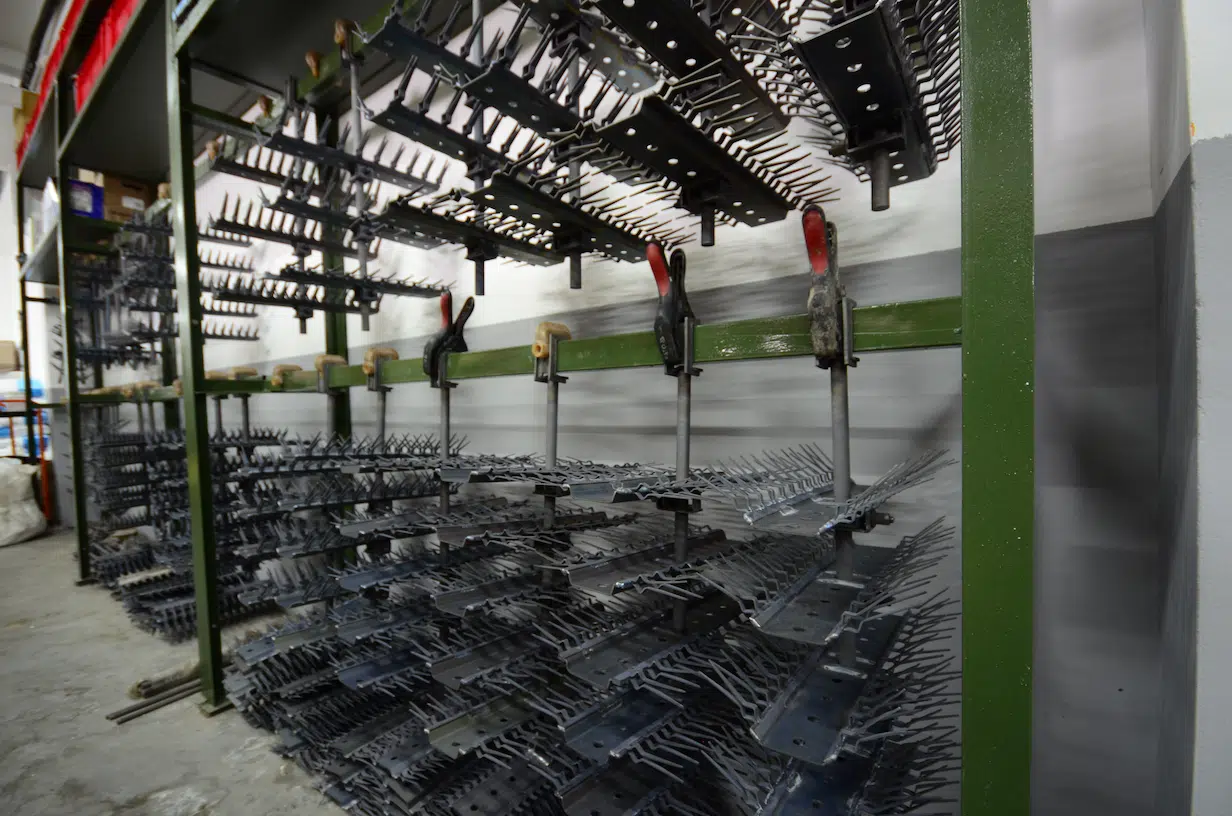
When is passivation needed?
Even stainless steel can lose its resistance if the surface has been machined or comes into contact with an aggressive environment. After welding, cutting, or grinding, particles can remain on the surface, which eventually cause corrosion processes.
Passivation restores the protective properties of the metal. It creates an oxide layer that acts as a barrier between the material and the external environment. For products that are used in wet conditions or have increased requirements for surface cleanliness, this stage is mandatory.
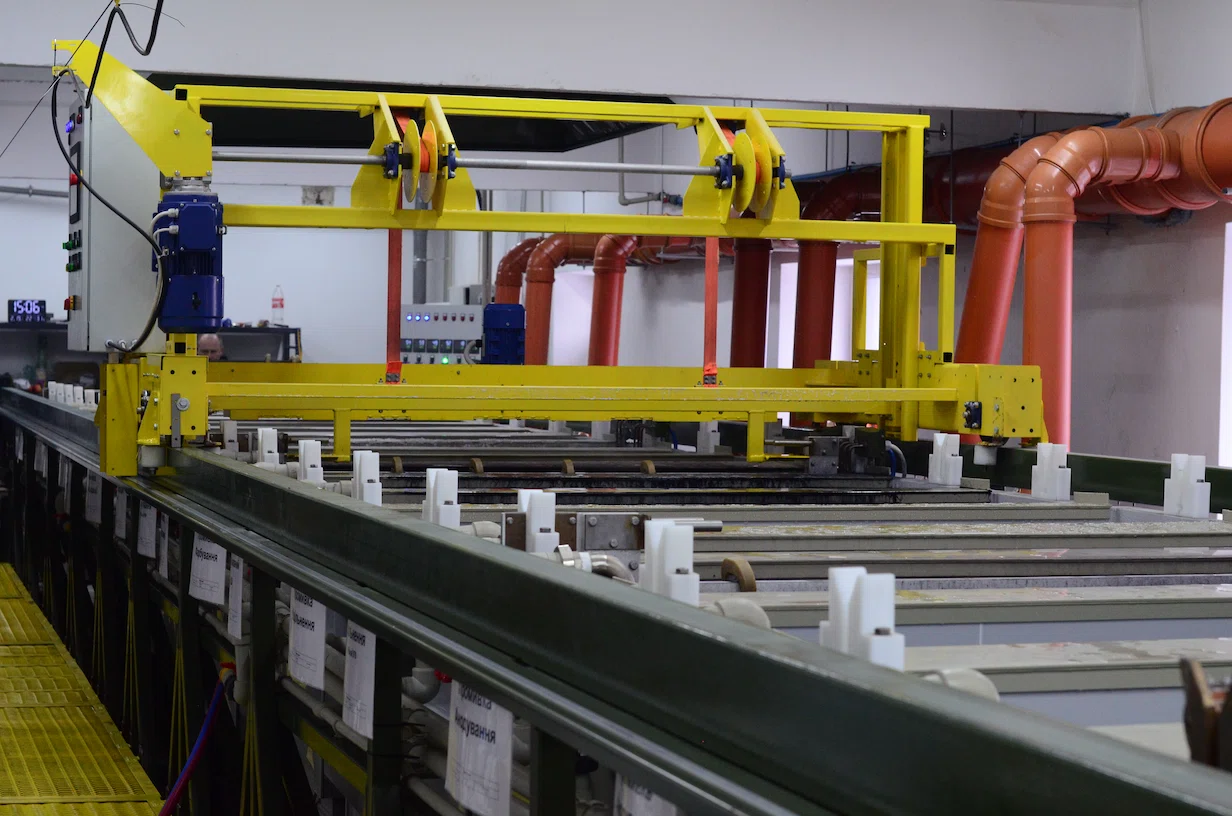
How the process works
Before passivation, the surface is cleaned of dirt and residues from production processes. Then the part is treated with a special compound that triggers the formation of a protective layer. After processing, the metal is washed and subjected to quality control.
The result is not immediately visible, because passivation does not create a decorative coating. However, it is this invisible layer that provides corrosion resistance and extends the life of the product.
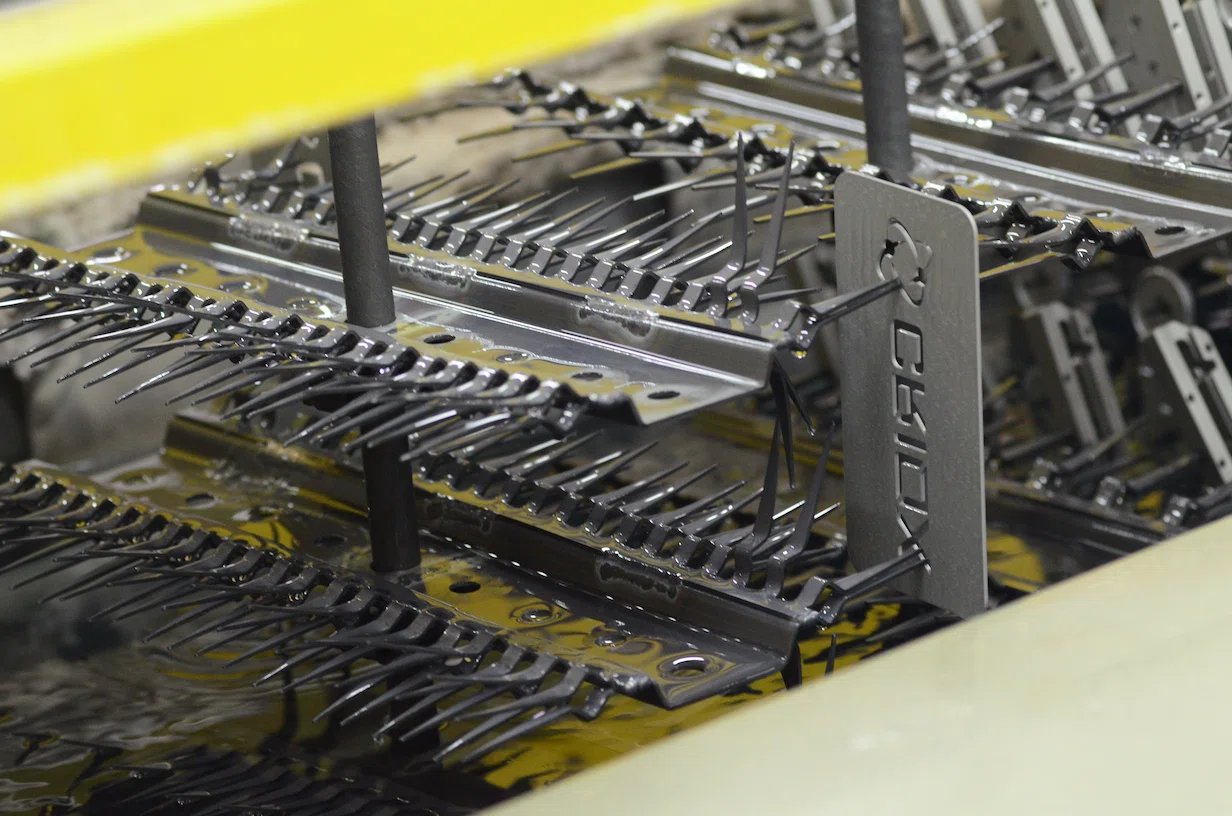
What passivation gives in practice
The main effect is an increase in corrosion resistance. The metal retains its properties longer and does not require frequent repairs or replacement. For production, this means stability, and for the customer, it means lower costs in the future.
Passivation is especially relevant for parts that are used in high humidity, industrial or food environments, where surface cleanliness and the absence of oxidation are important.
The format of passivation execution
Passivation is carried out taking into account the type of metal, surface condition and requirements for further operation. It is important not just to process the part, but to ensure the stability of the protective layer without changing the geometry and appearance of the product.
Before starting, the material and operating conditions of the part are assessed, and then the processing mode is determined. For the calculation, it is enough to provide a drawing or technical description – based on this data, a proposal with specific terms and cost is prepared.
The works we are most proud of The works we are most proud of
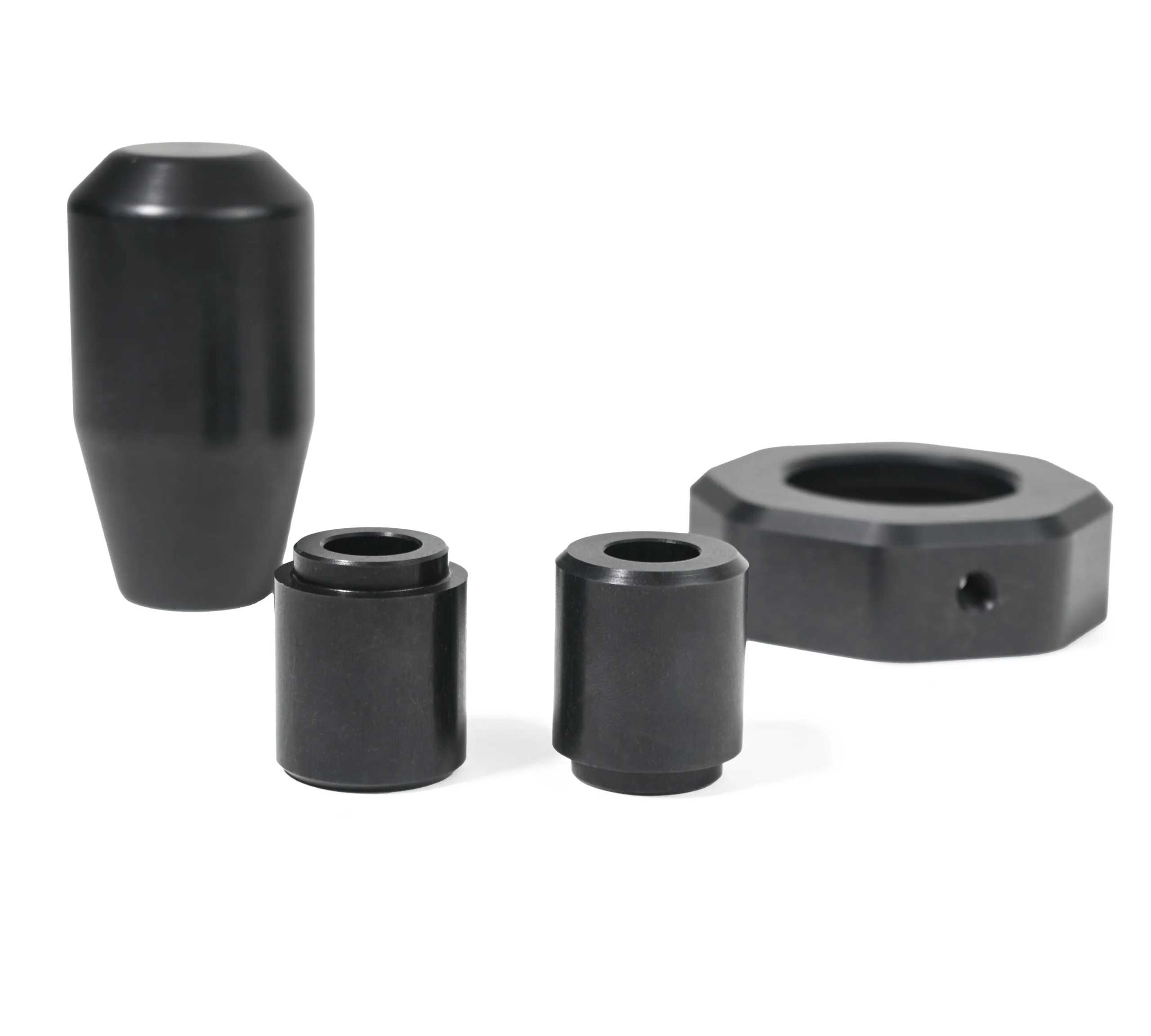
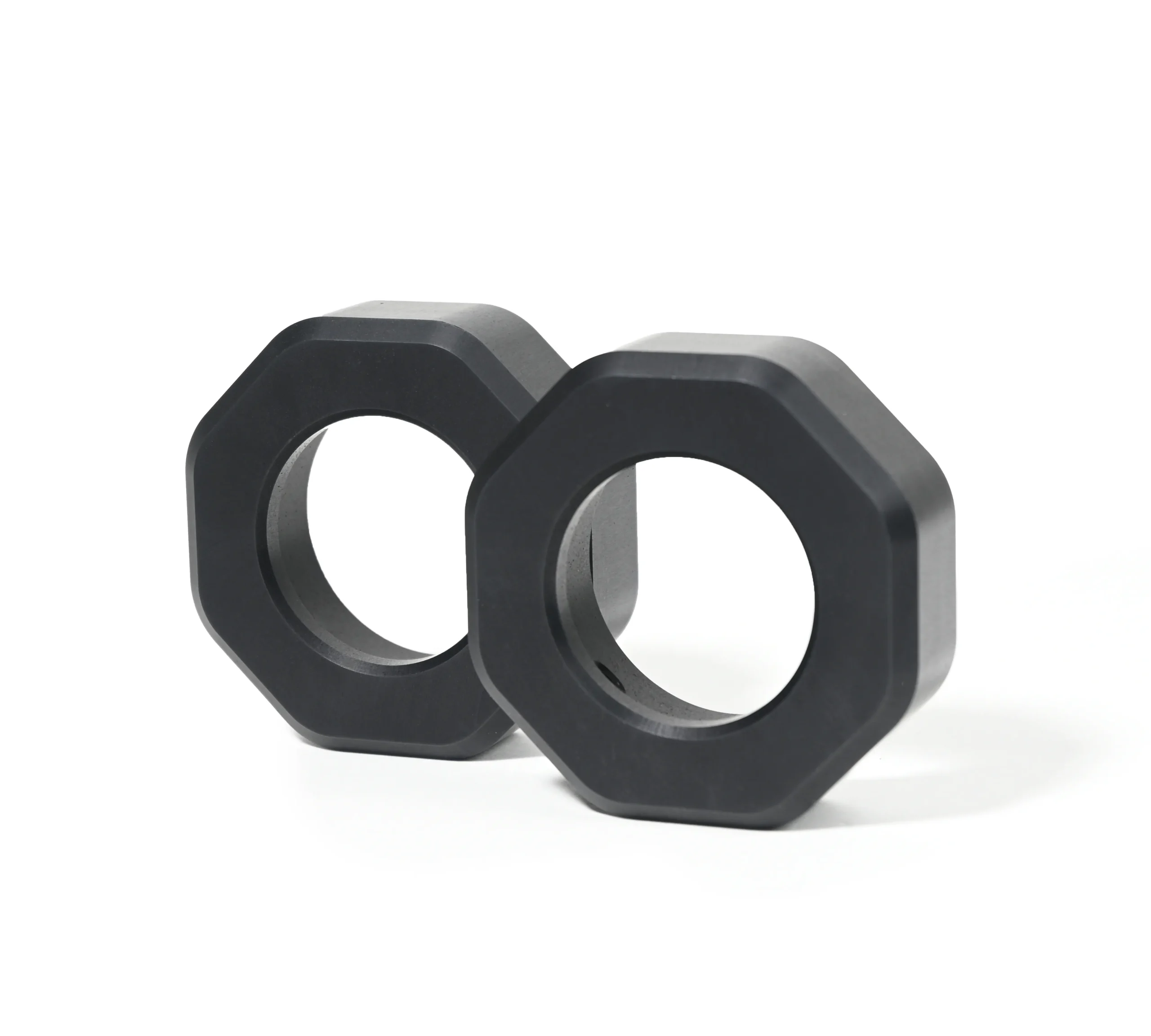
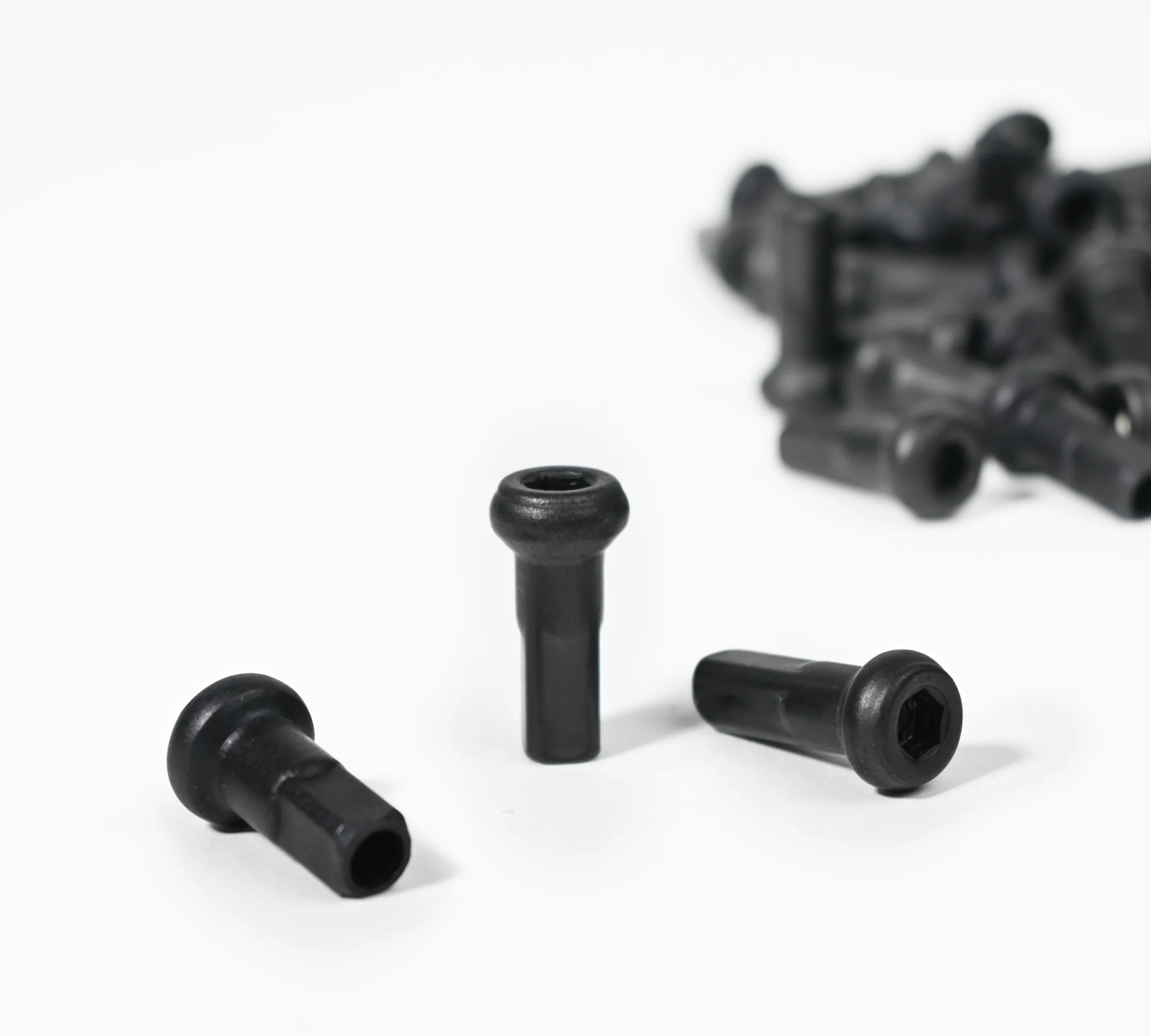
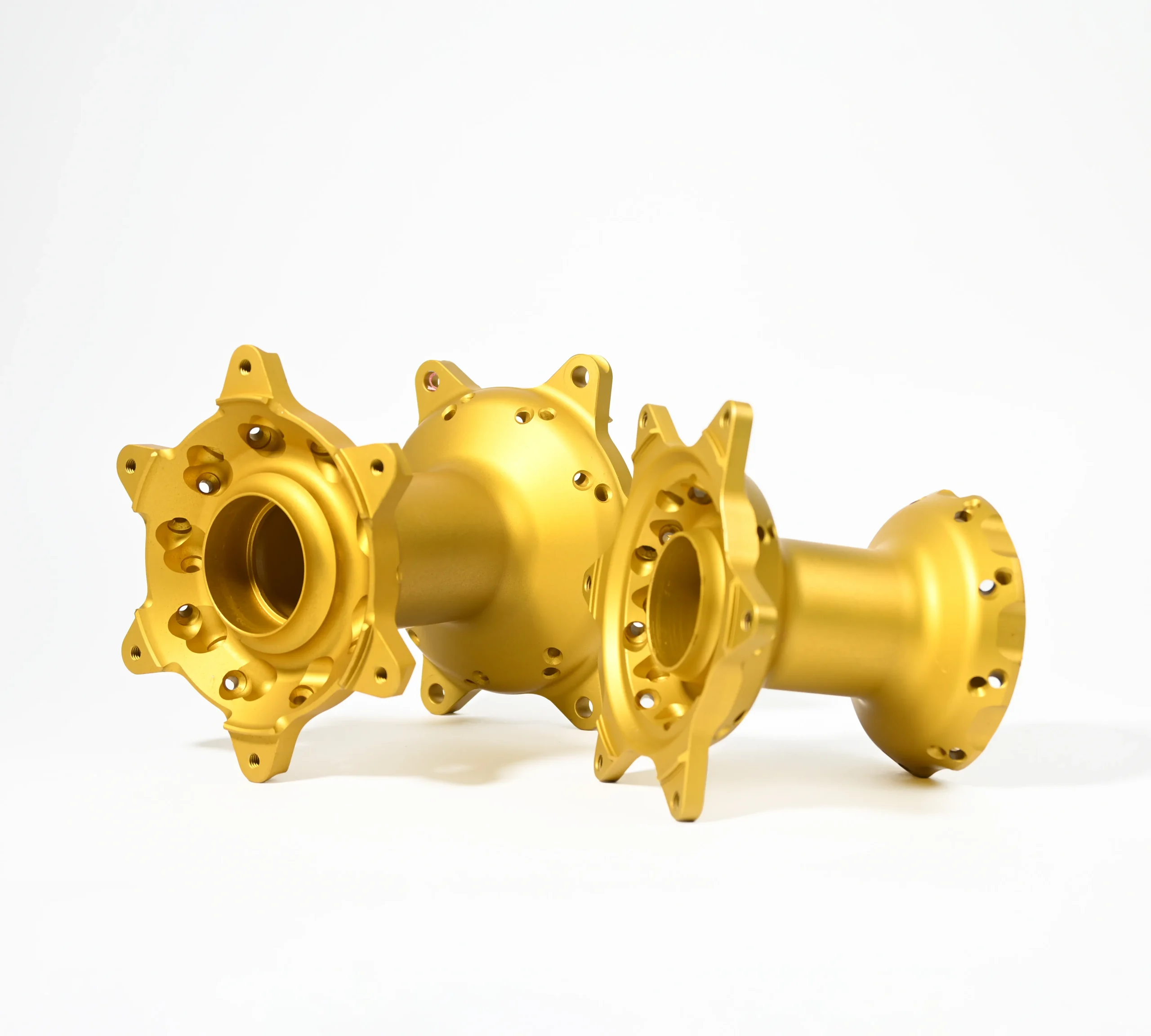
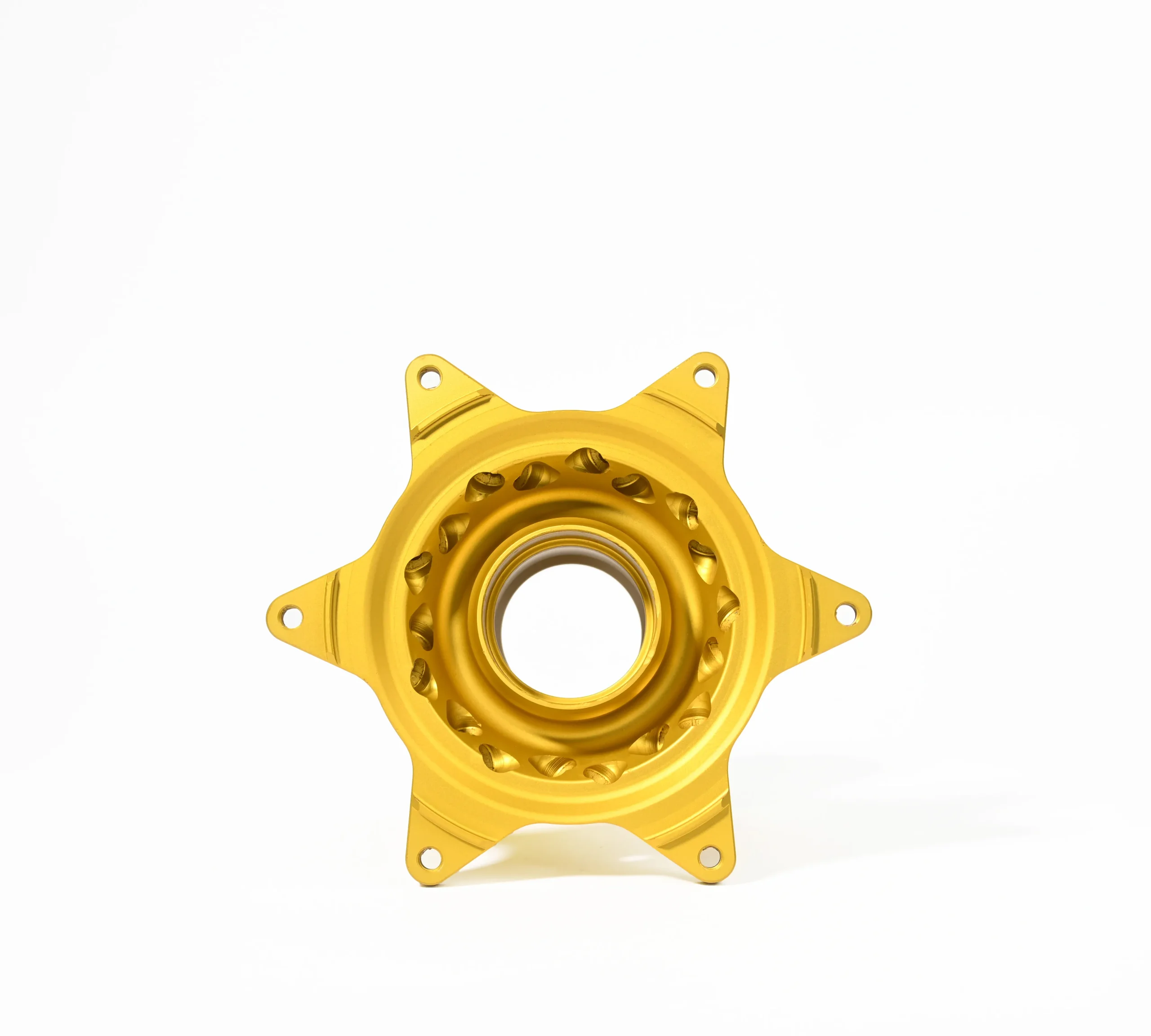

Passivation of metal
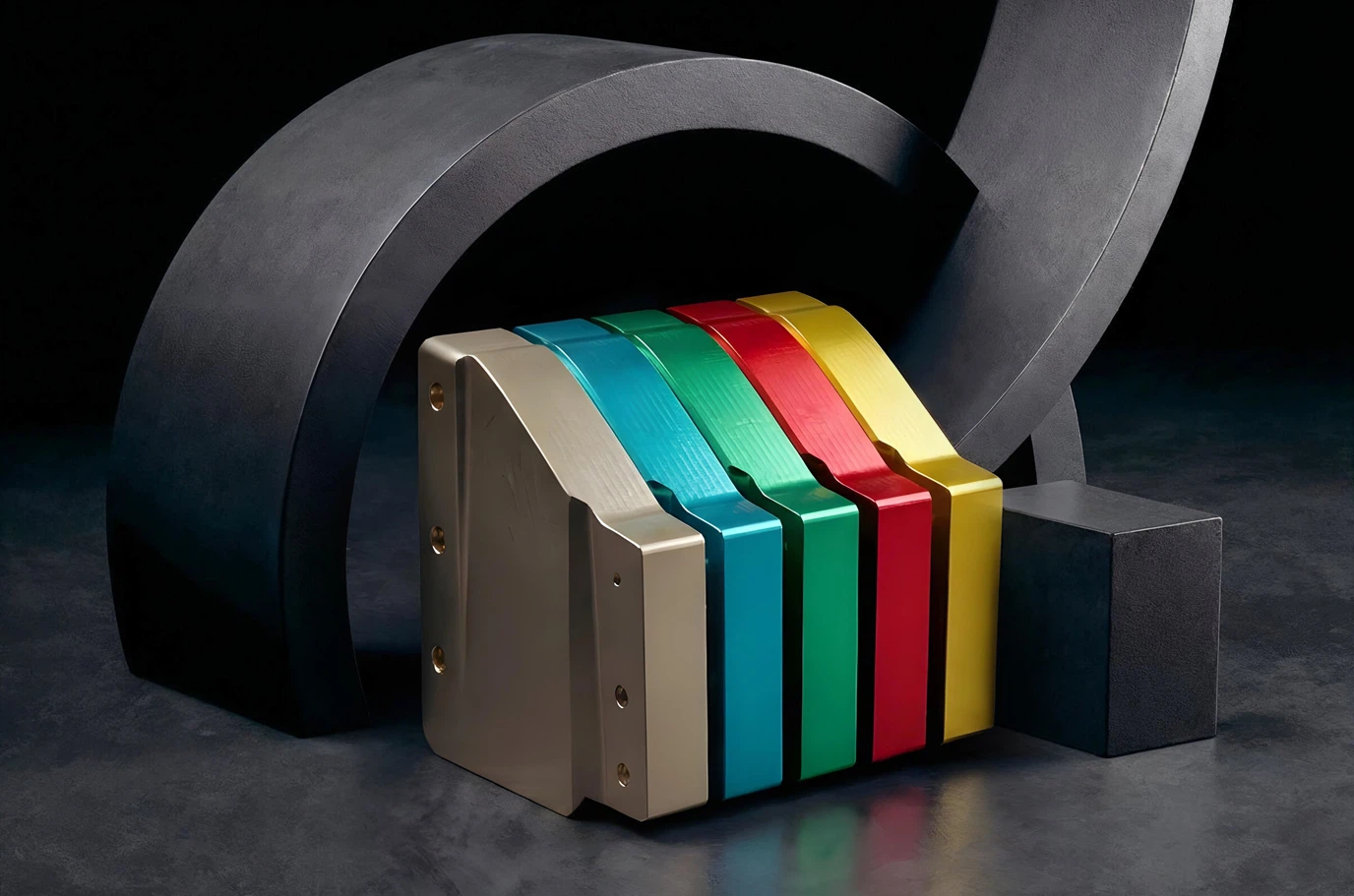
Color anodizing
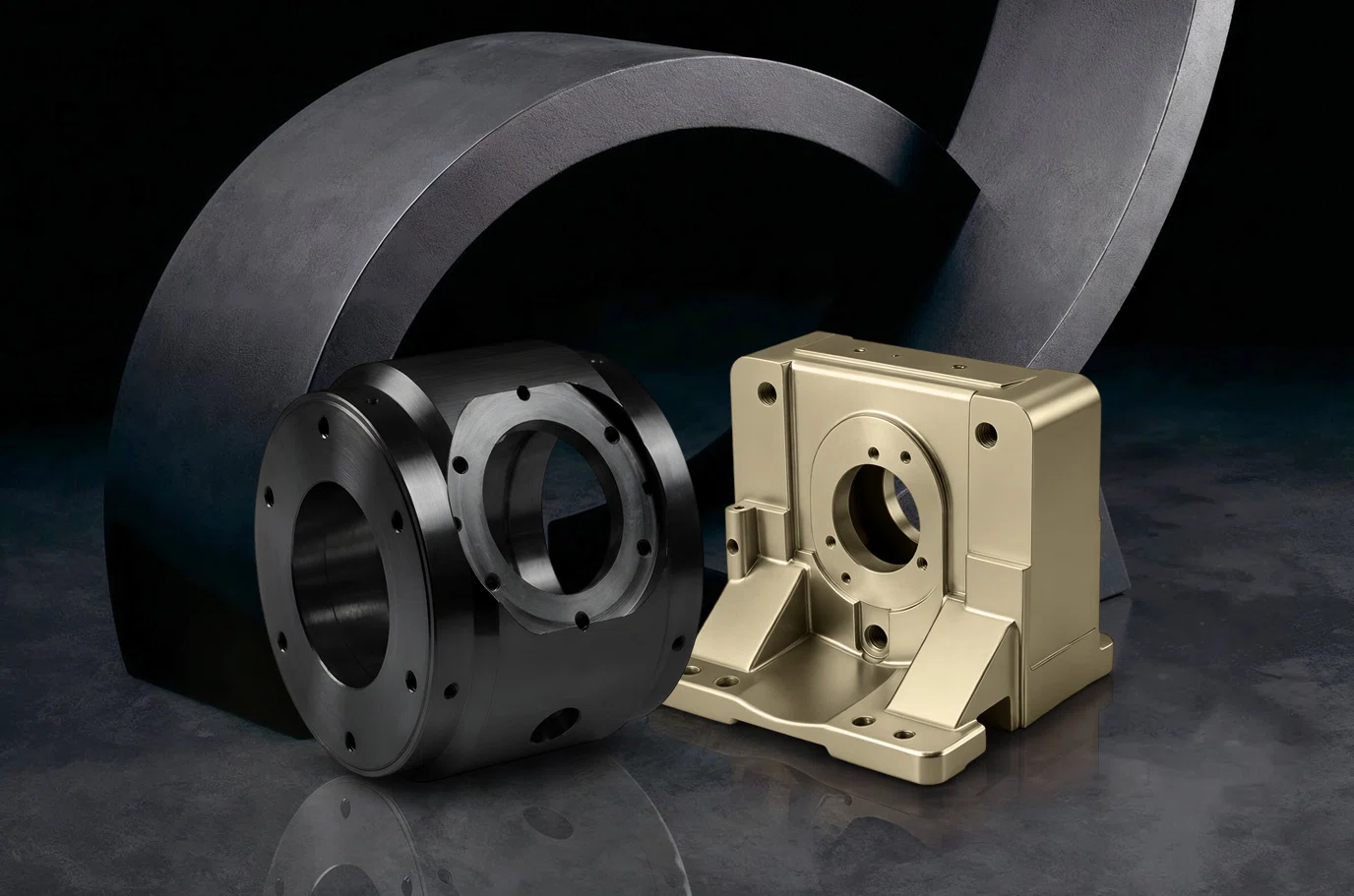
Hard anodizing
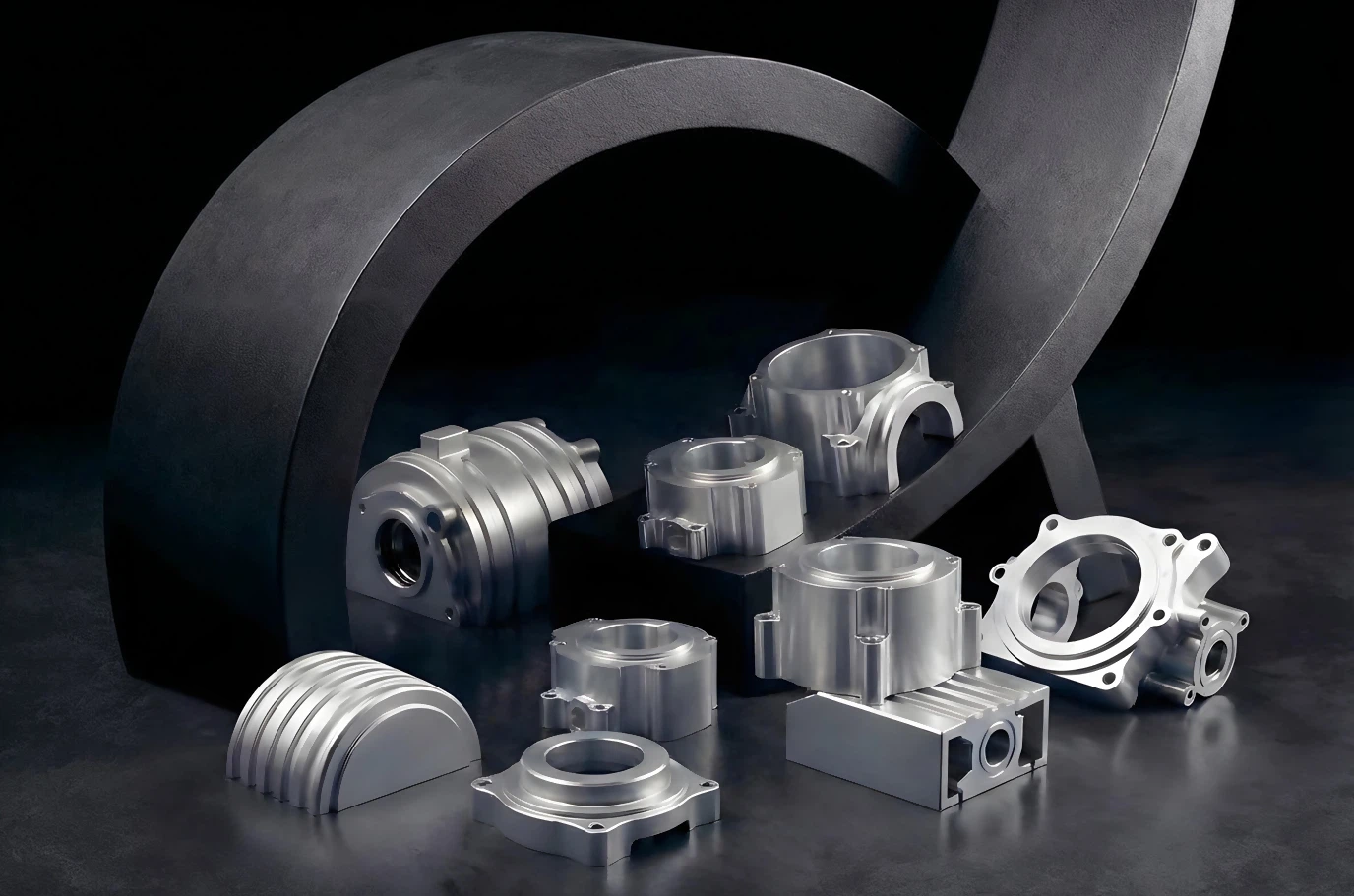
Aluminum Anodizing
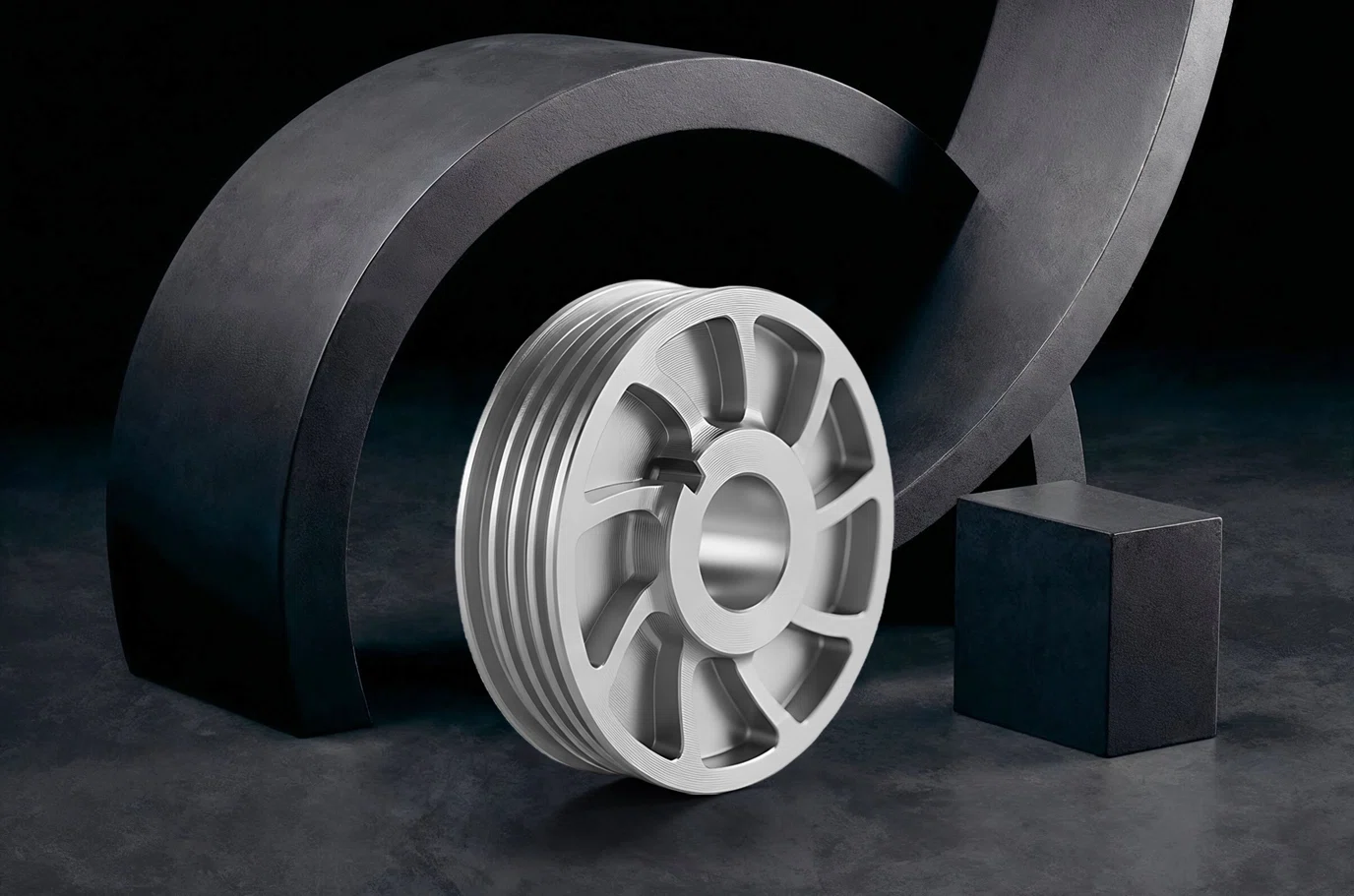
Colorless anodizing
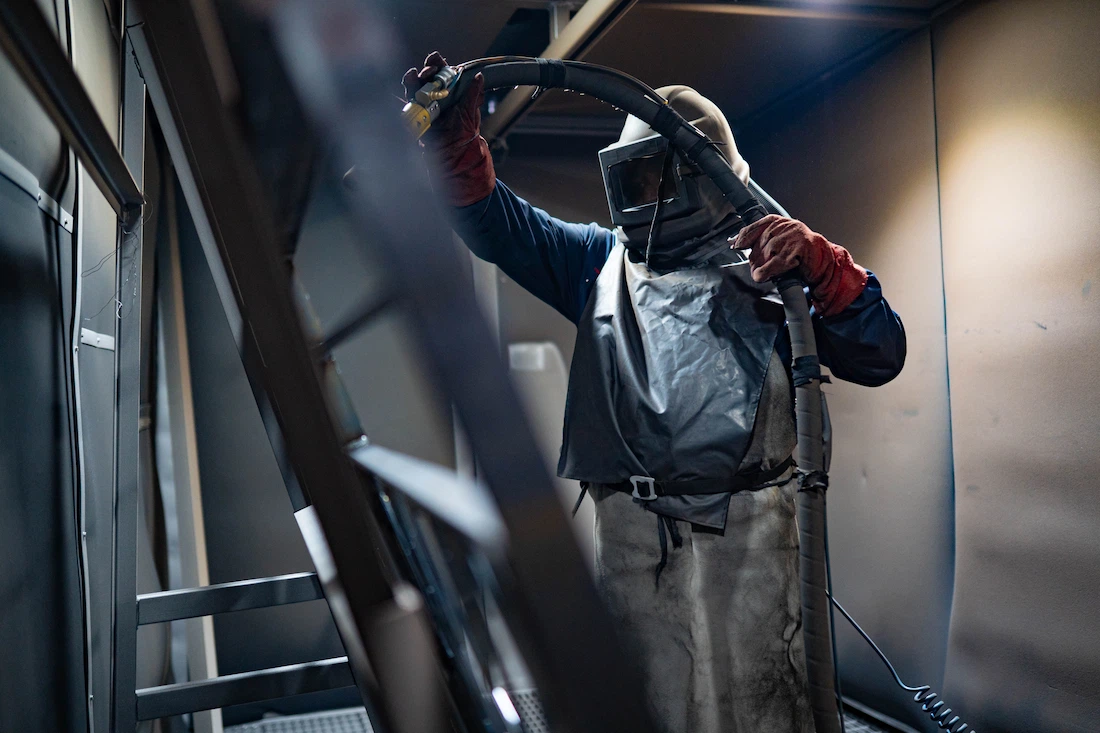
Sandblasting of metal
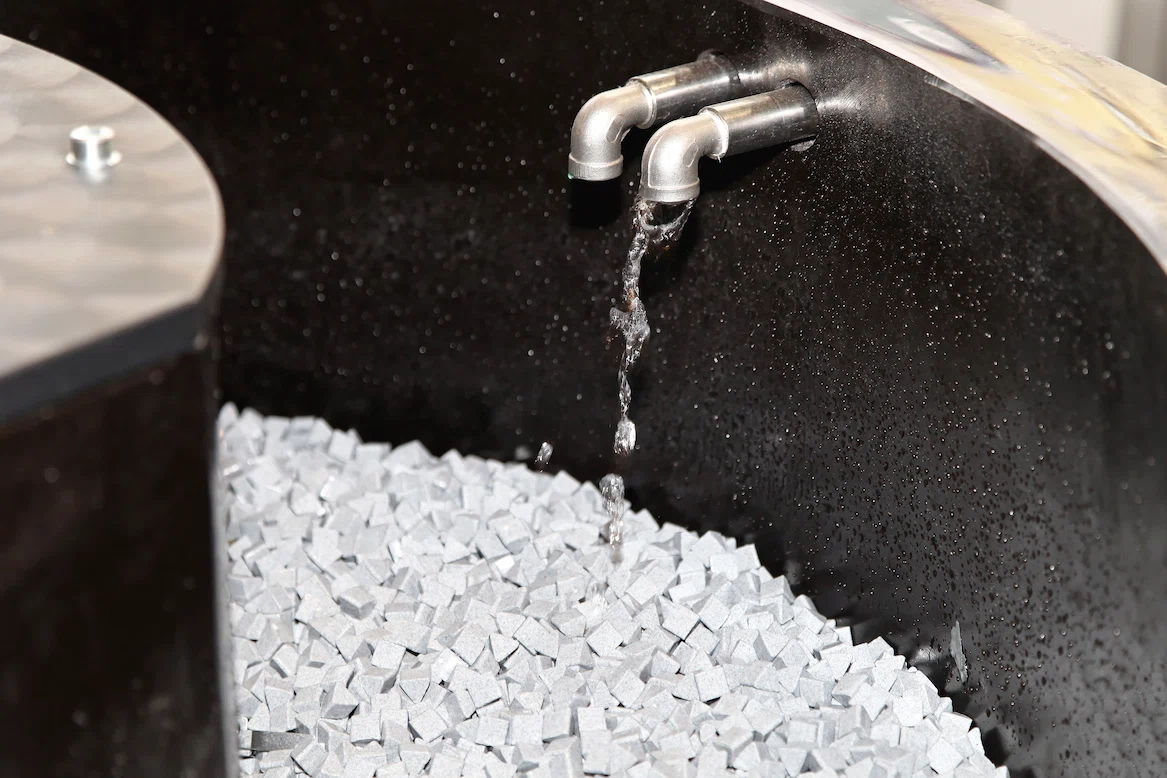
Vibrating shaker
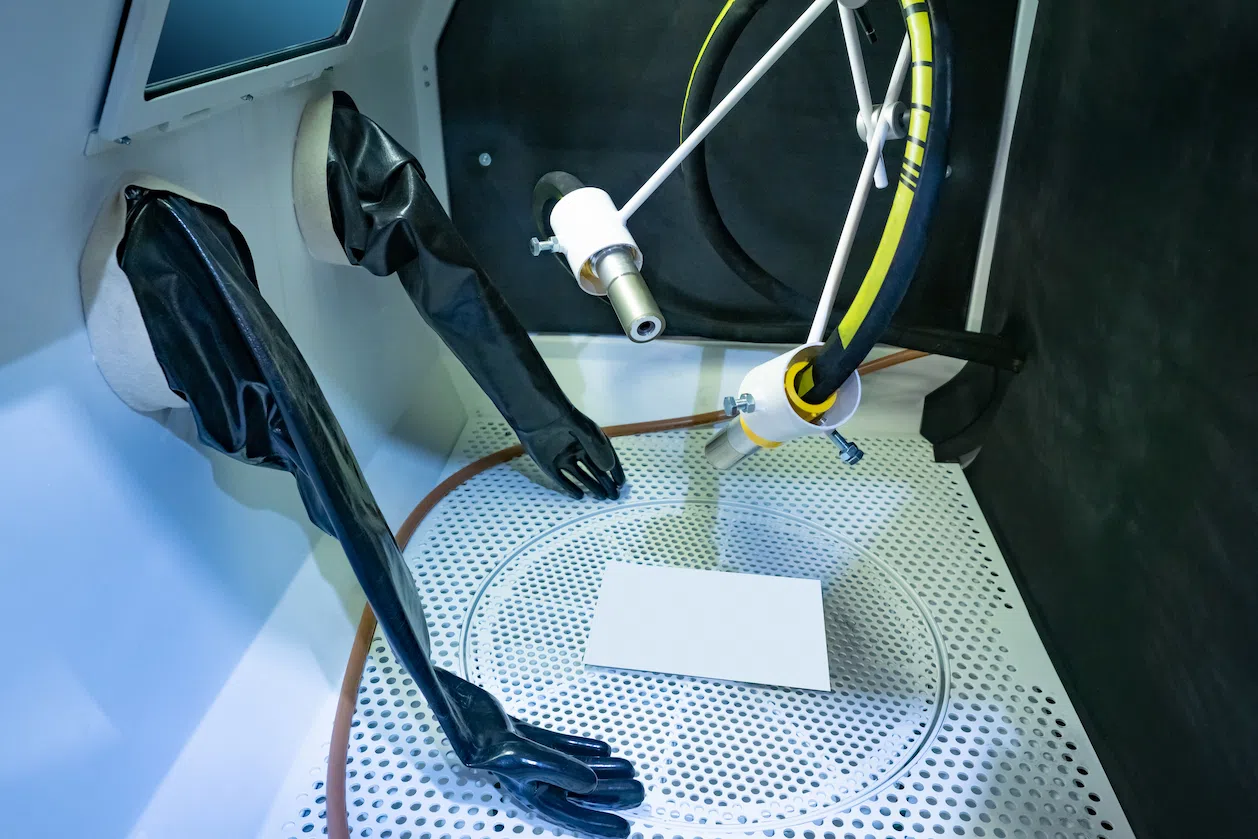
Glass blasting of metal
Cerakote (ceramic coloring)
Powder coating
Laser cutting of non-metals
Laser marking of metals
Laser engraving of non-metals
Laser engraving of metal