Color anodizing

Technical indicators
Technical indicators
Type of coating
- Color updating
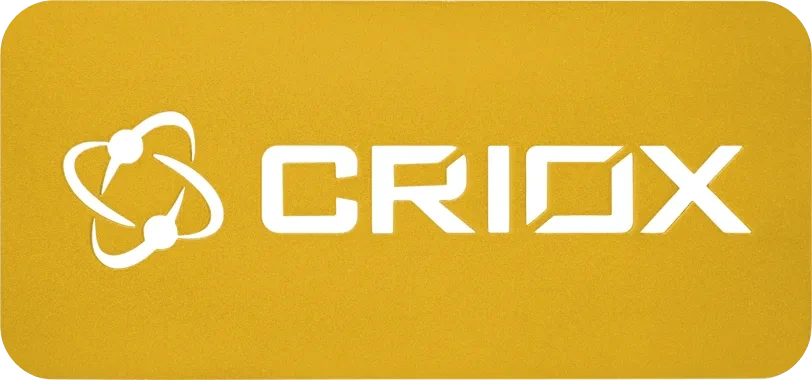
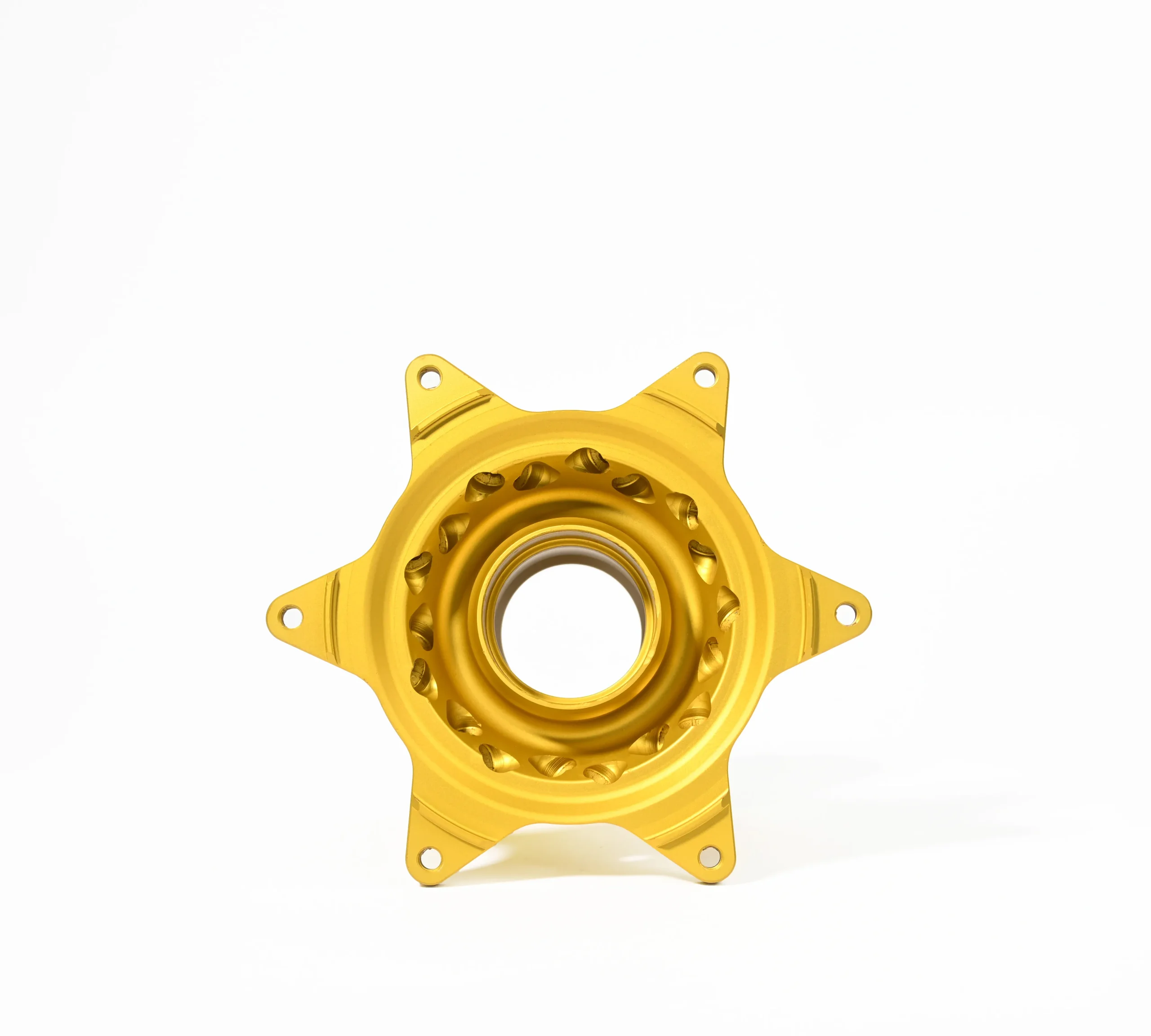
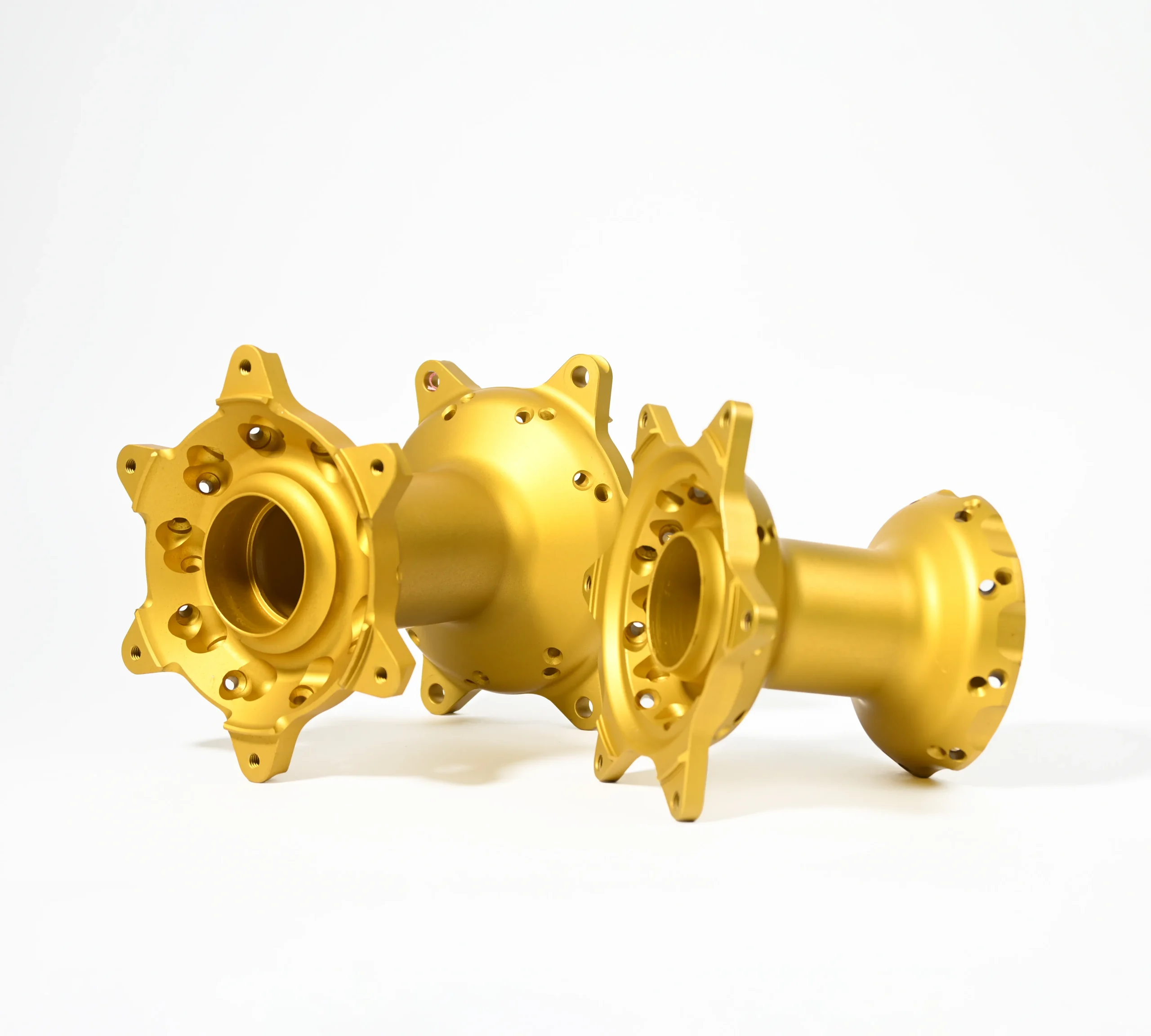
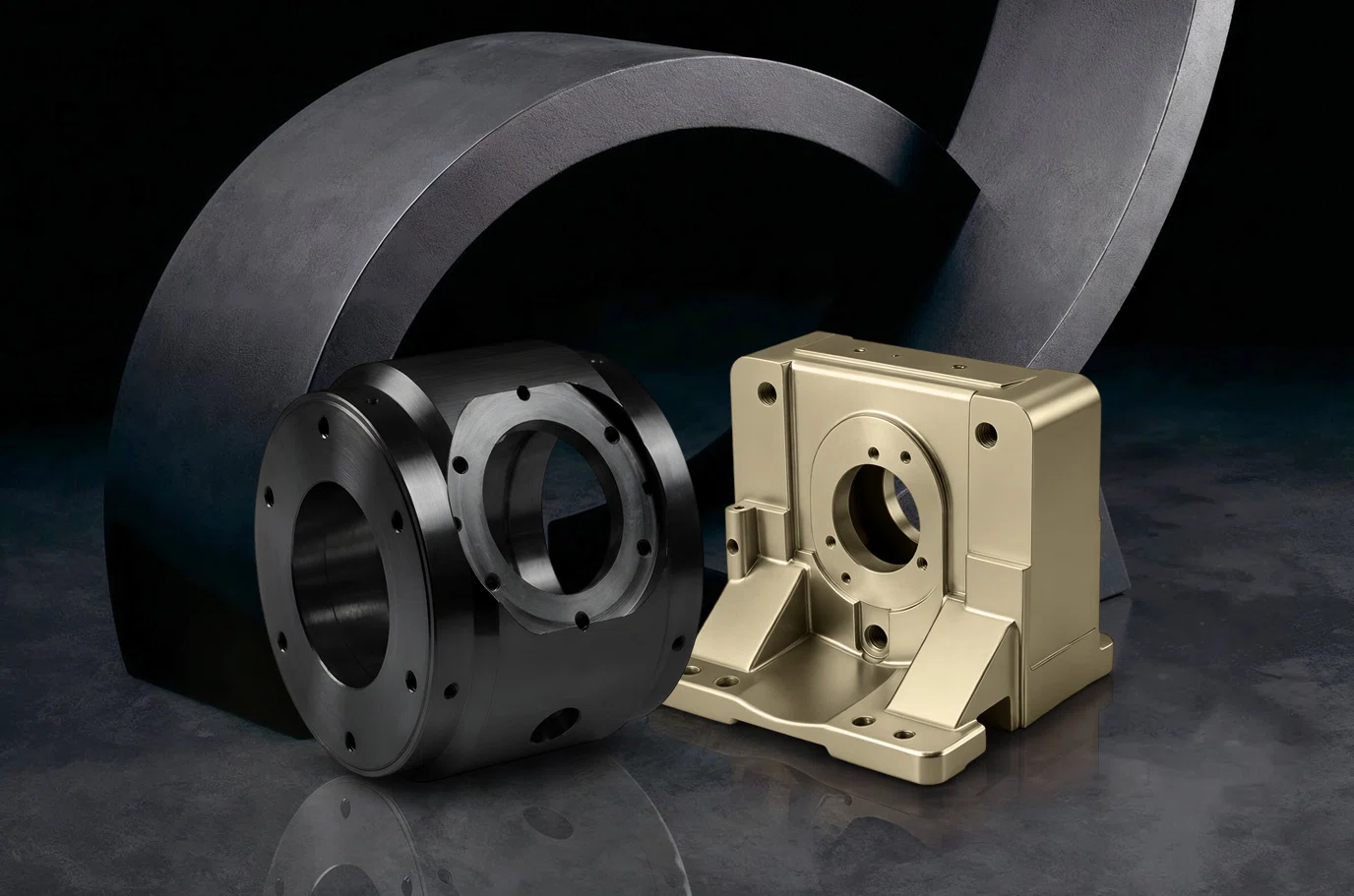
Color: yellow


Characteristics:
- The maximum size is 600x450x350 mm.
Control of coating thickness
- Material: Aluminum
- Aluminum series: 1000, 2000, 5000, 6000, 7000
What is color anodizing?
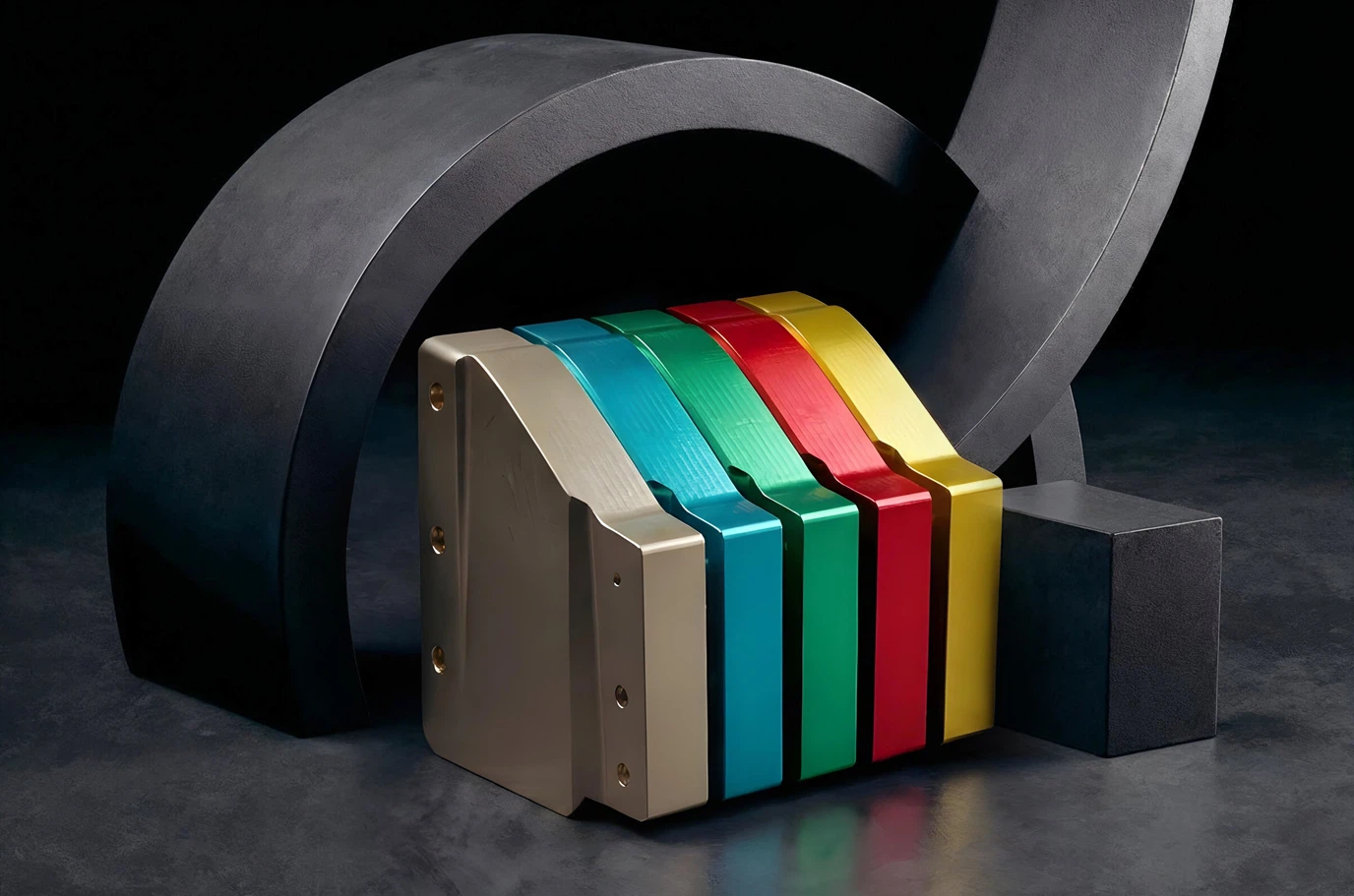
Aluminum itself looks restrained. But in many projects, this is not enough. You need a color that doesn’t wear off, peel, or look like a layer of paint. That’s why color anodizing is used, a technology that changes the surface of the metal, not just covers it.
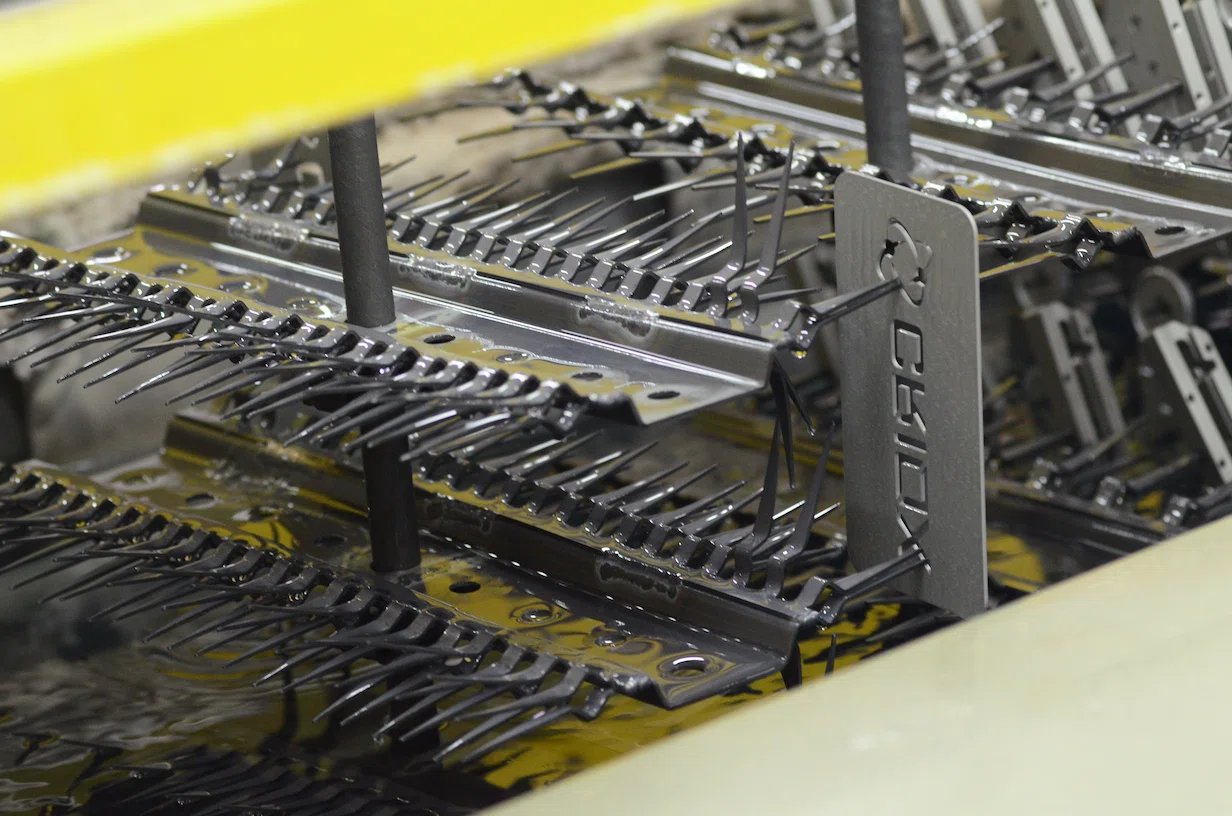
During the process, an oxide layer is formed, into the structure of which the colorant is introduced. After the pores are closed, the color is fixed inside the metal. It does not lie on top and does not peel off over time. This is the fundamental difference between anodizing and painting.
When should you choose color anodizing?
Colored anodizing is used when appearance is as important as technical characteristics. These can be housing elements, panels, profiles, equipment parts or interior structures.
The color makes the product recognizable, but does not reduce its strength. The surface remains resistant to scratches and moisture. This is important for products used outdoors or in high humidity conditions.
How the process works
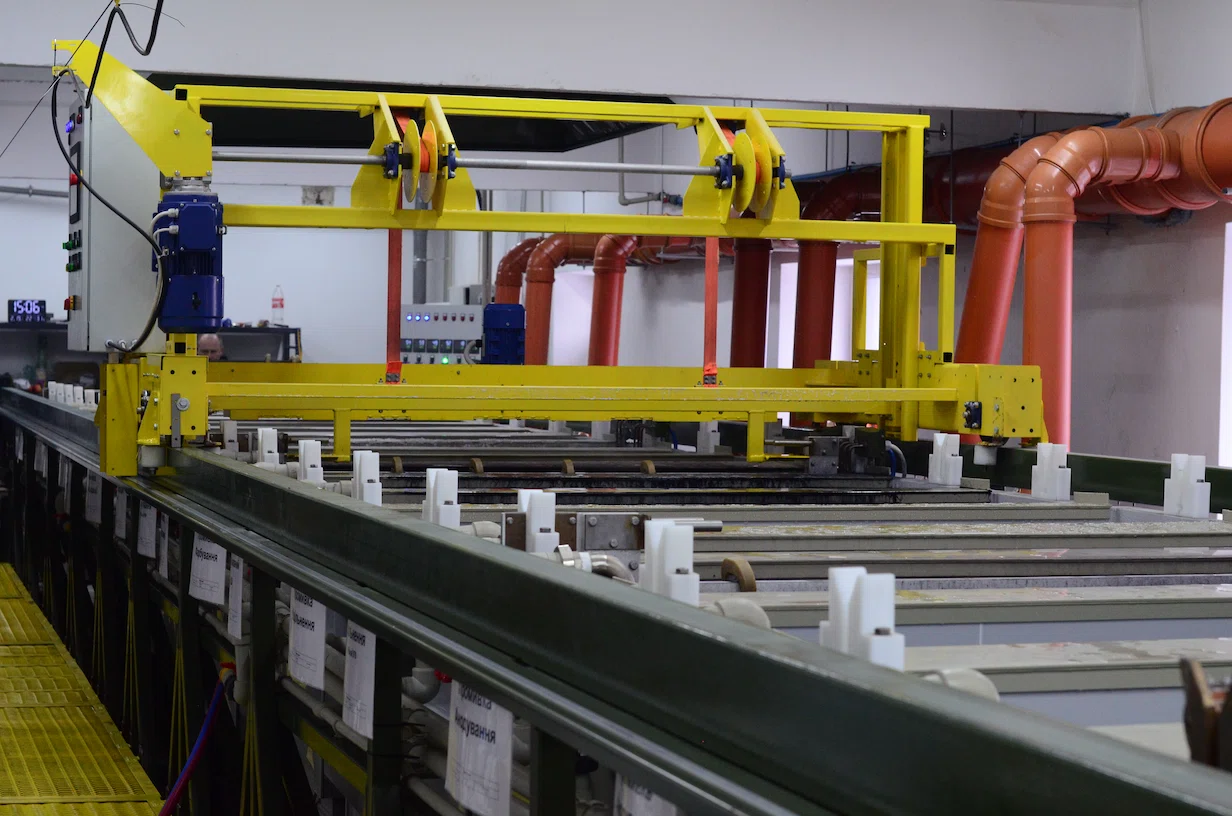
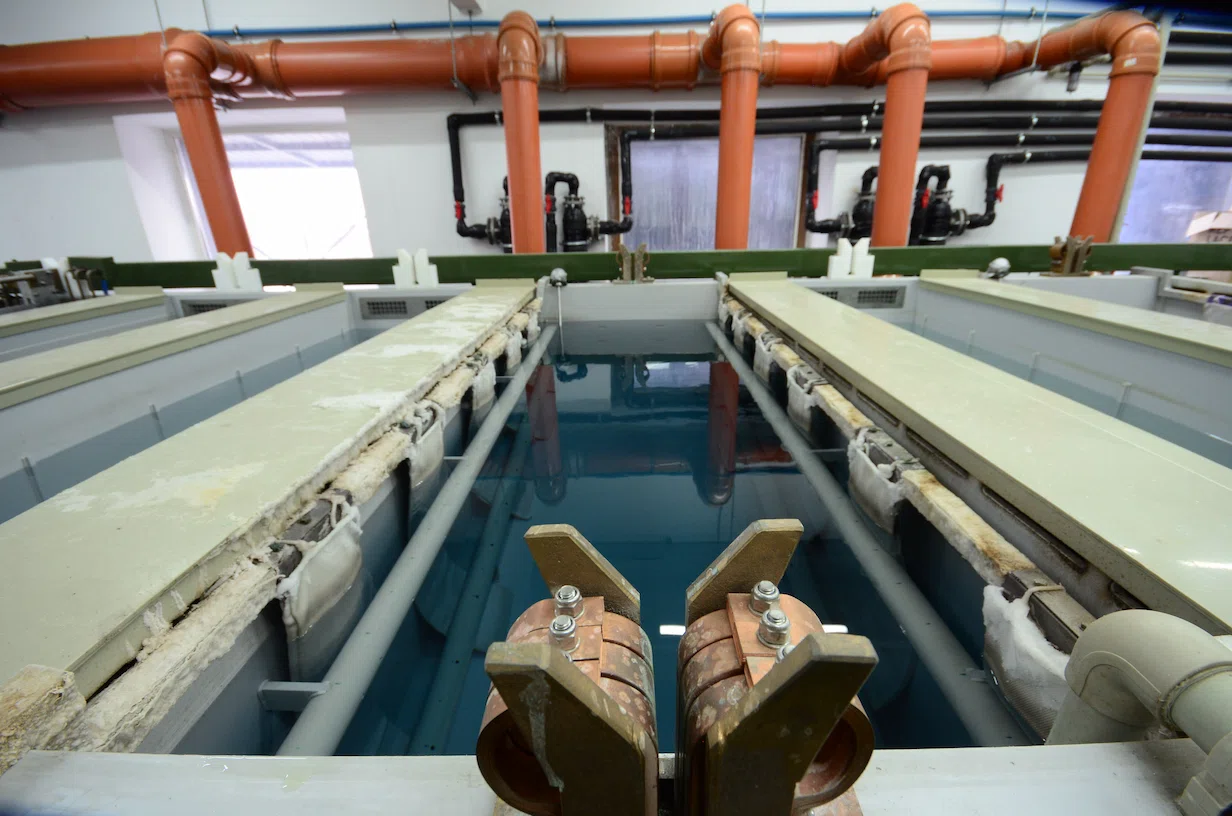
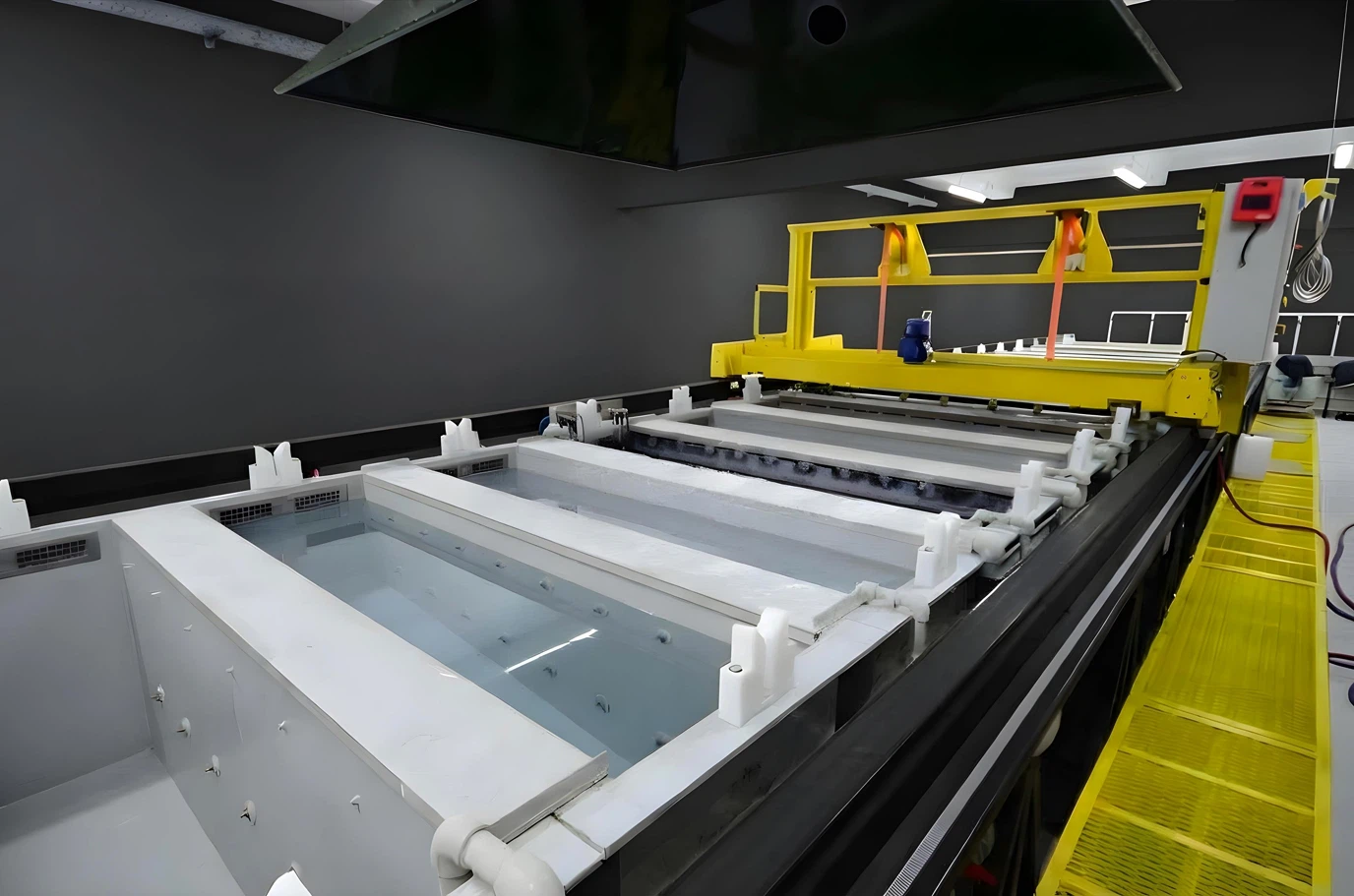
First, the aluminum is prepared – cleaned and pretreated. Next, an oxide layer is formed in a special electrolyte. After that, the surface is painted and sealed. It is at this stage that the color is fixed and becomes part of the metal structure.
The layer thickness is controlled depending on the requirements of the product. This helps to maintain geometric accuracy and avoid deformation.
What the customer gets
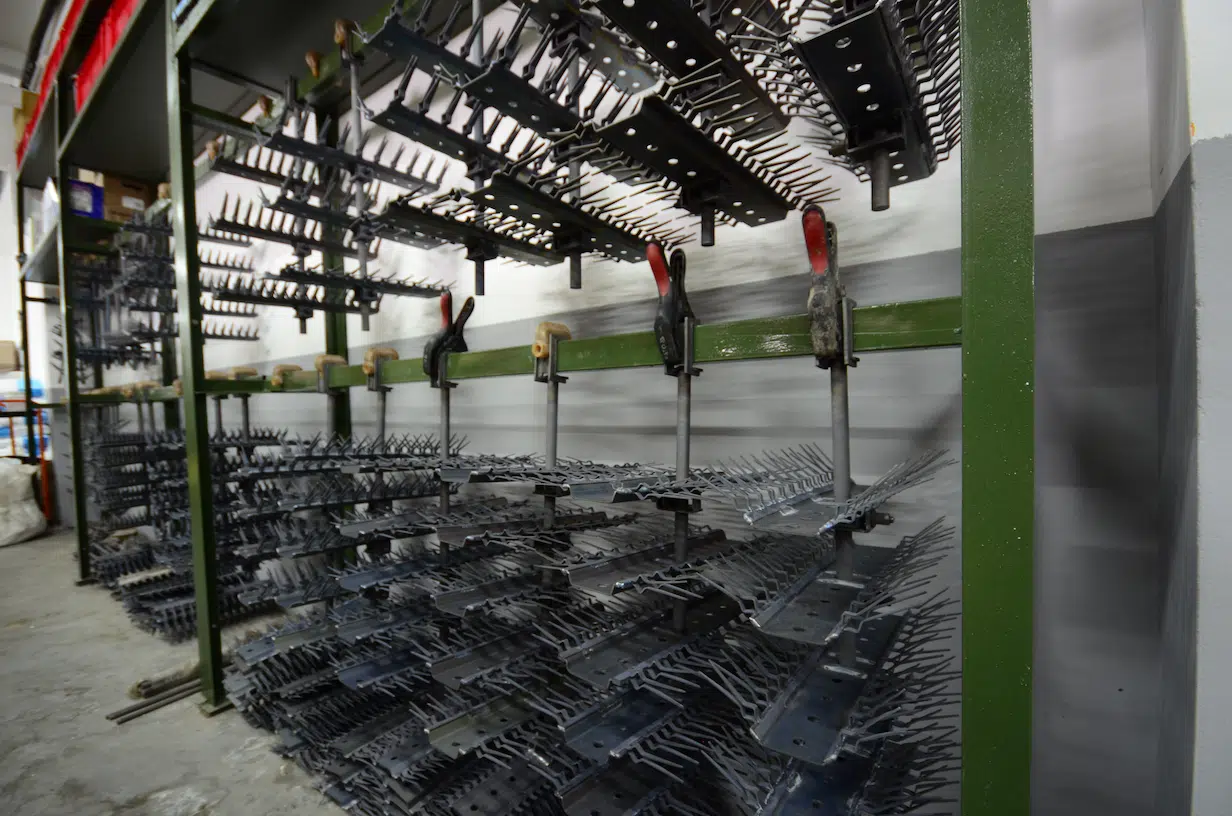
The result is a rich and uniform shade without a filmy effect. The surface does not shine excessively and does not lose color after several months of use. The product does not require any special care.
Colored anodizing combines functionality and visual appeal without compromise.
Format of realization of color anodizing
The shade and thickness of the layer are agreed upon before the process is started, taking into account the alloy and the purpose of the product. It is important not only to obtain the desired color but also to maintain the technical characteristics of the part.
To assess the feasibility of processing, it is enough to provide technical parameters or a sample. After the analysis, the anodizing mode, project timeline, and budget are determined.
The works we are most proud of The works we are most proud of






Passivation of metal
Color anodizing
Hard anodizing
Aluminum Anodizing
Colorless anodizing
Sandblasting of metal
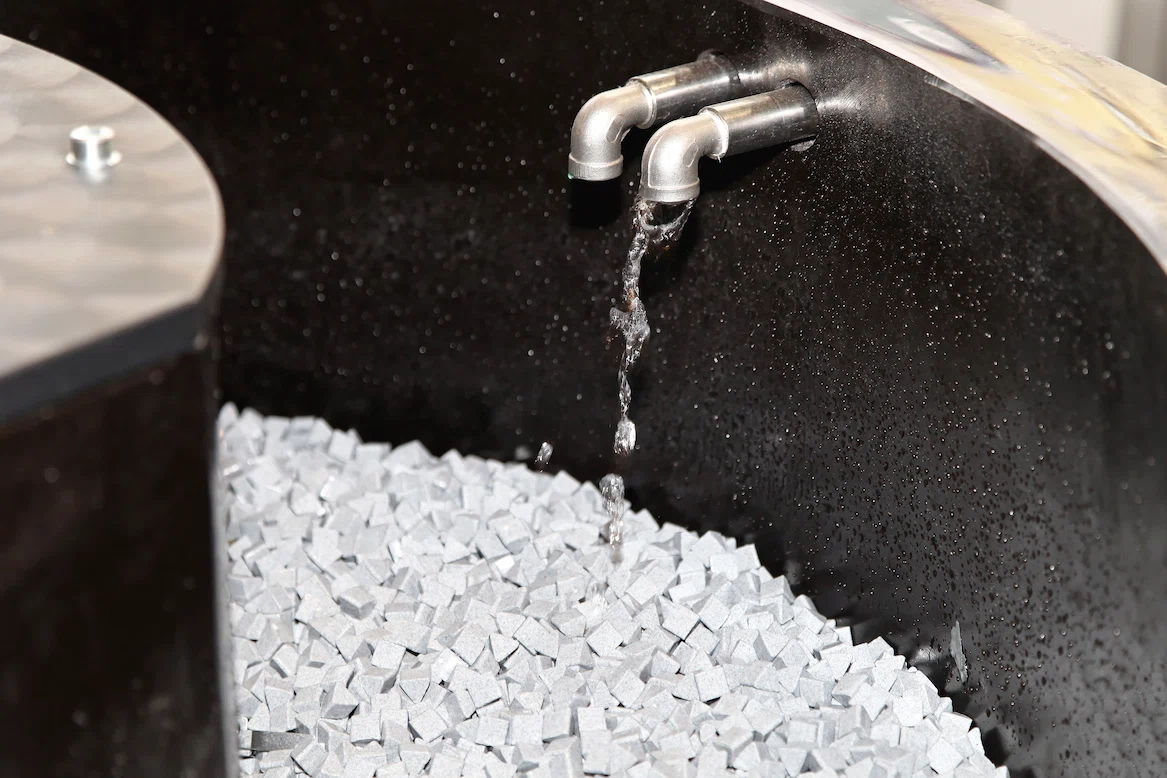
Vibrating shaker
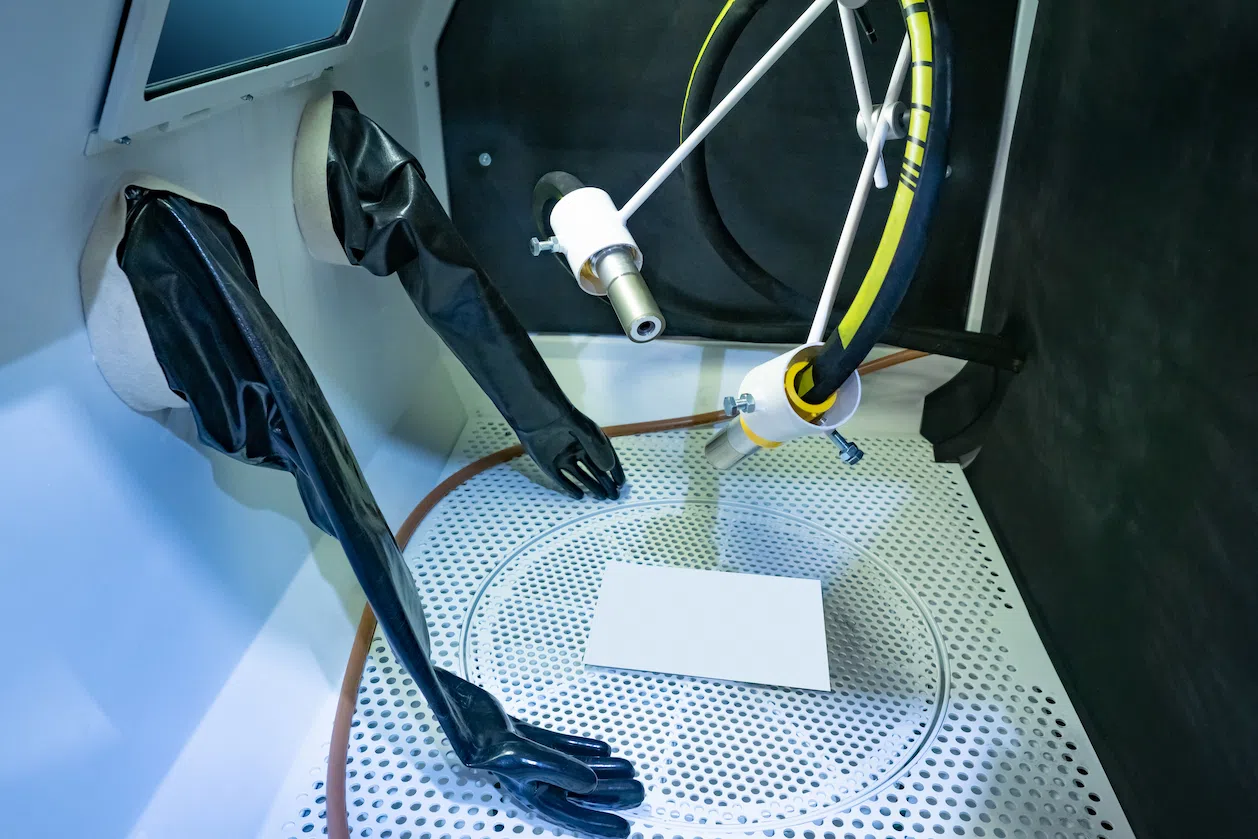
Glass blasting of metal
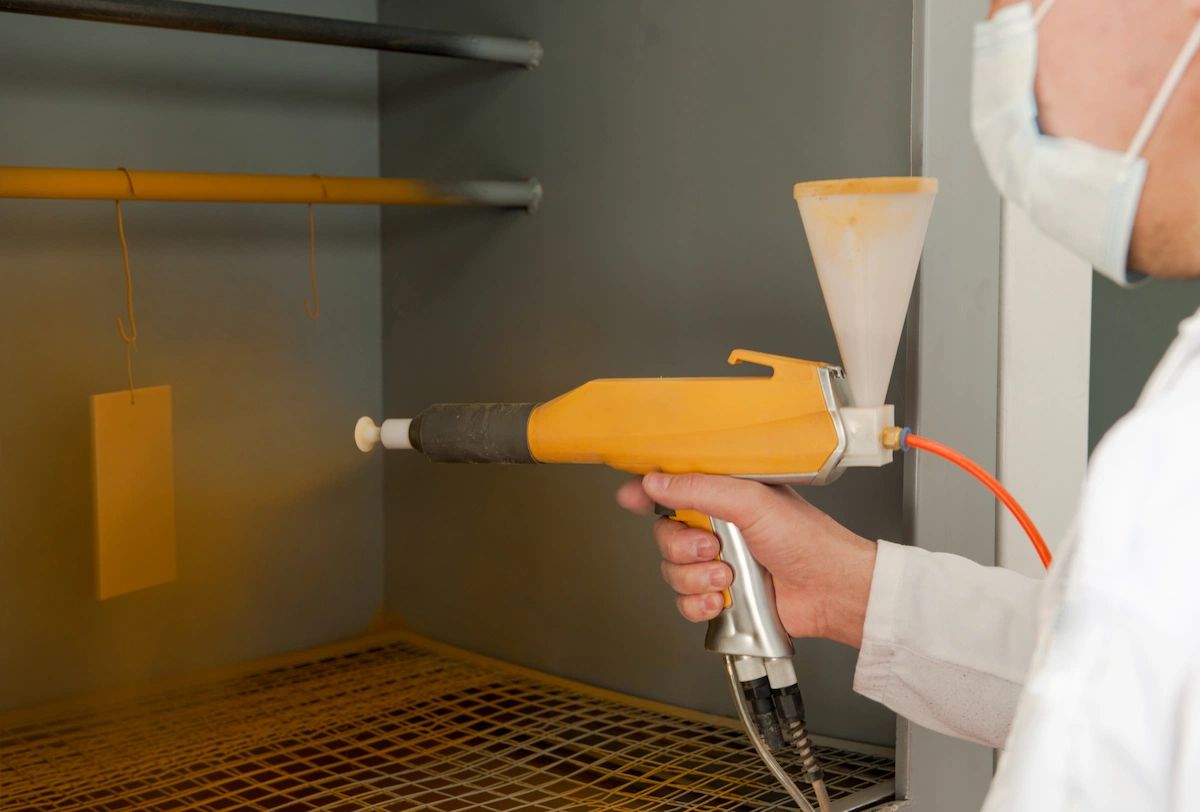
Cerakote (ceramic coloring)
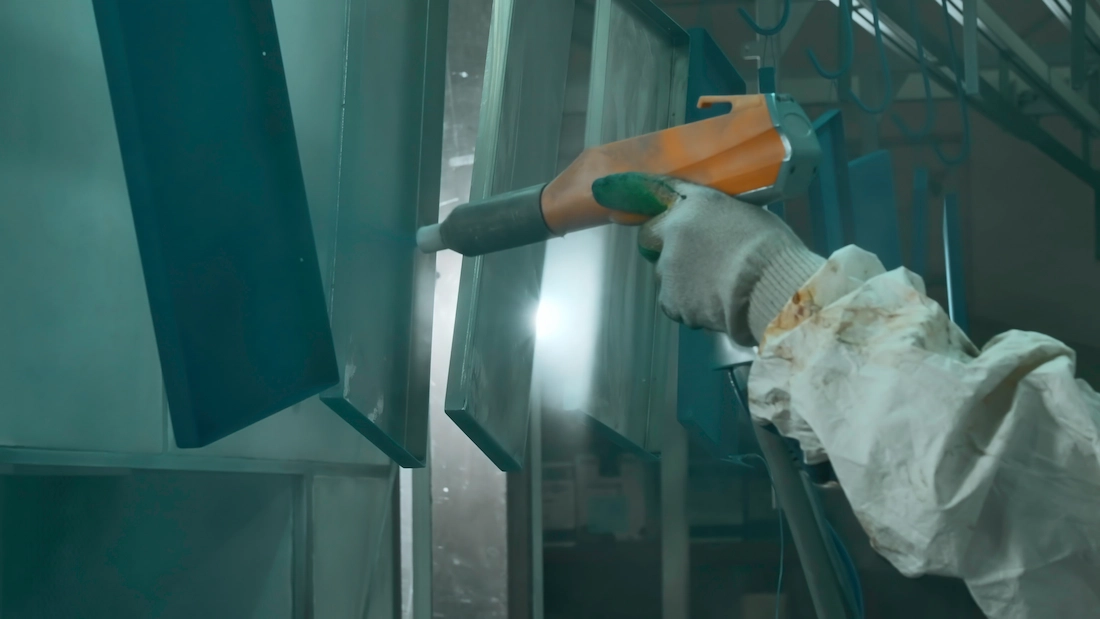
Powder coating
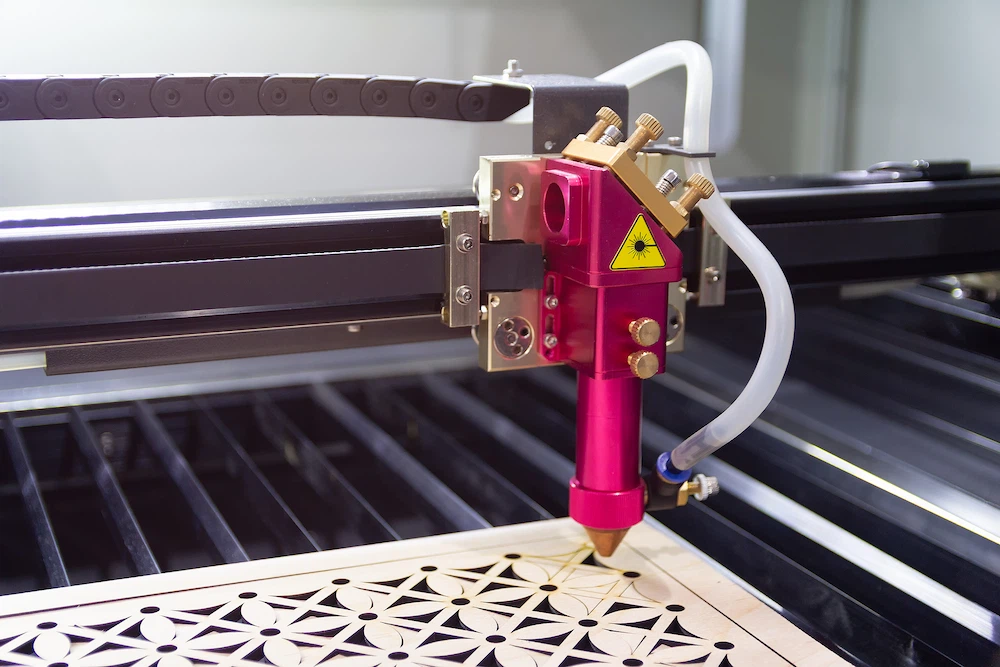
Laser cutting of non-metals
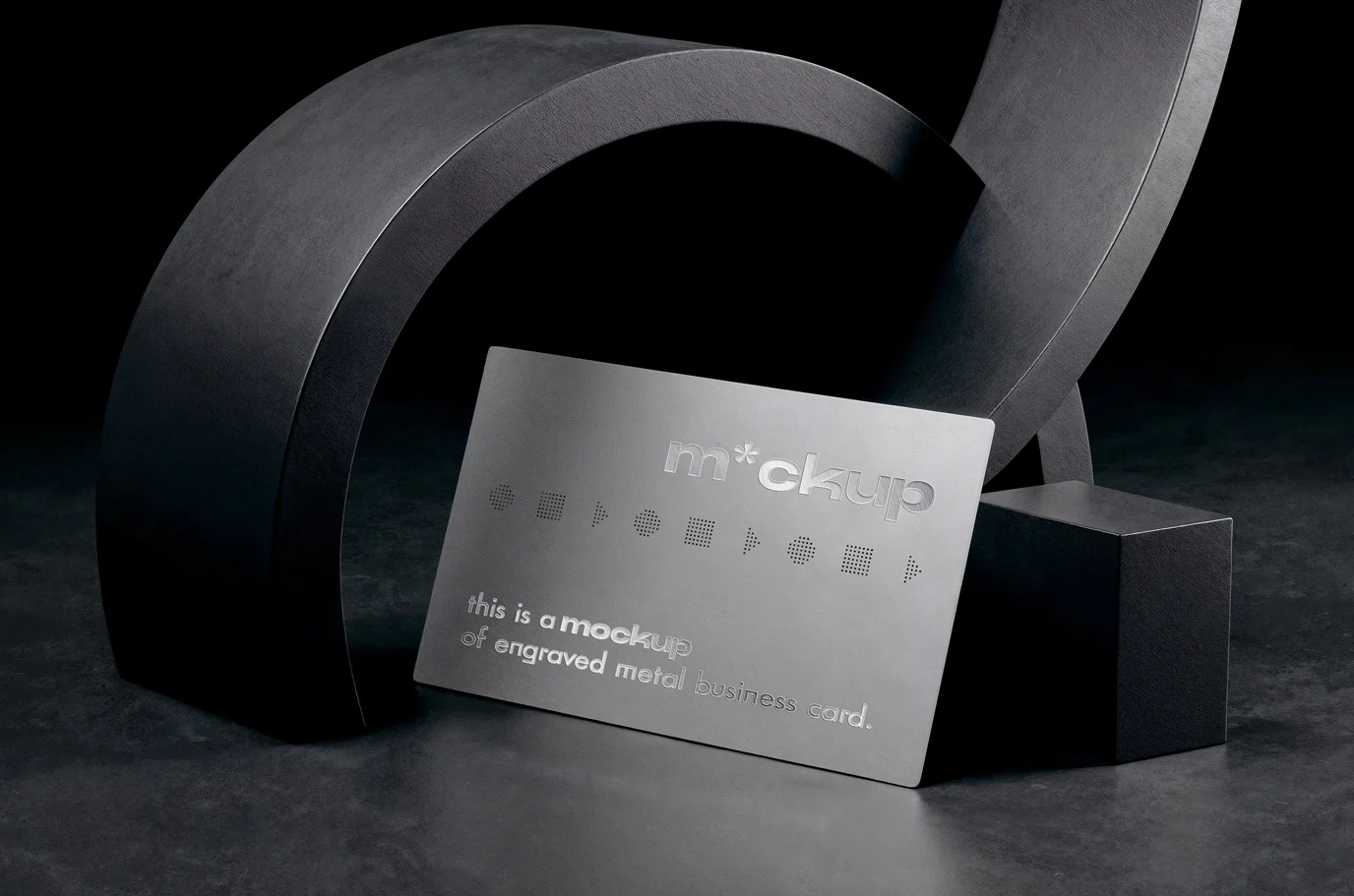
Laser marking of metals
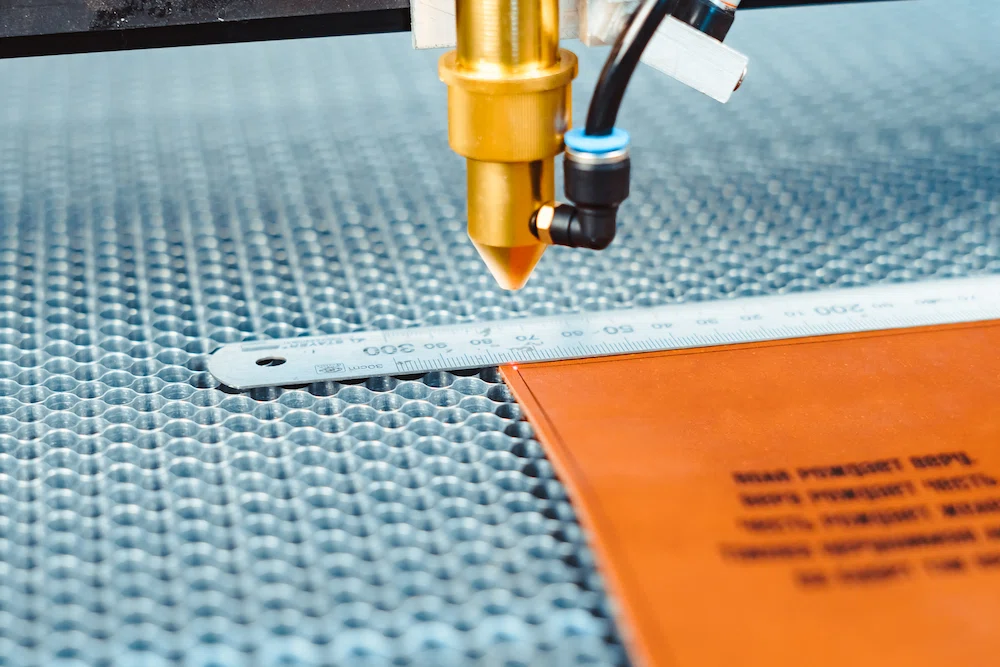
Laser engraving of non-metals
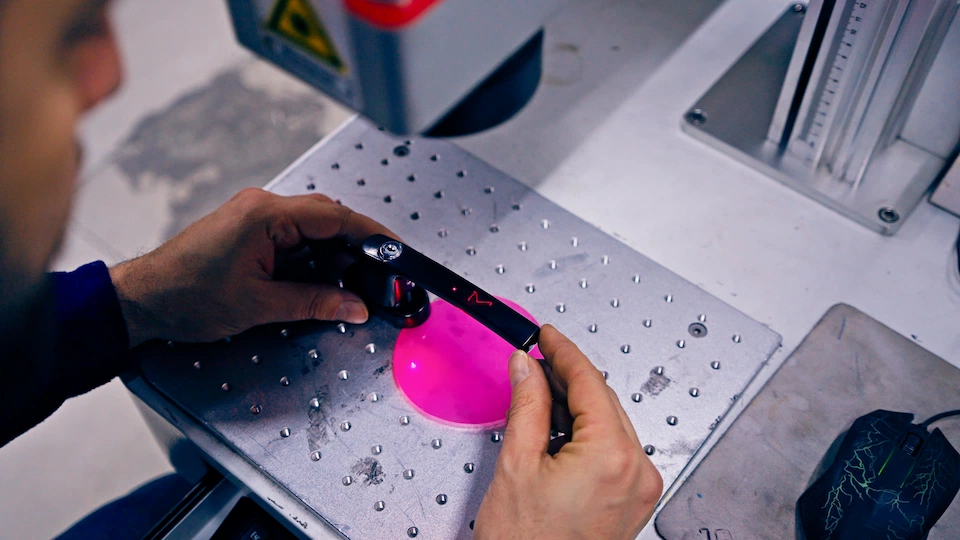
Laser engraving of metal