
Laser engraving of non-metals
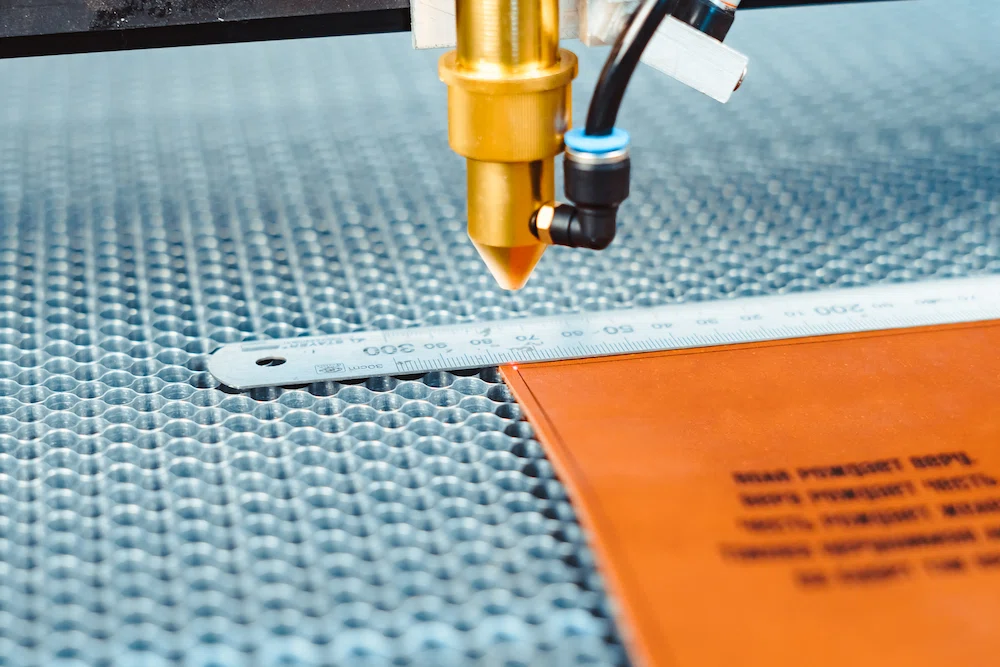

What is laser engraving of non-metals?
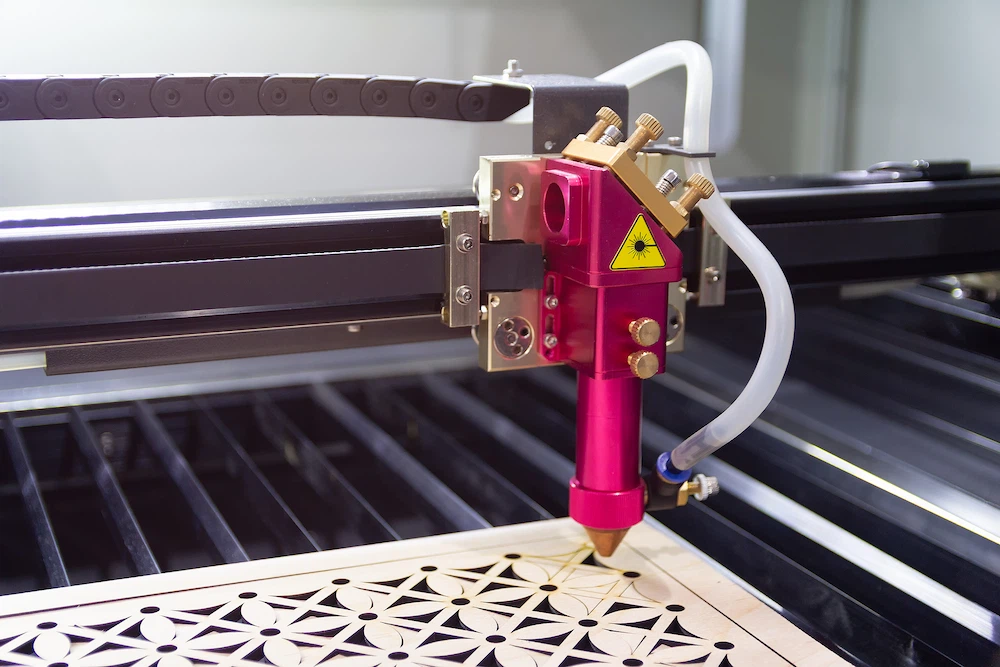
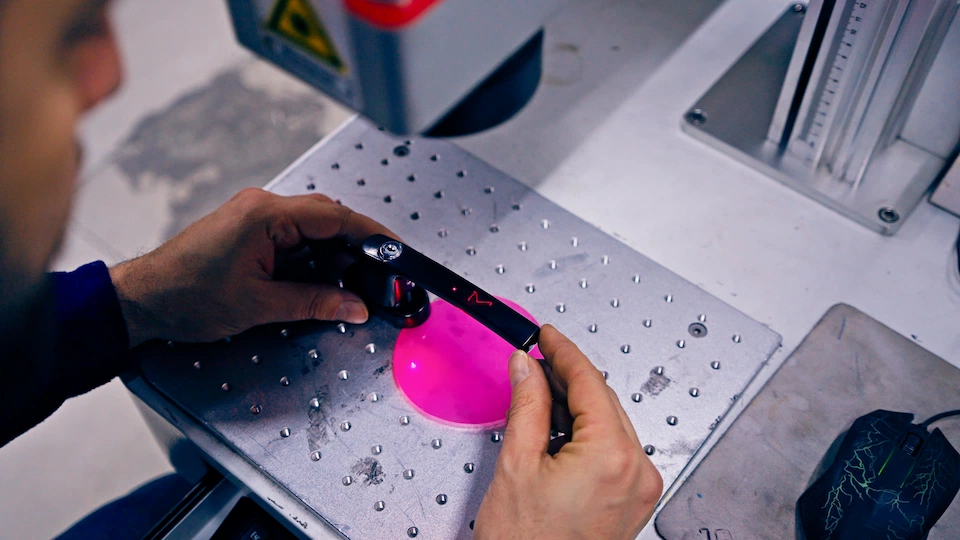
Laser engraving is used wherever precision, clean edges, and neat results are required without machining. The gas laser works with non-metallic materials, allowing you to apply inscriptions, images and markings without contact with the surface.
The image is formed by the local impact of the beam on the upper layer of the material. The lines are clear, without breaks or melting. Contrast is maintained even with small details, which is important for technical markings or decorative elements.
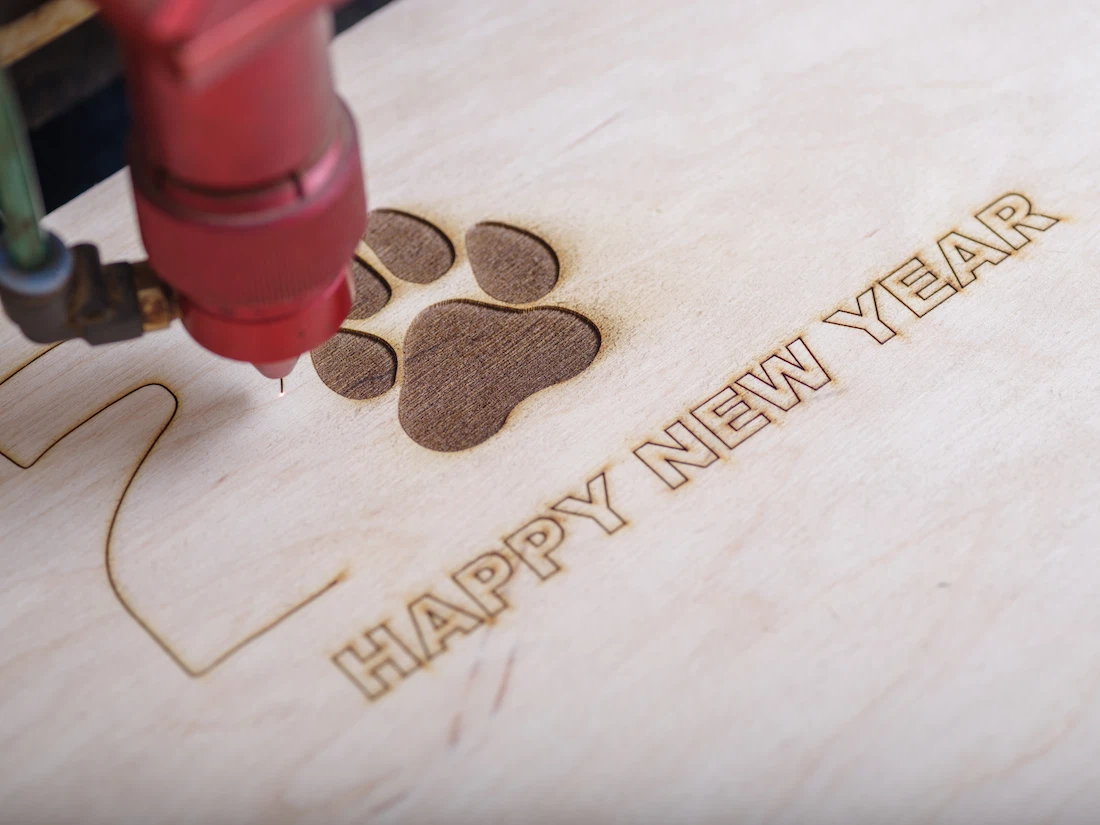
What materials does the laser work with
Gas lasers are effective for processing non-metals. Most often it is:
-ABS plastic
-Wood and plywood
-Plexiglas
-Silicate glass
-flock
-leatherette,
-Painted metals and composite materials.
Each material has its own reaction to the laser, so the processing parameters are selected separately. This allows for a uniform depth and a neat edge without charring or excessive overheating.
Capabilities of our equipment
We use professional equipment with high resolution, which allows us to reproduce complex graphics and technical elements with an accuracy of up to 1000 dpi.
Engraving is possible both on large-format flat workpieces and on products with complex shapes. The processing of bodies of revolution – cylindrical and conical surfaces – is available.
This flexibility allows you to work with signs, license plates, badges, decorative panels, equipment elements, nameplates, and other products.
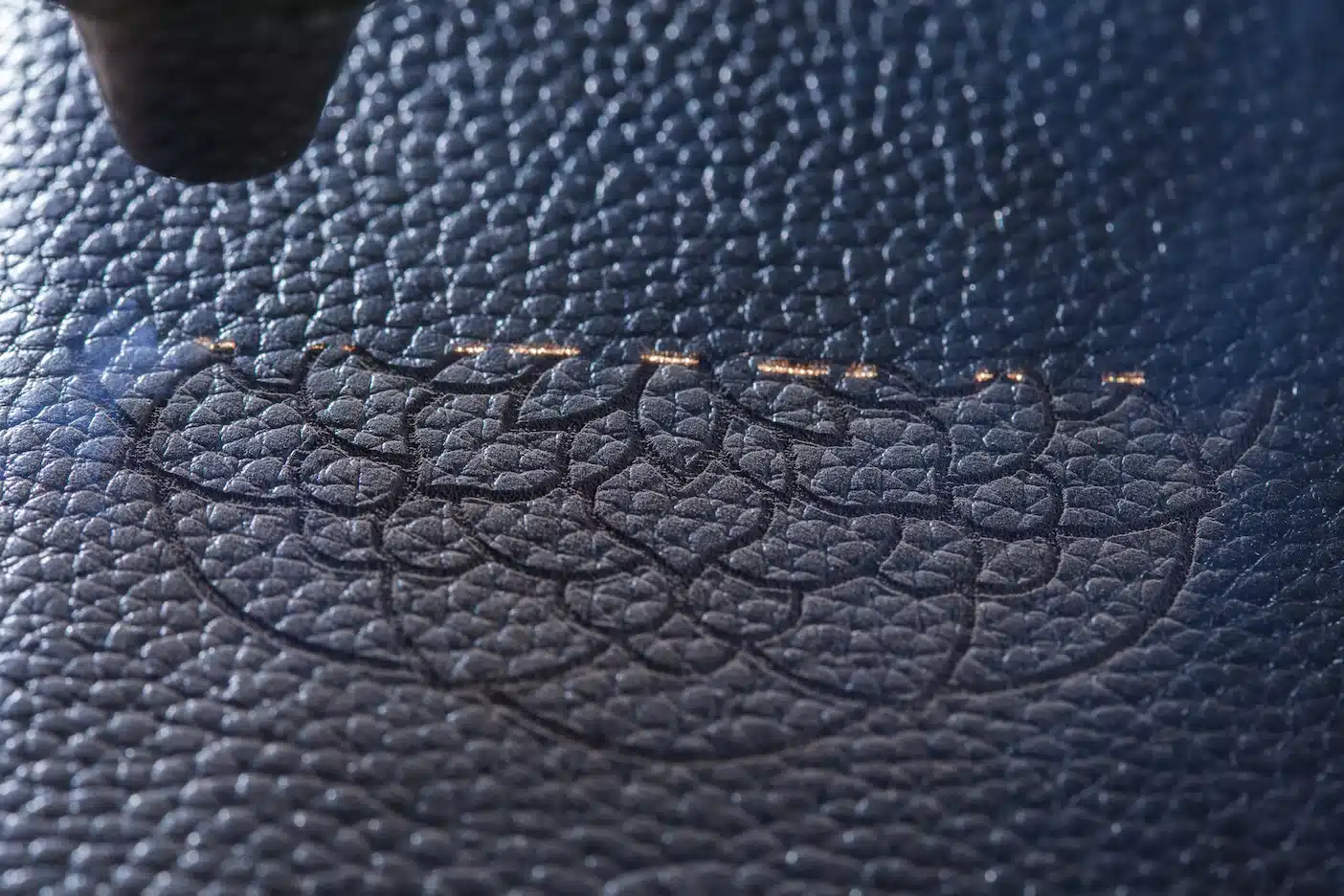
Where exactly is laser engraving of non-metals used?
Laser engraving is used in the production of information plates, souvenirs, interior decorative elements, technical markings, and instrumentation parts. The technology is suitable for both single orders and serial batches.
Engraving does not require further processing, as the image is formed directly in the material structure. This shortens the production cycle and allows you to maintain consistent quality in repeat orders.
Engraving with Criox
The laser allows you to work with various materials – from acrylic to wood – without losing detail. But the result depends not only on the equipment but also on how the process is set up.
We evaluate the task before starting: format, depth, contrast, requirements. After that, we determine the parameters and only then launch production. This approach avoids experiments on finished products.
Send us a mockup or a brief description of the task – we will prepare a technical response with specific deadlines and costs.
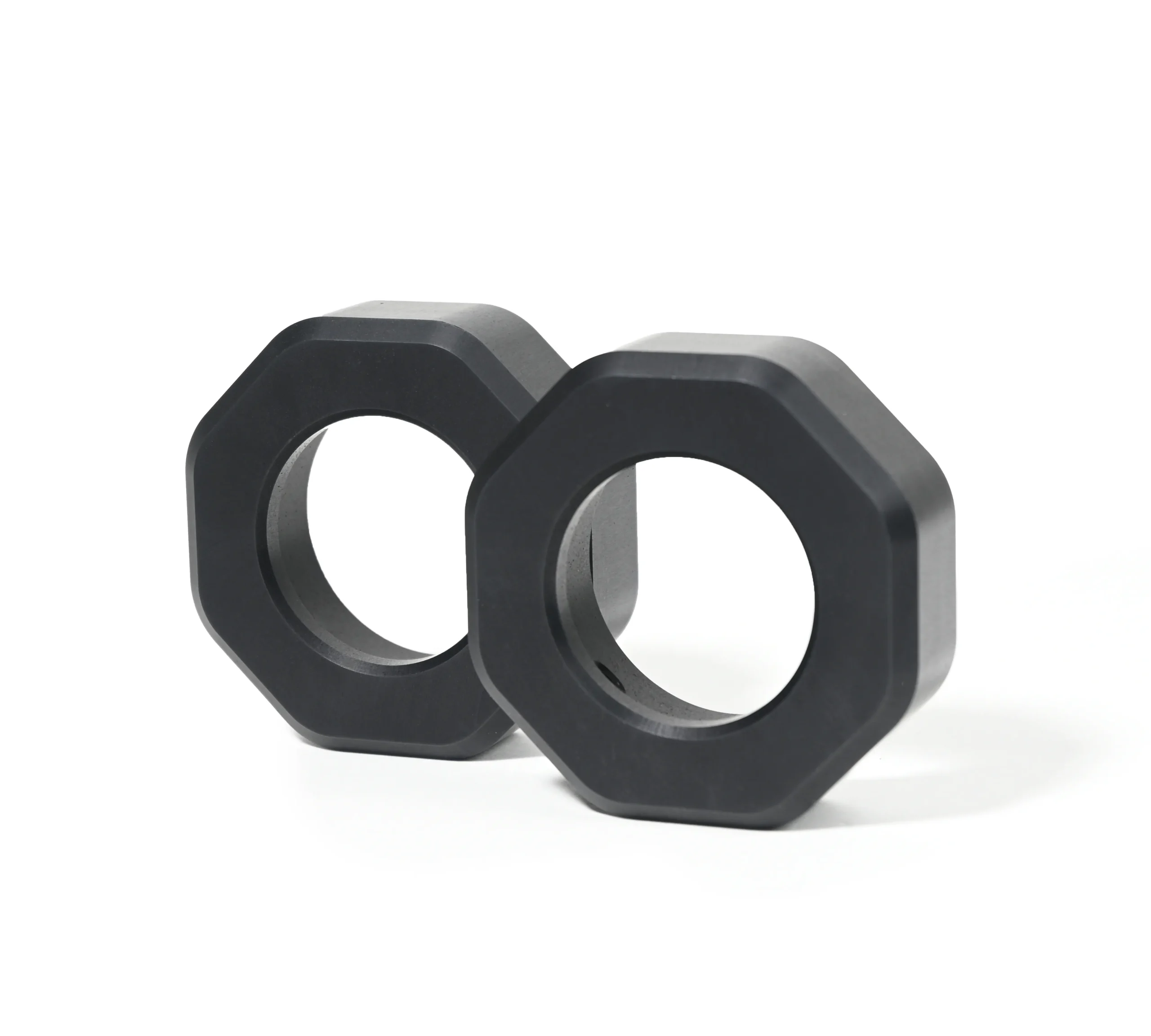
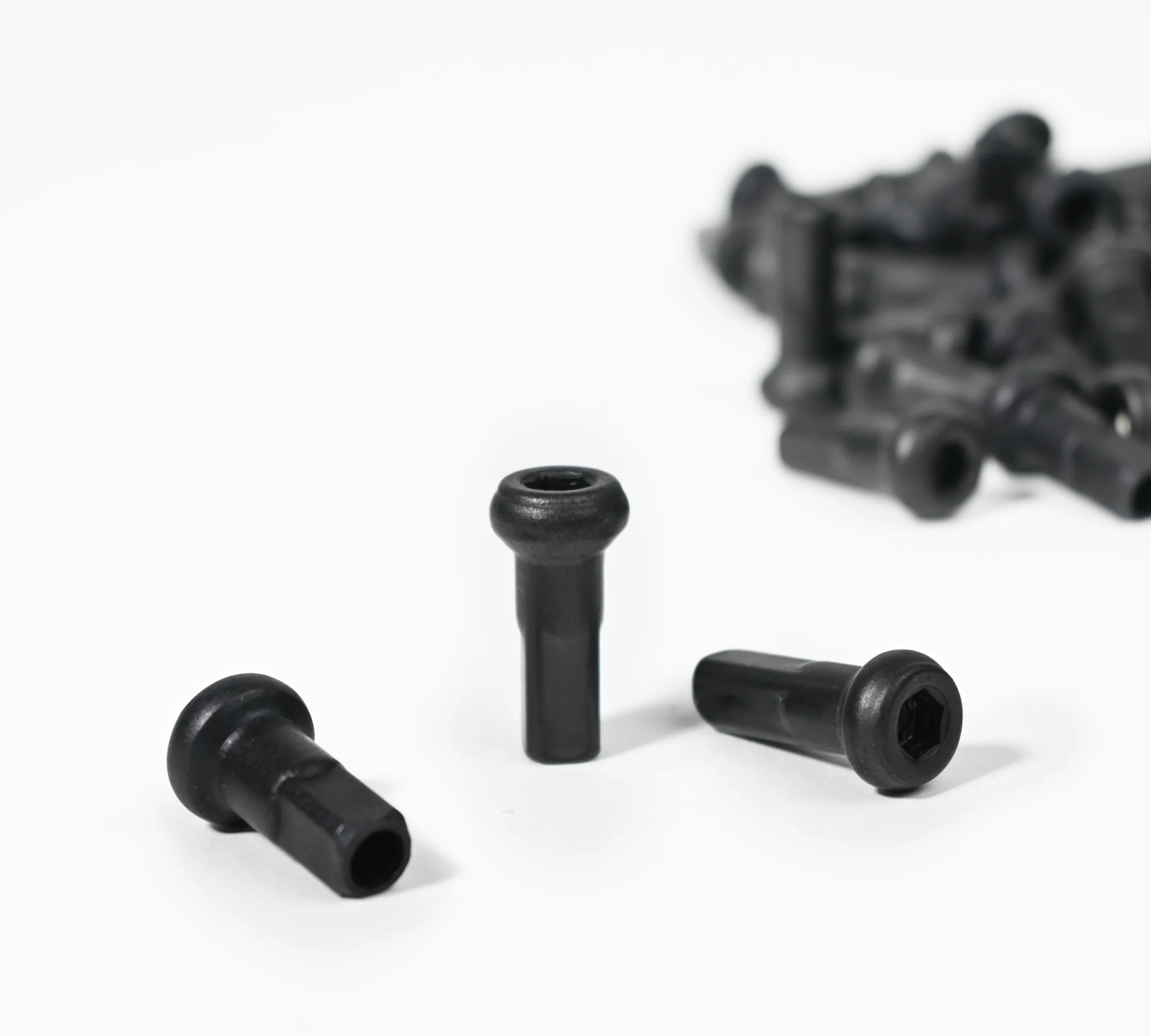
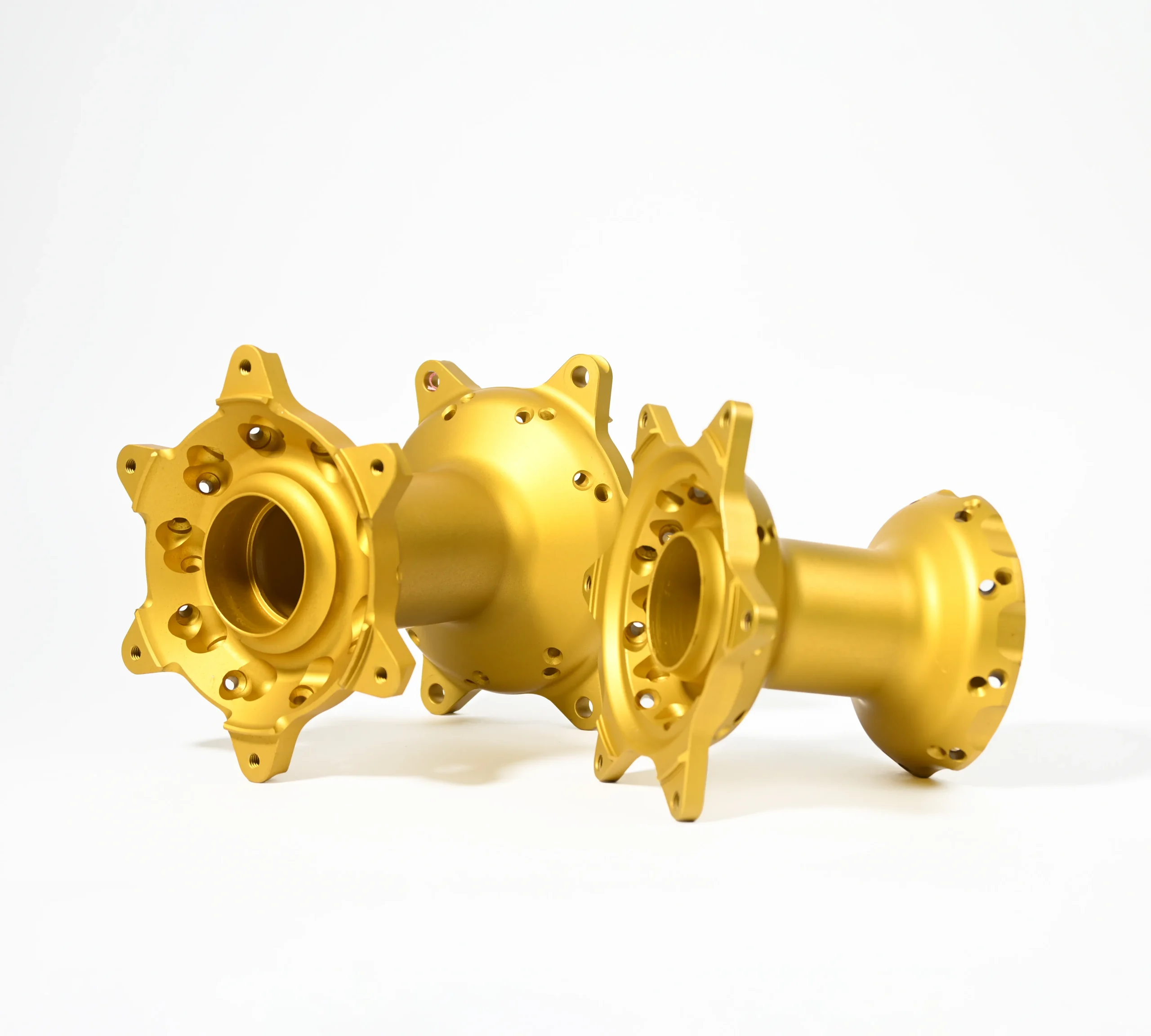
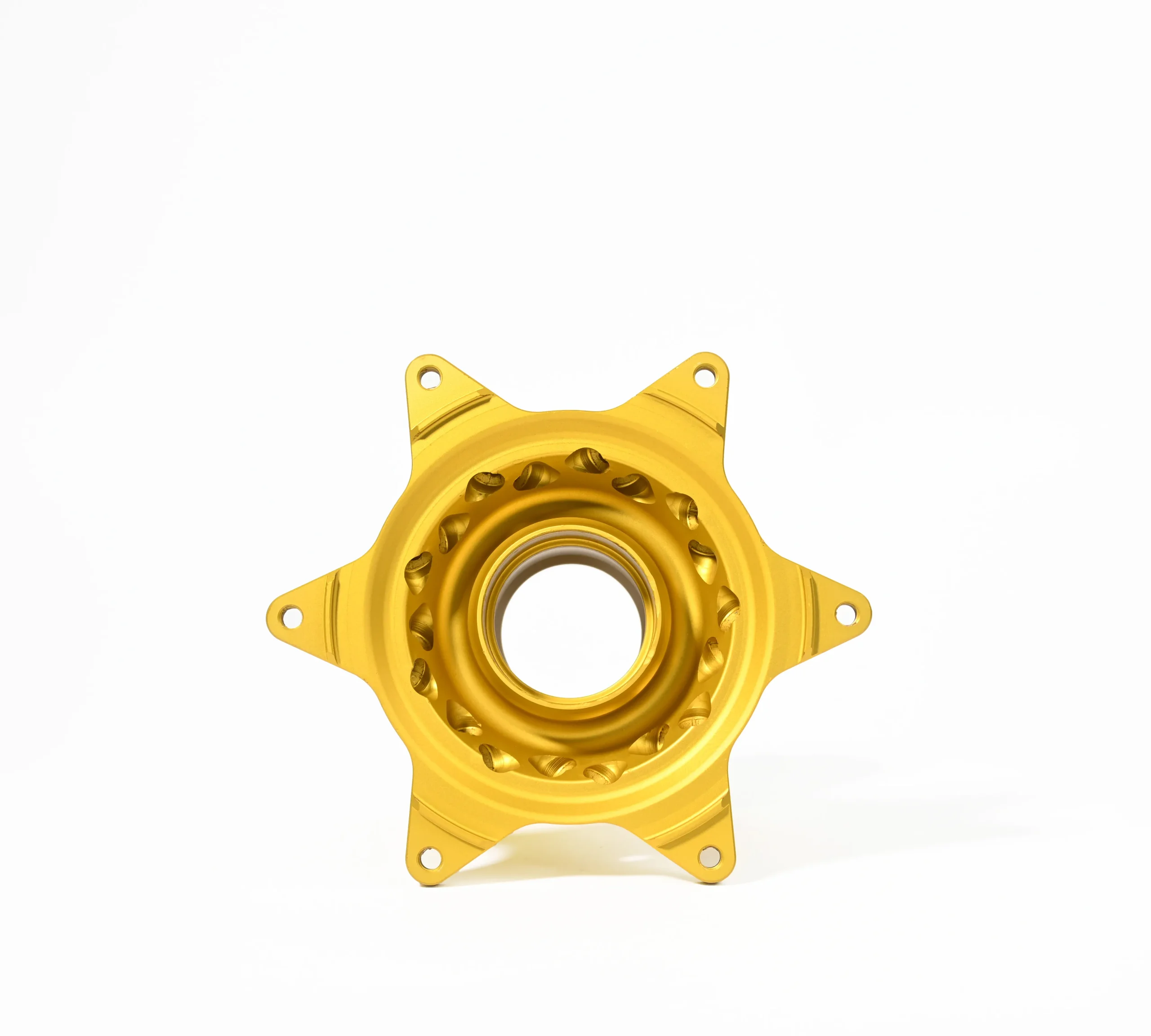
The works we are most proud of The works we are most proud of
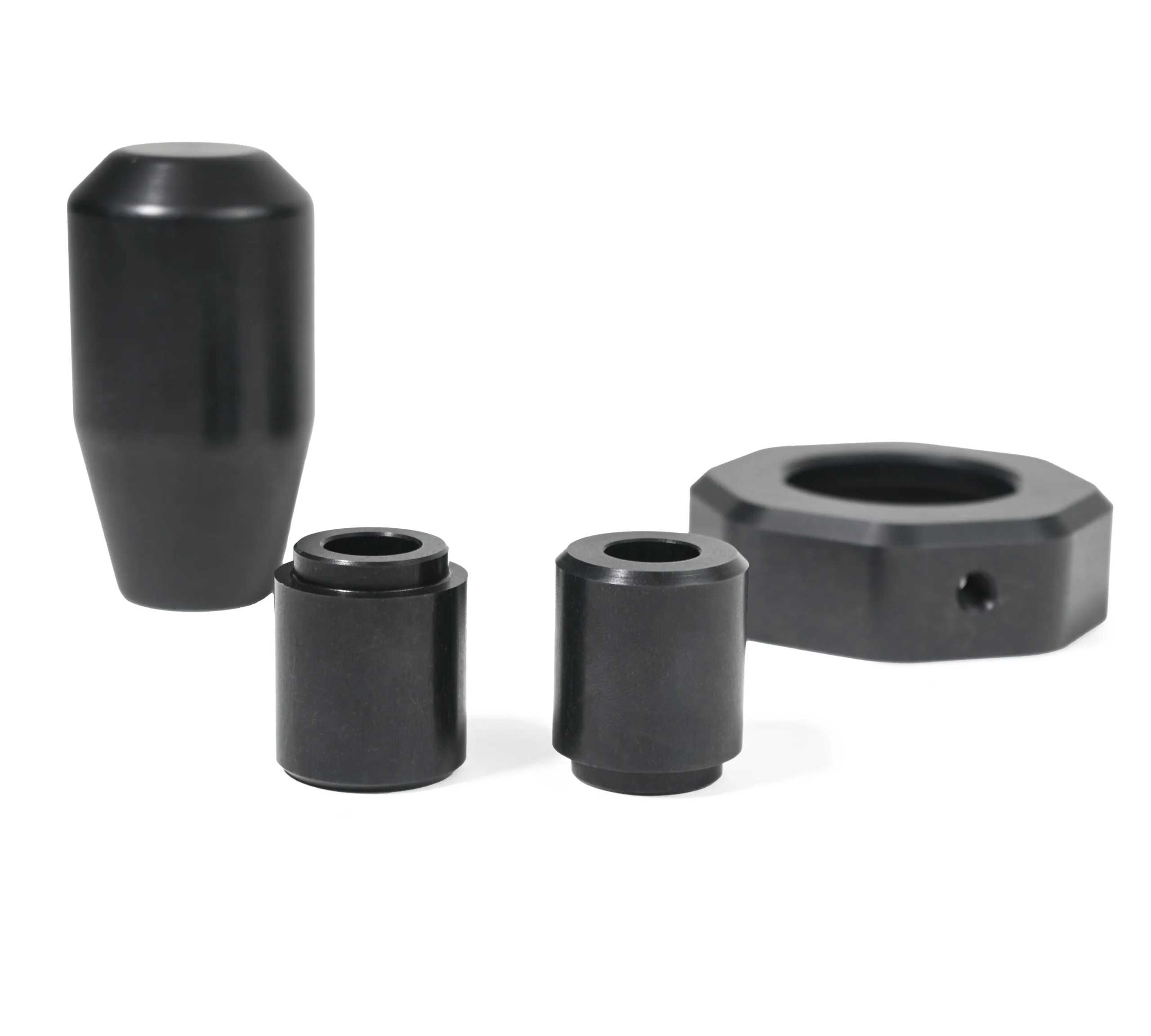

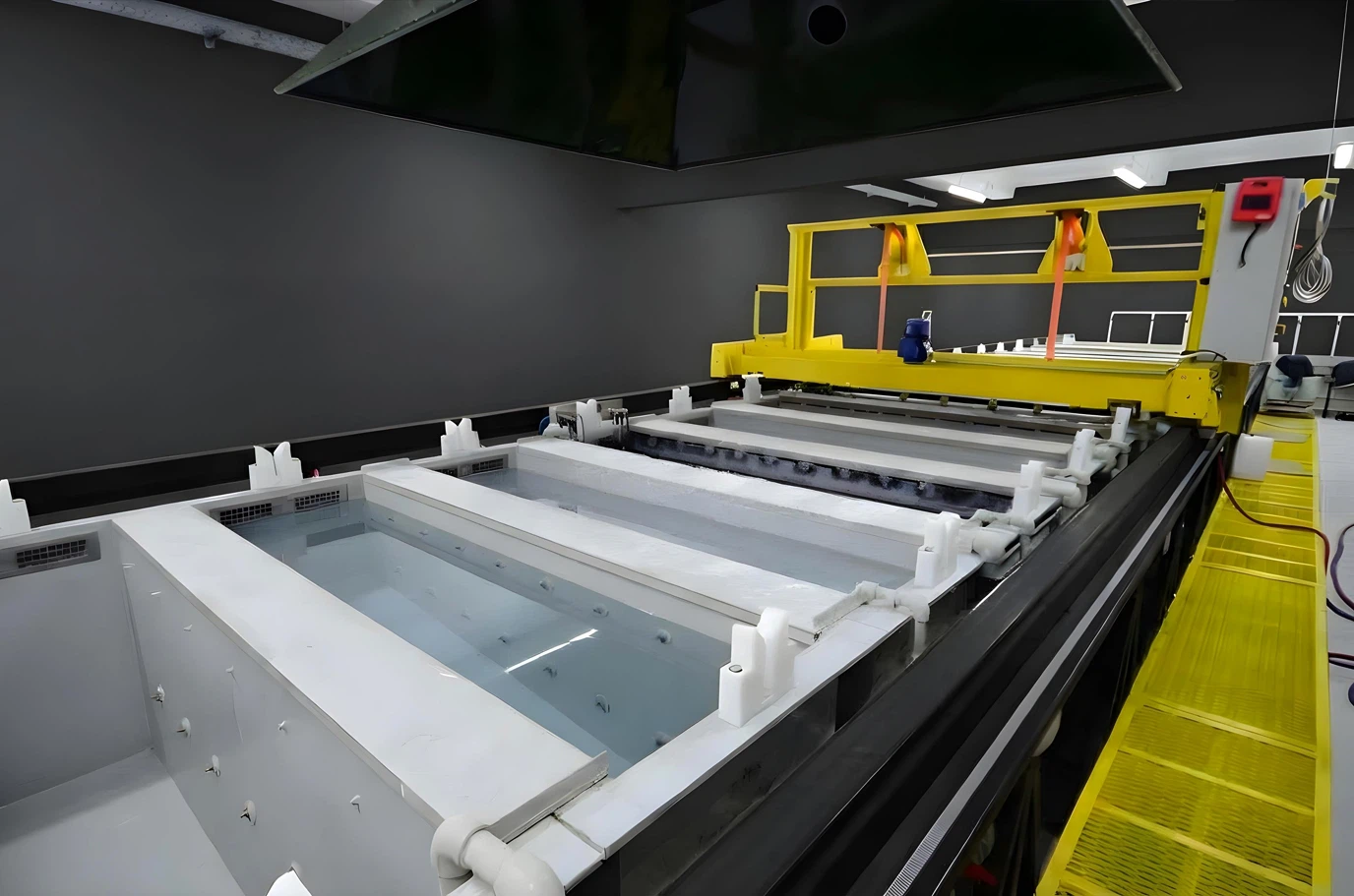
Passivation of metal
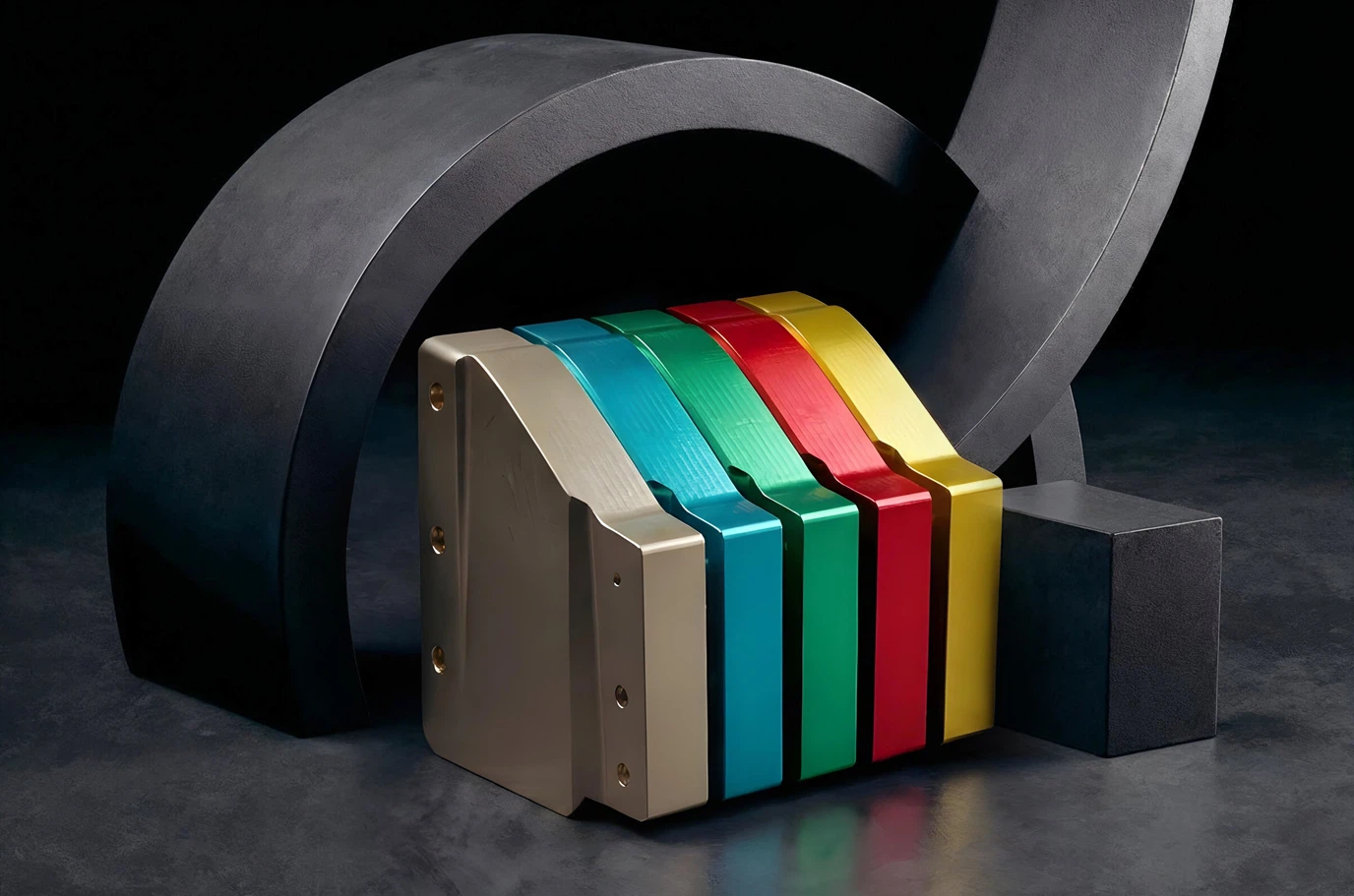
Color anodizing
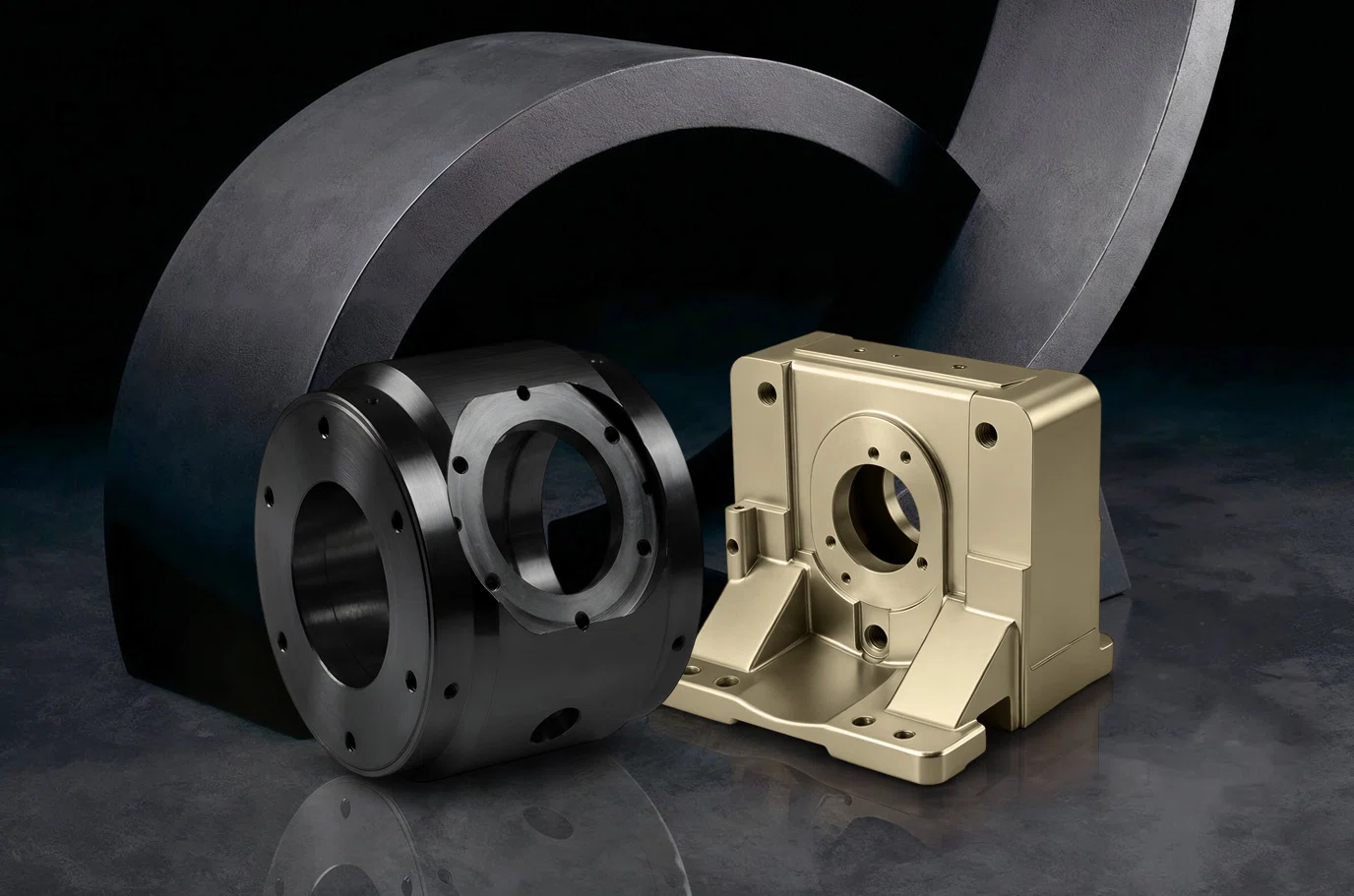
Hard anodizing
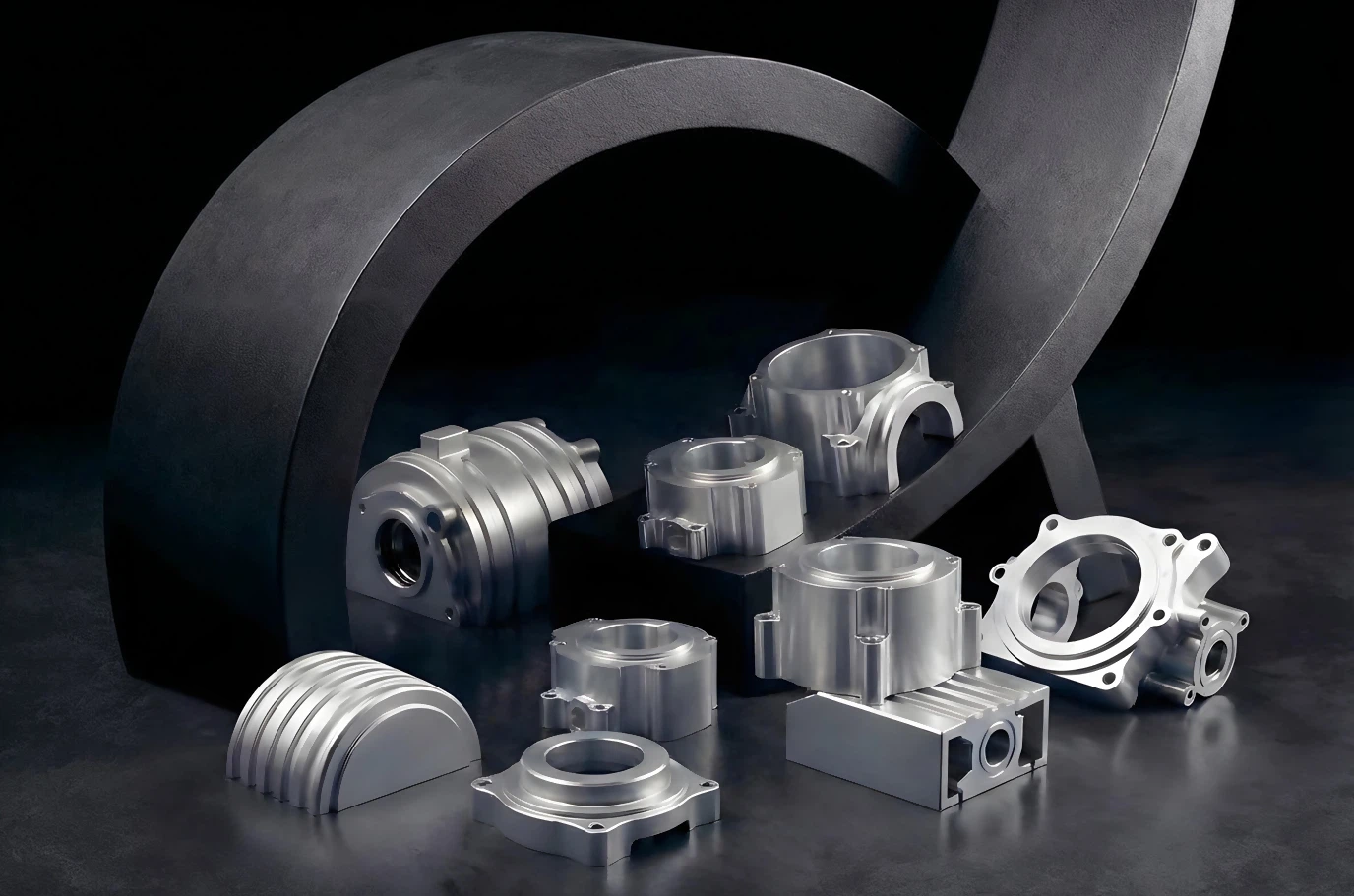
Aluminum Anodizing
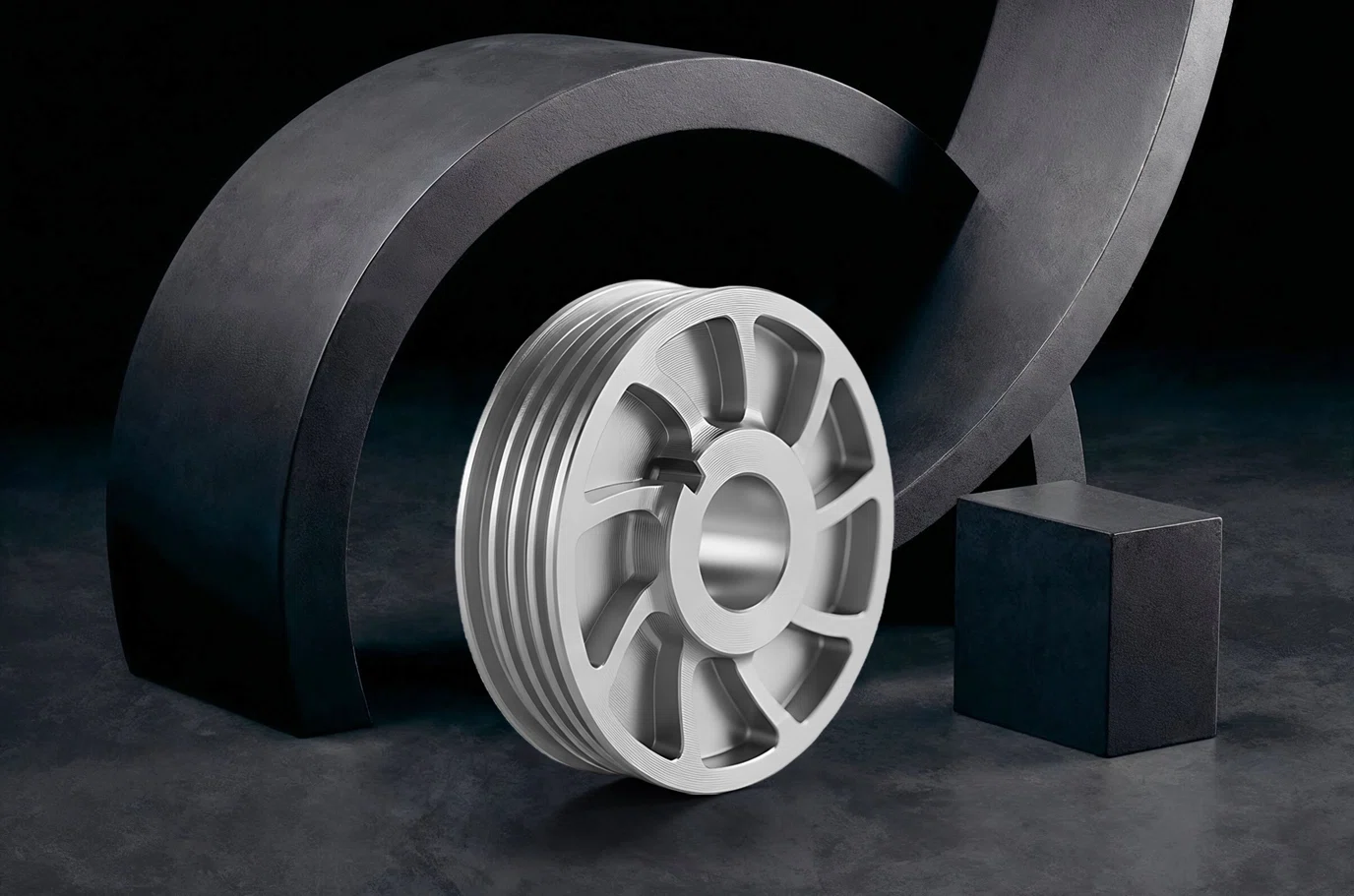
Colorless anodizing
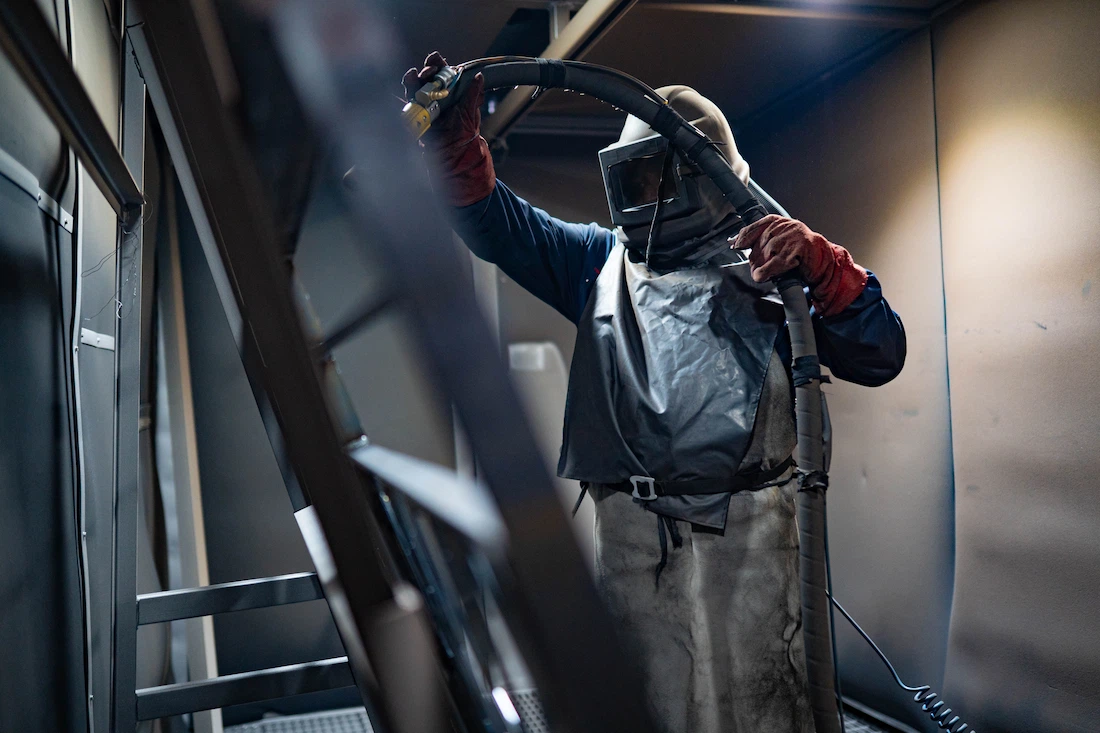
Sandblasting of metal
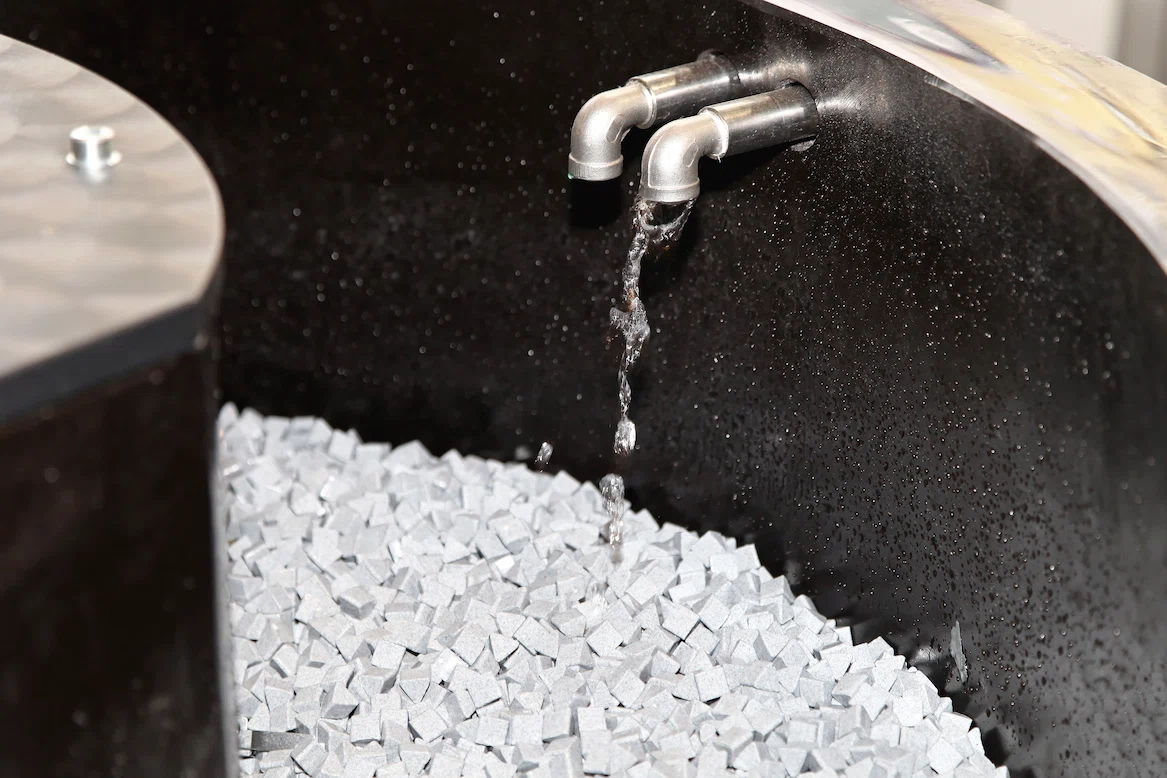
Vibrating shaker
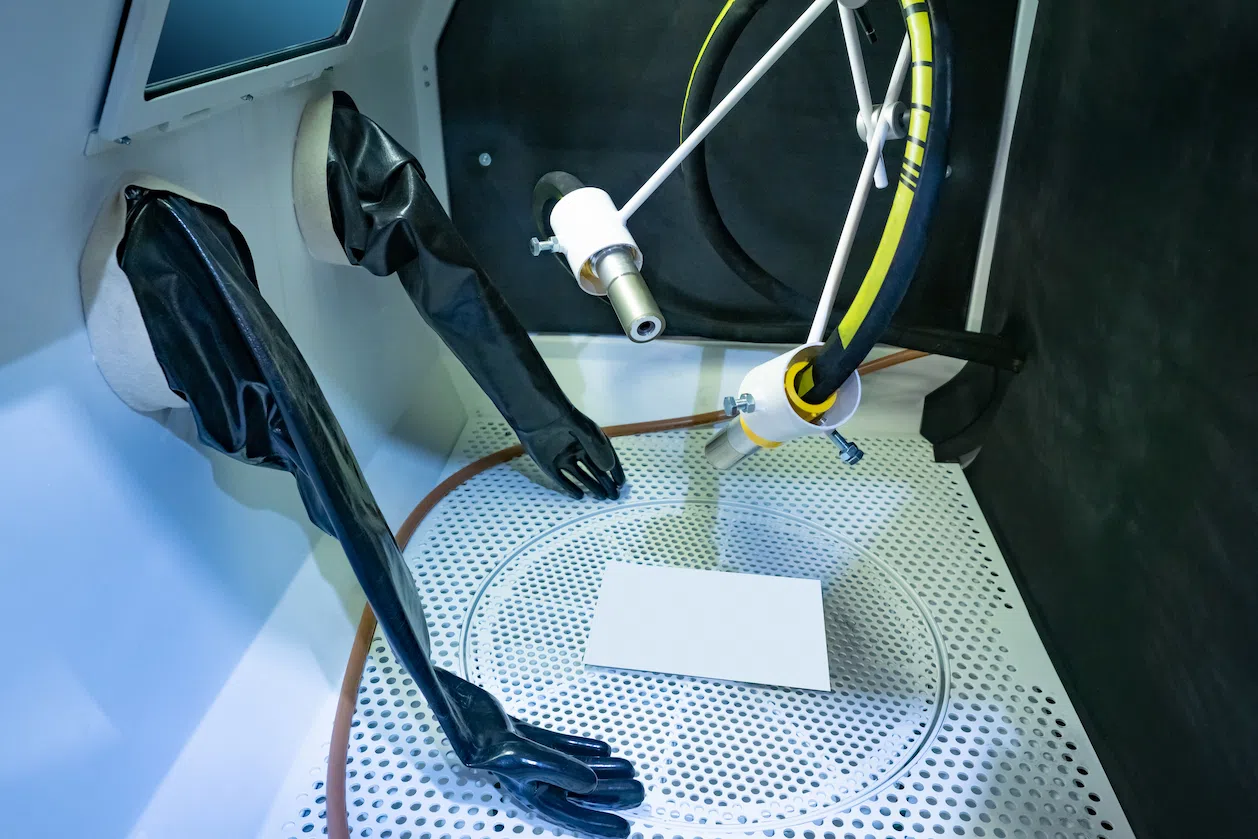
Glass blasting of metal
Cerakote (ceramic coloring)
Powder coating
Laser cutting of non-metals
Laser marking of metals
Laser engraving of non-metals
Laser engraving of metal