
Vibrating shaker


What is a vibrating shaker?
After cutting, milling, or stamping, burrs, micro-irregularities, and sharp edges remain on the parts. For products with complex shapes or serial batches, manual refinement is ineffective. In such cases, vibratory peening is used, a technology that provides a uniform finish without loss of geometry.
The method is suitable for parts with a large number of small elements, internal radii, or complex contours where consistent quality is required on every part.
How the process works
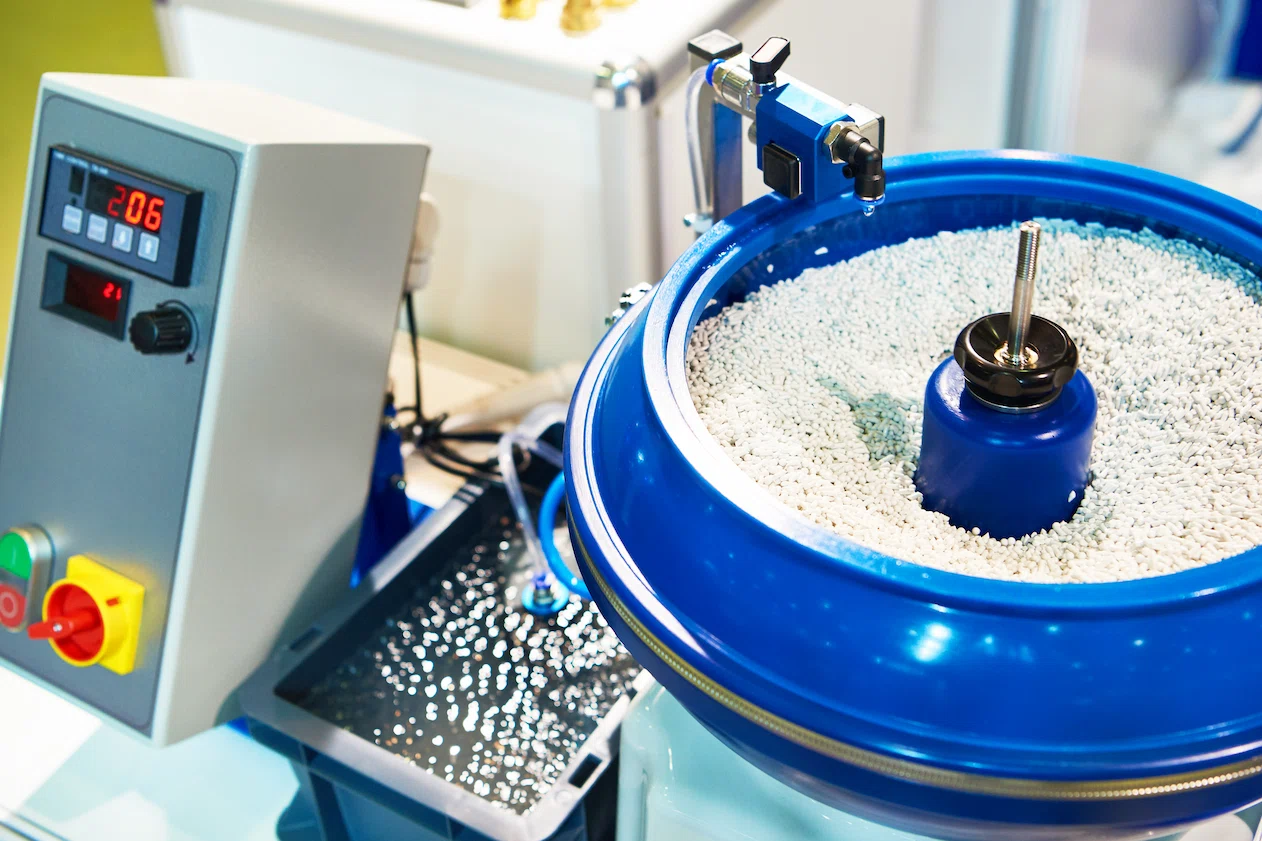
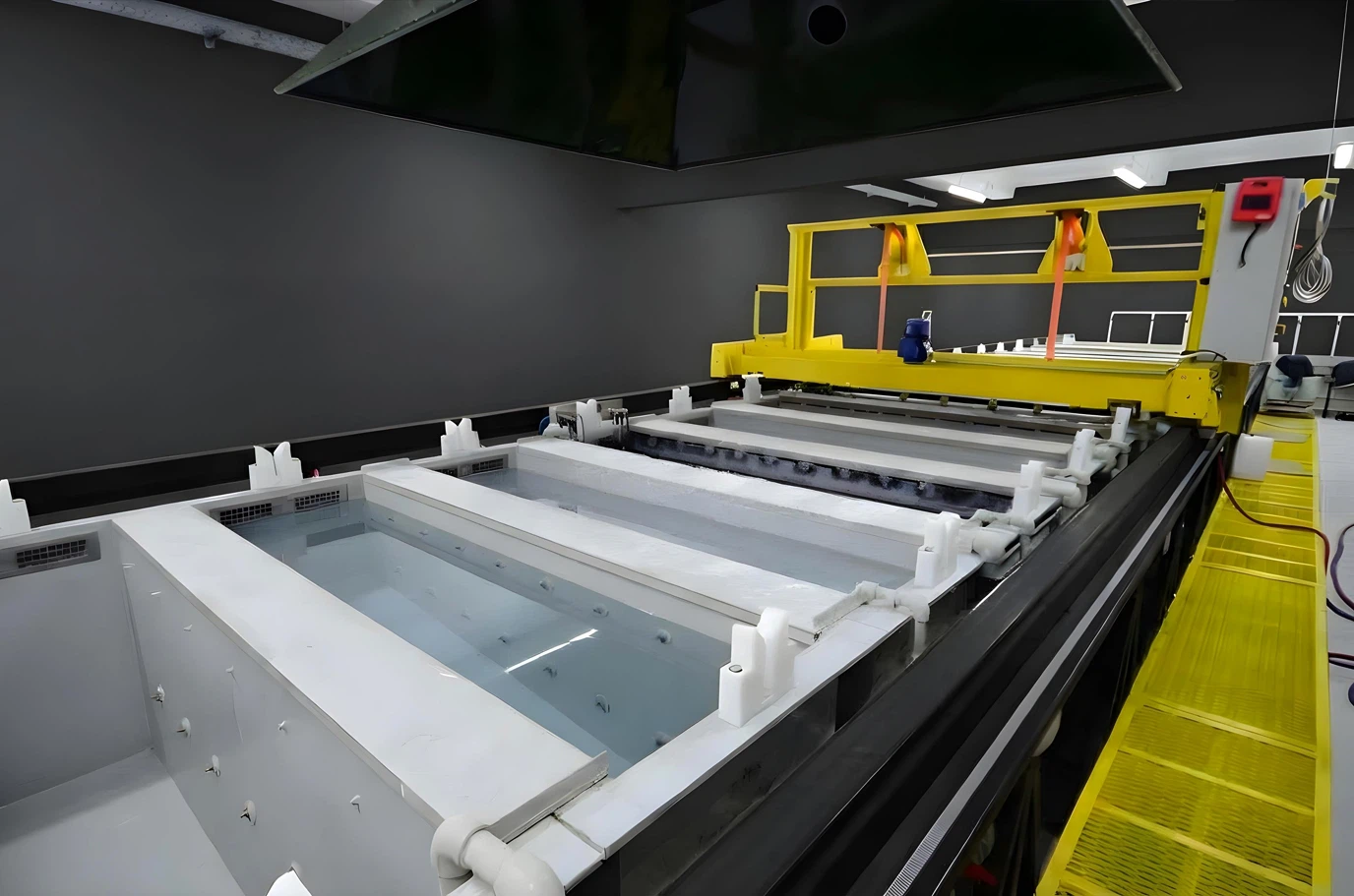
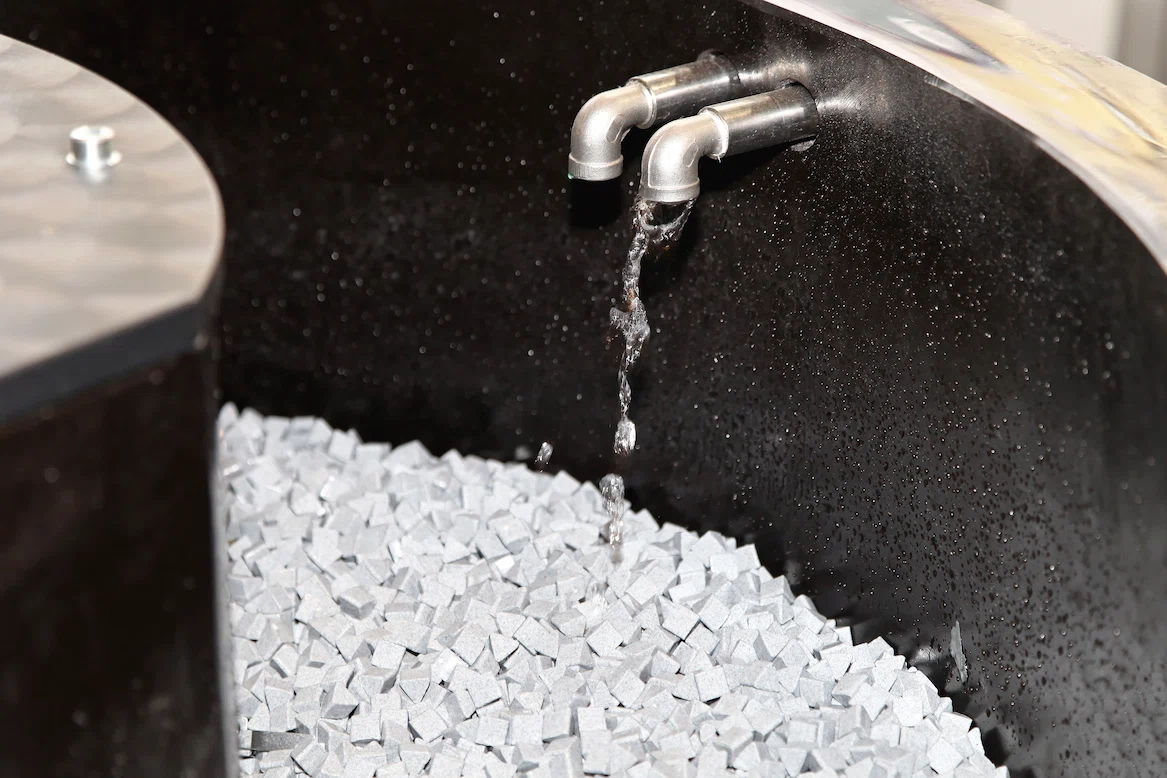
A wet vibrating plate is used in the process. The parts, along with the abrasive bodies, are placed in a bath, where they constantly interact with each other under the influence of vibration. As a result, micro-irregularities are removed and edges are smoothed.
A buffer solution is added to the process, which simultaneously washes away the processing products and prevents re-contamination of the surface. This approach allows for a clean and predictable result without aggressive impact on the material.
What effect does the customer get?
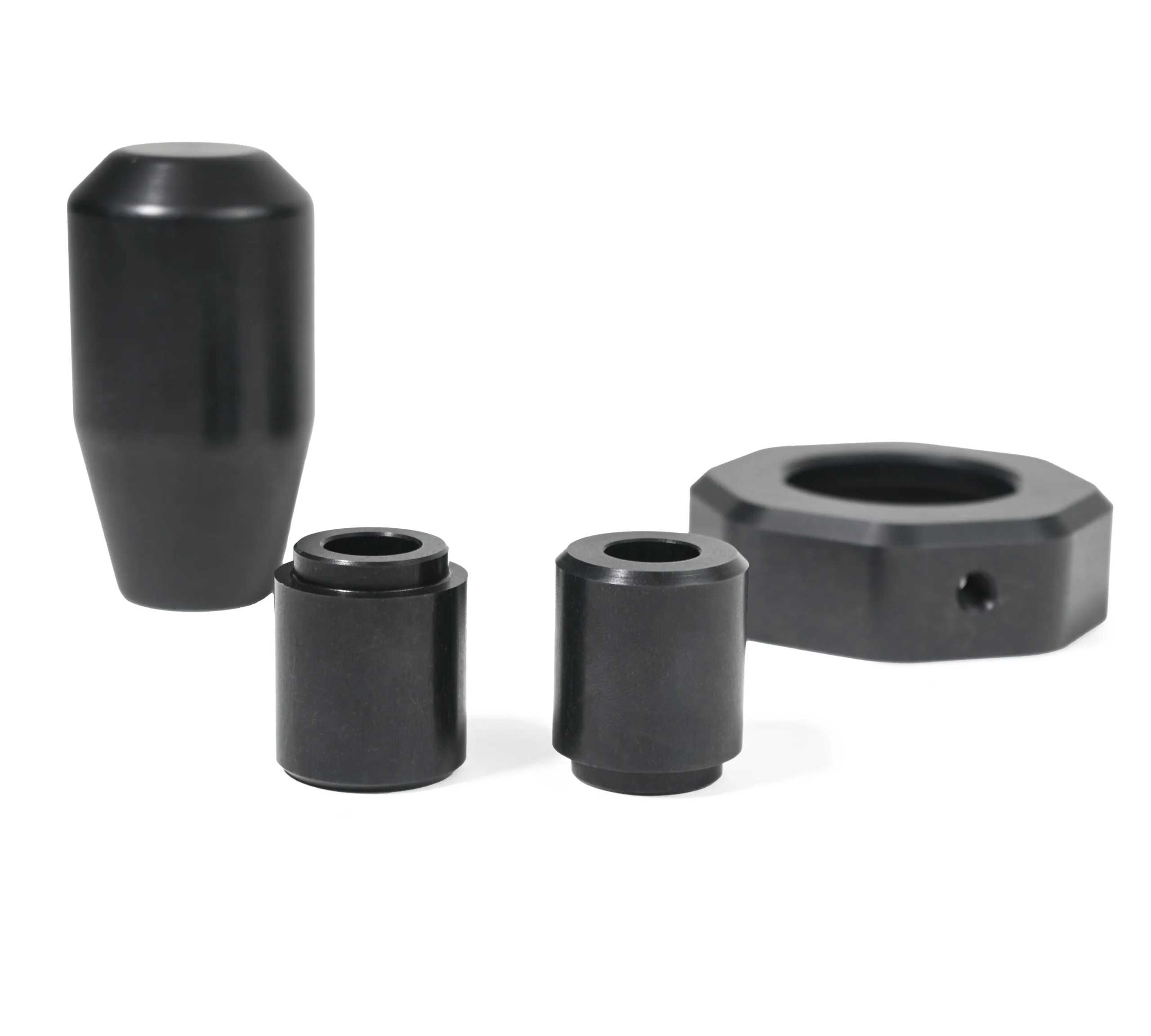
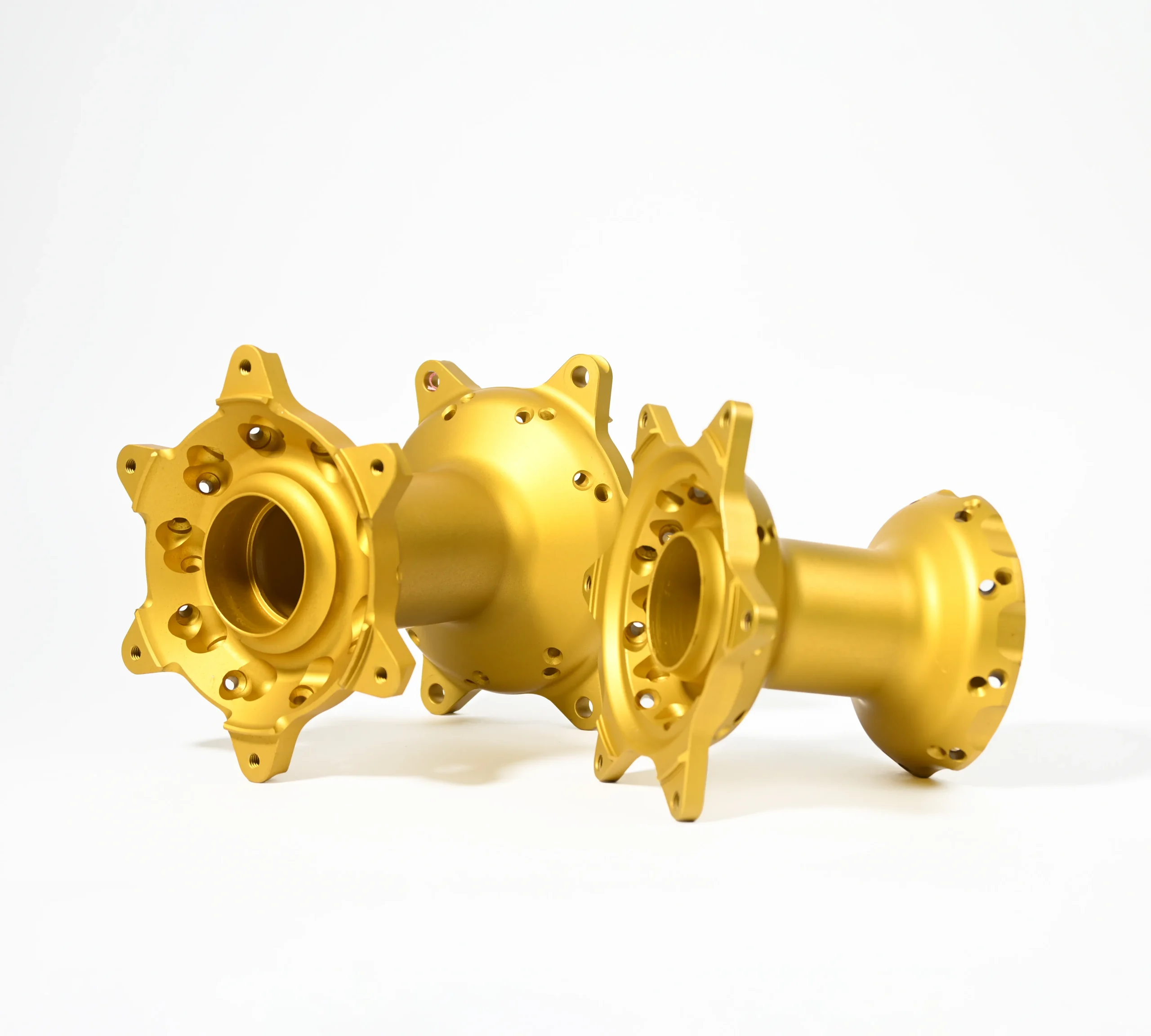
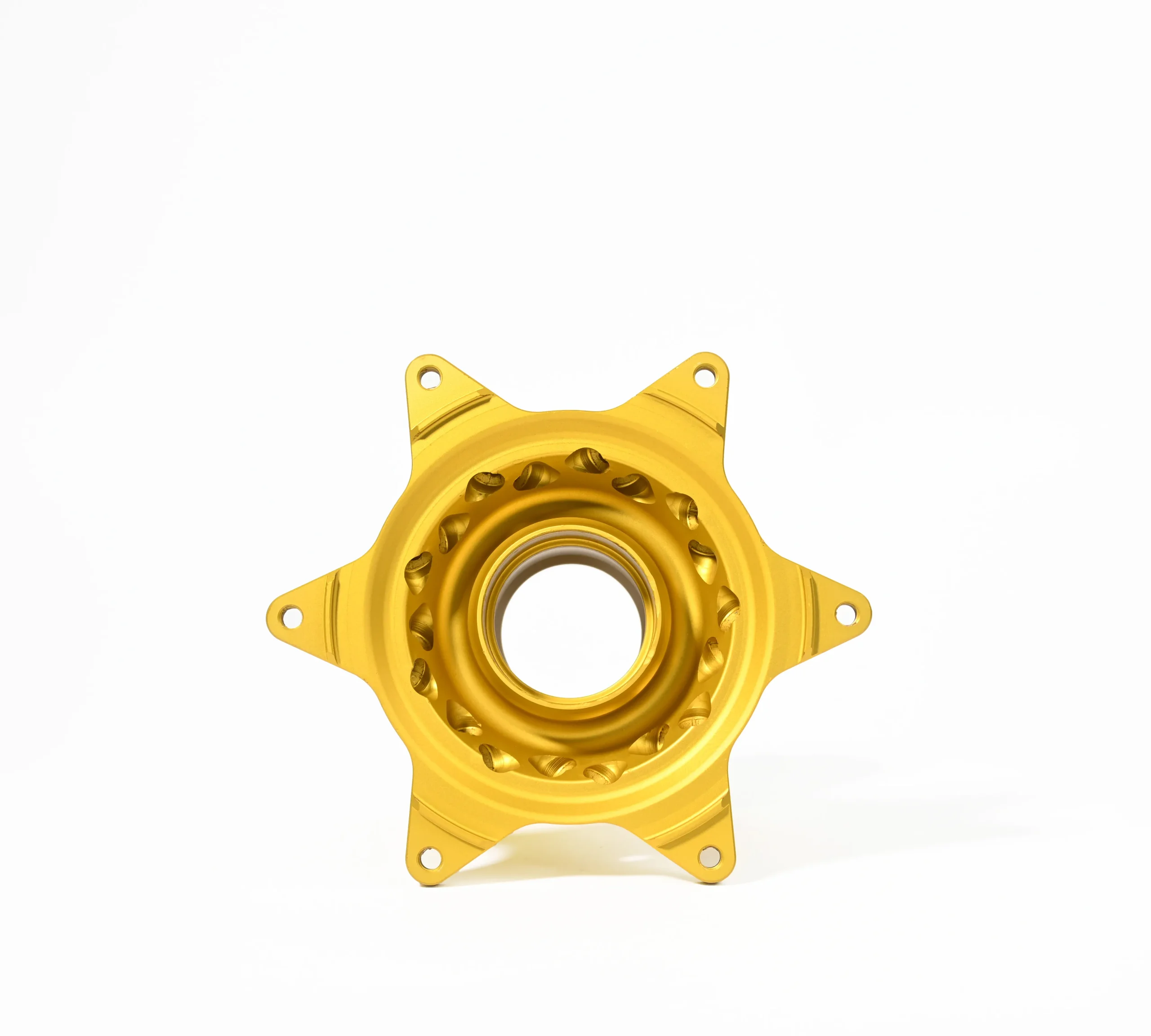
After vibratory hammering, the workpiece looks neat and uniform. Burrs are removed, sharp corners are smoothed, and an even texture is formed. The surface becomes more prepared for further operations, such as painting, anodizing, or applying protective coatings.
In mass production, this is especially important because it ensures the same look and quality throughout the entire batch.
What materials do we work with
The vibratory plate is suitable for carbon and alloy steels, aluminum alloys, brass, bronze and other hard metals. The abrasive media and mode are selected depending on the material and finish requirements.
For parts with complex geometries, the parameters are adjusted to ensure that the finish is uniform across the entire surface.
Format of cooperation
Processing can be performed both for individual parts and for serial batches. The mode is selected individually, taking into account the material, geometry and requirements for the final surface.
Before launching production, we assess the condition of the parts and agree on the expected result. This allows us to avoid time overruns and achieve predictable quality throughout the batch.
For the calculation, it is enough to provide a drawing or a brief description of the task – after analysis, we will agree on the parameters and deadlines.
The works we are most proud of The works we are most proud of

Passivation of metal
Color anodizing
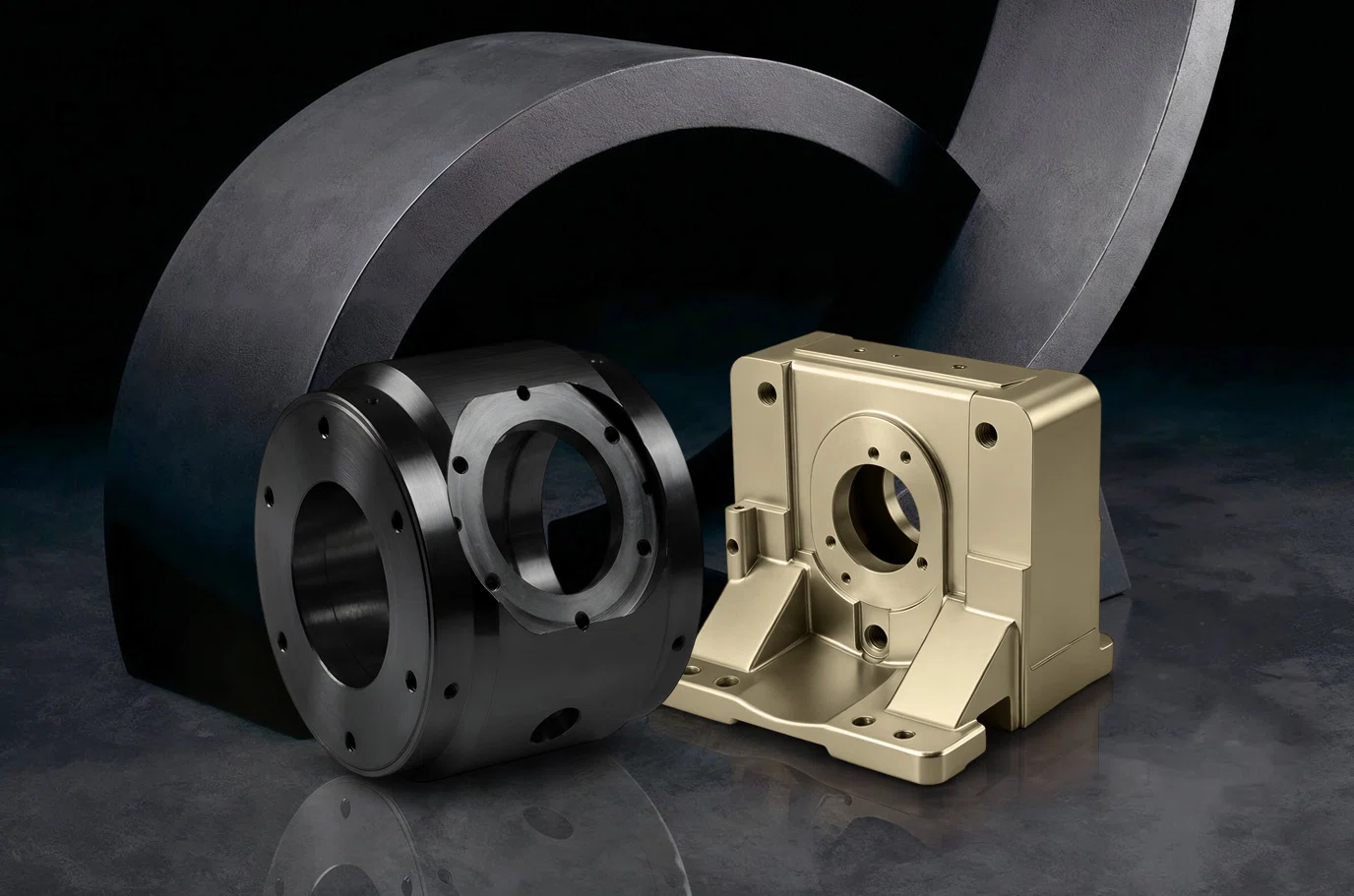
Hard anodizing
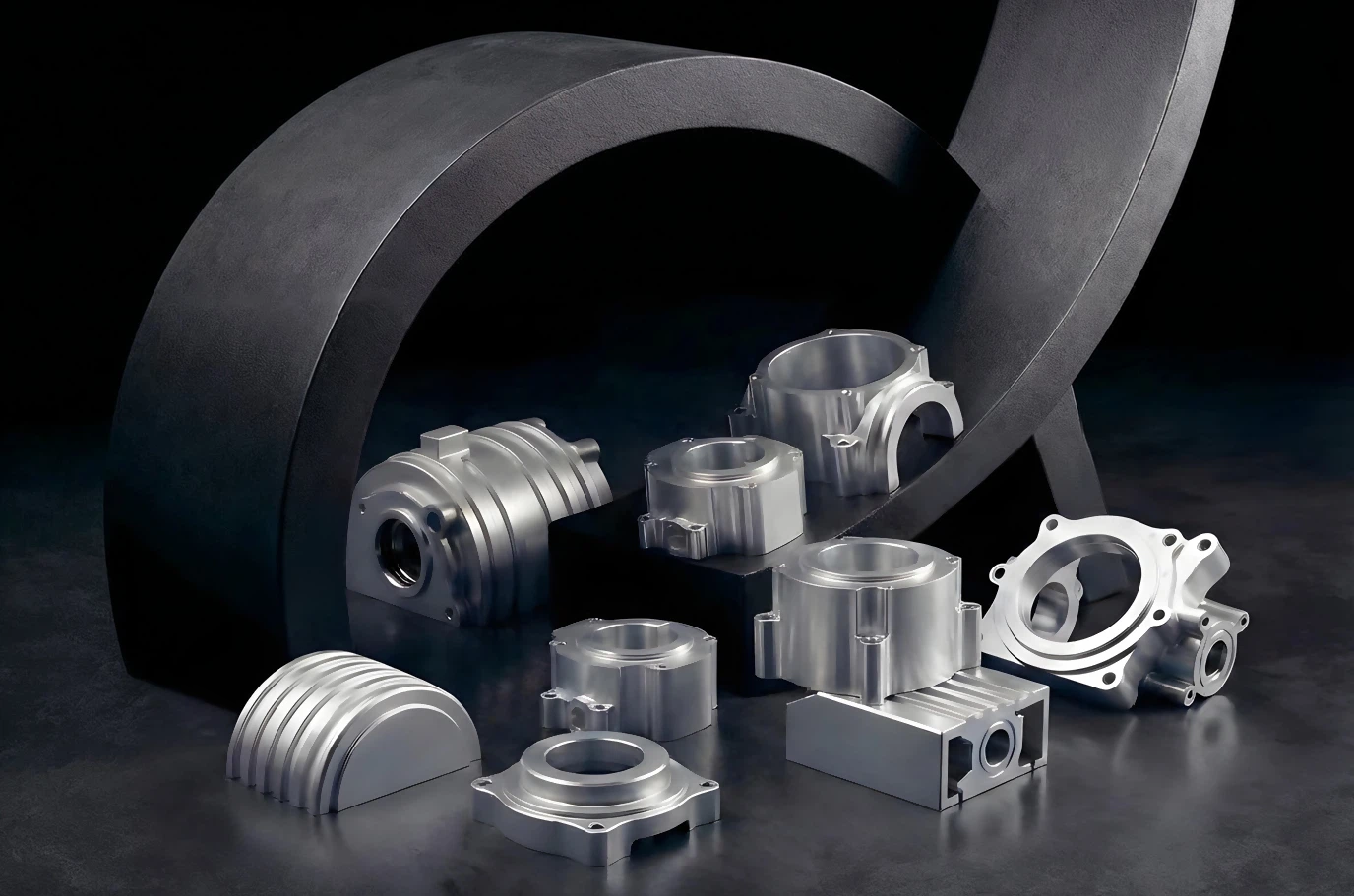
Aluminum Anodizing
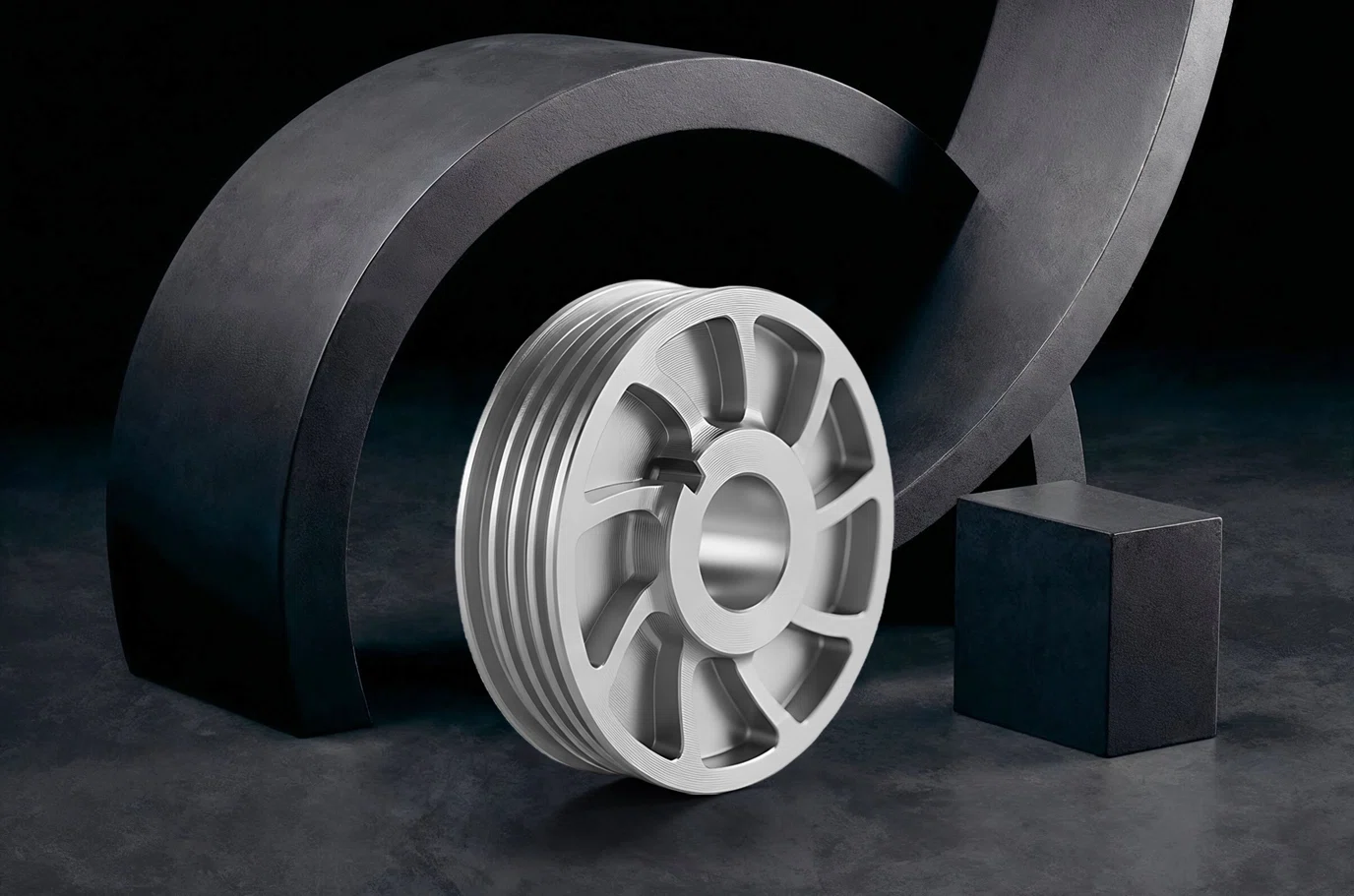
Colorless anodizing
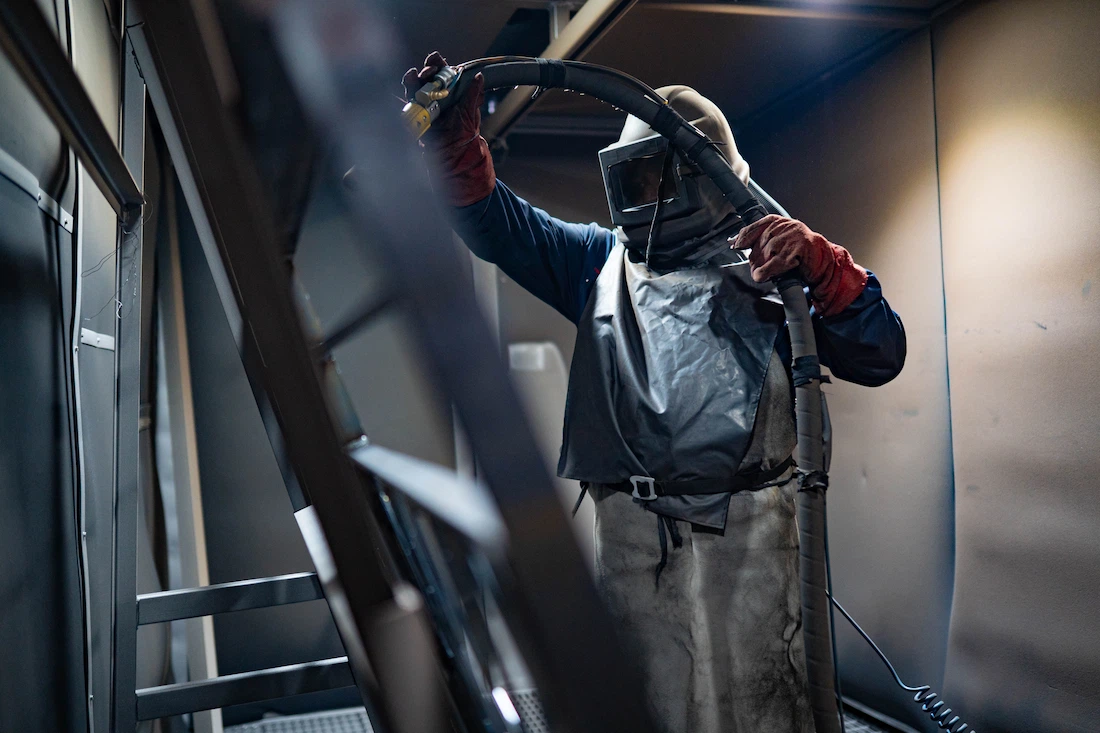
Sandblasting of metal
Vibrating shaker
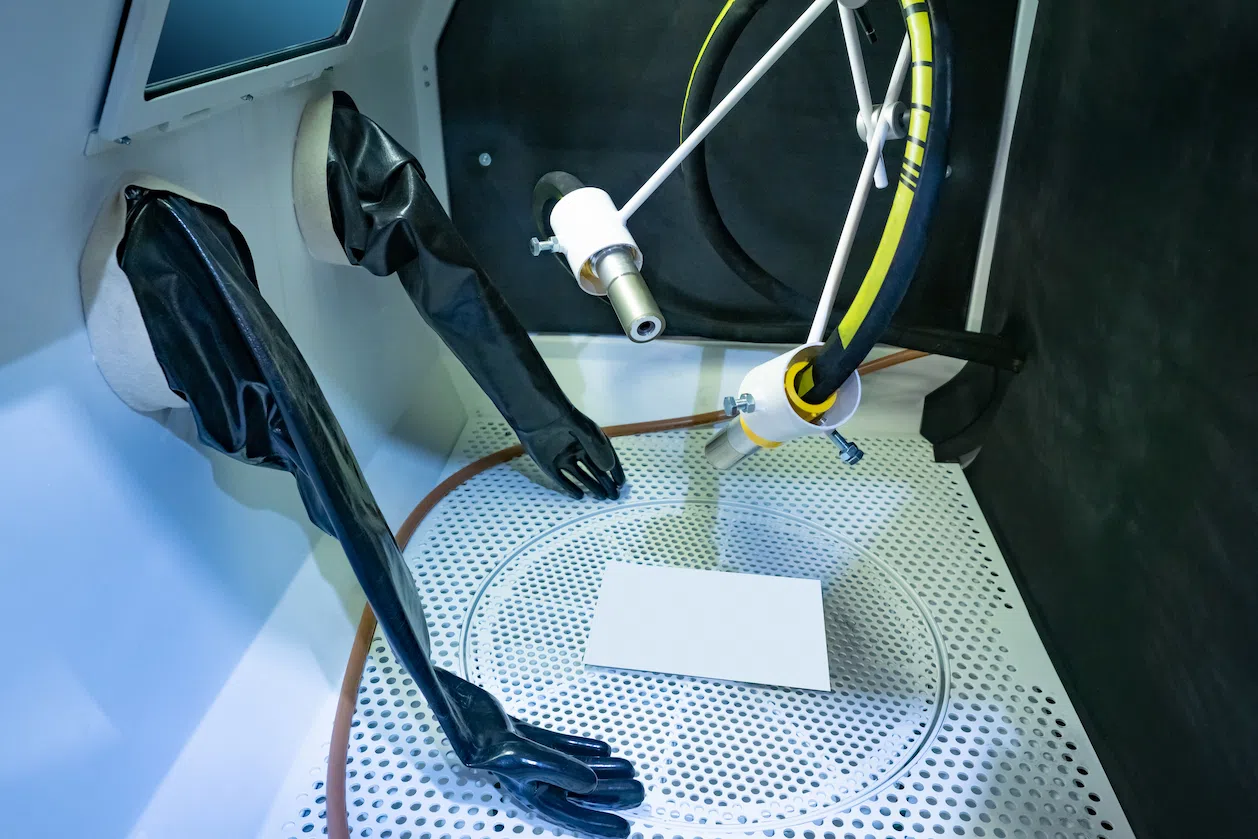
Glass blasting of metal
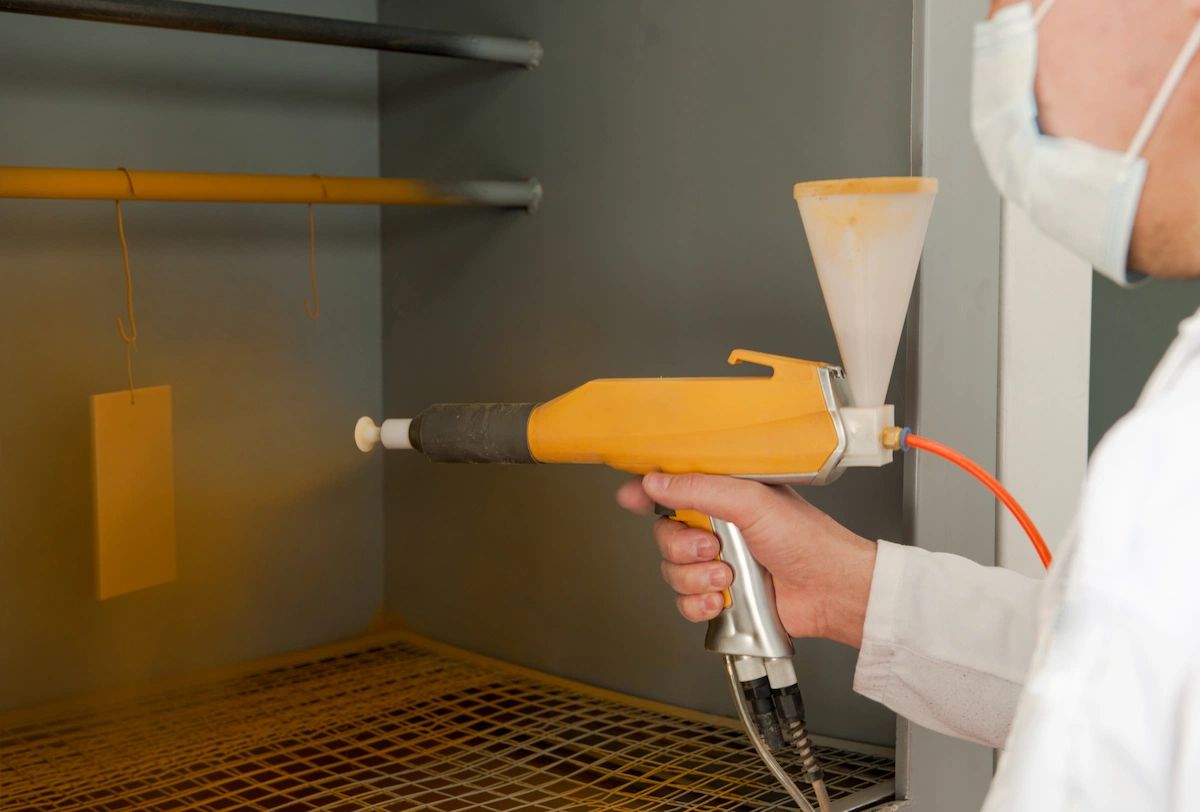
Cerakote (ceramic coloring)
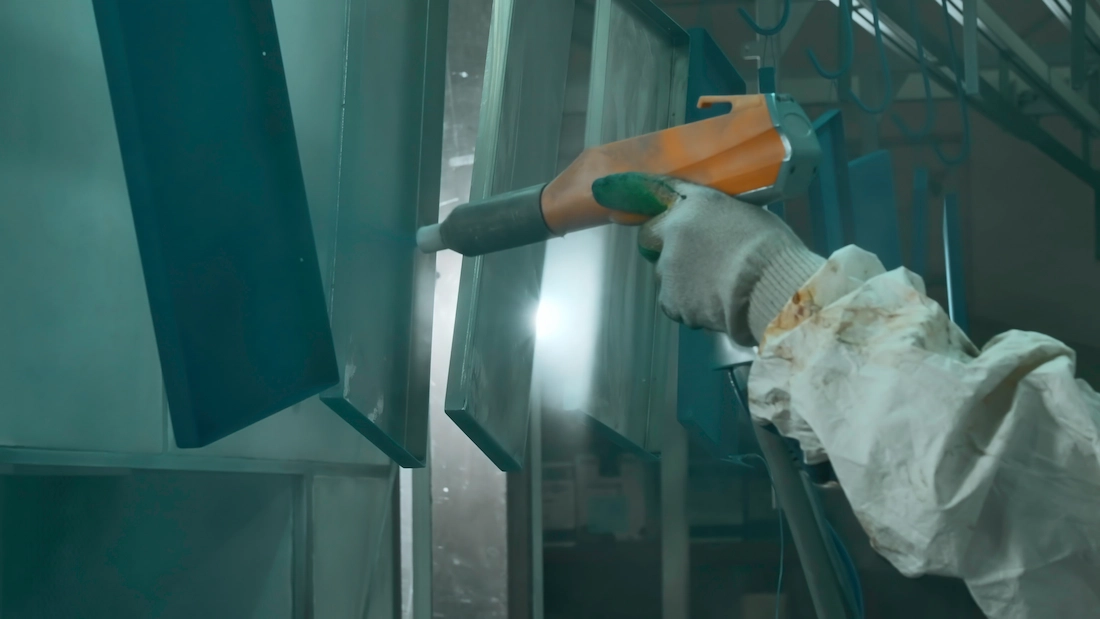
Powder coating
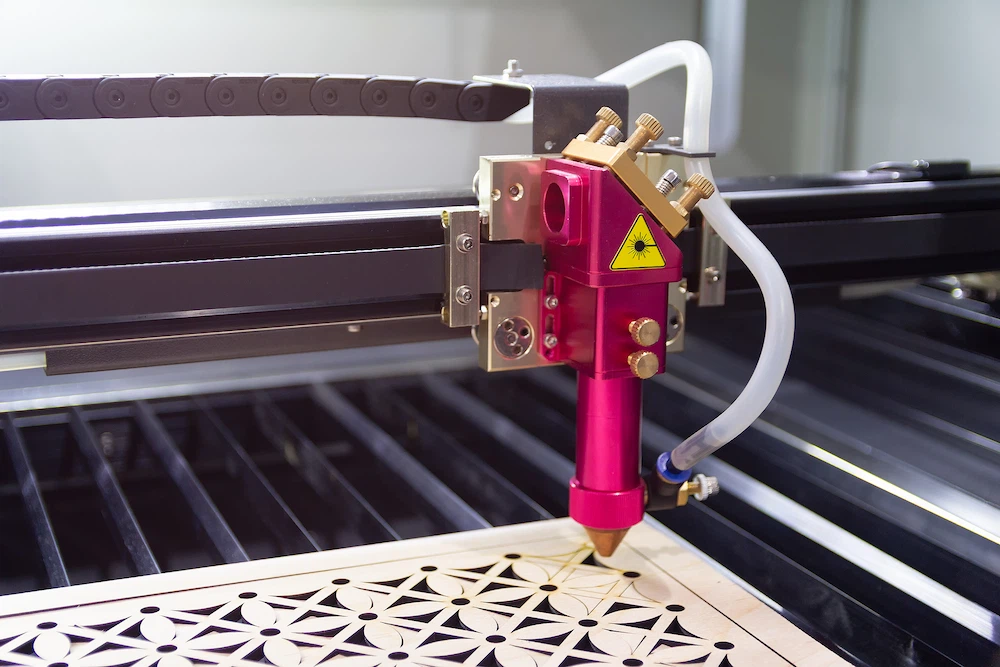
Laser cutting of non-metals
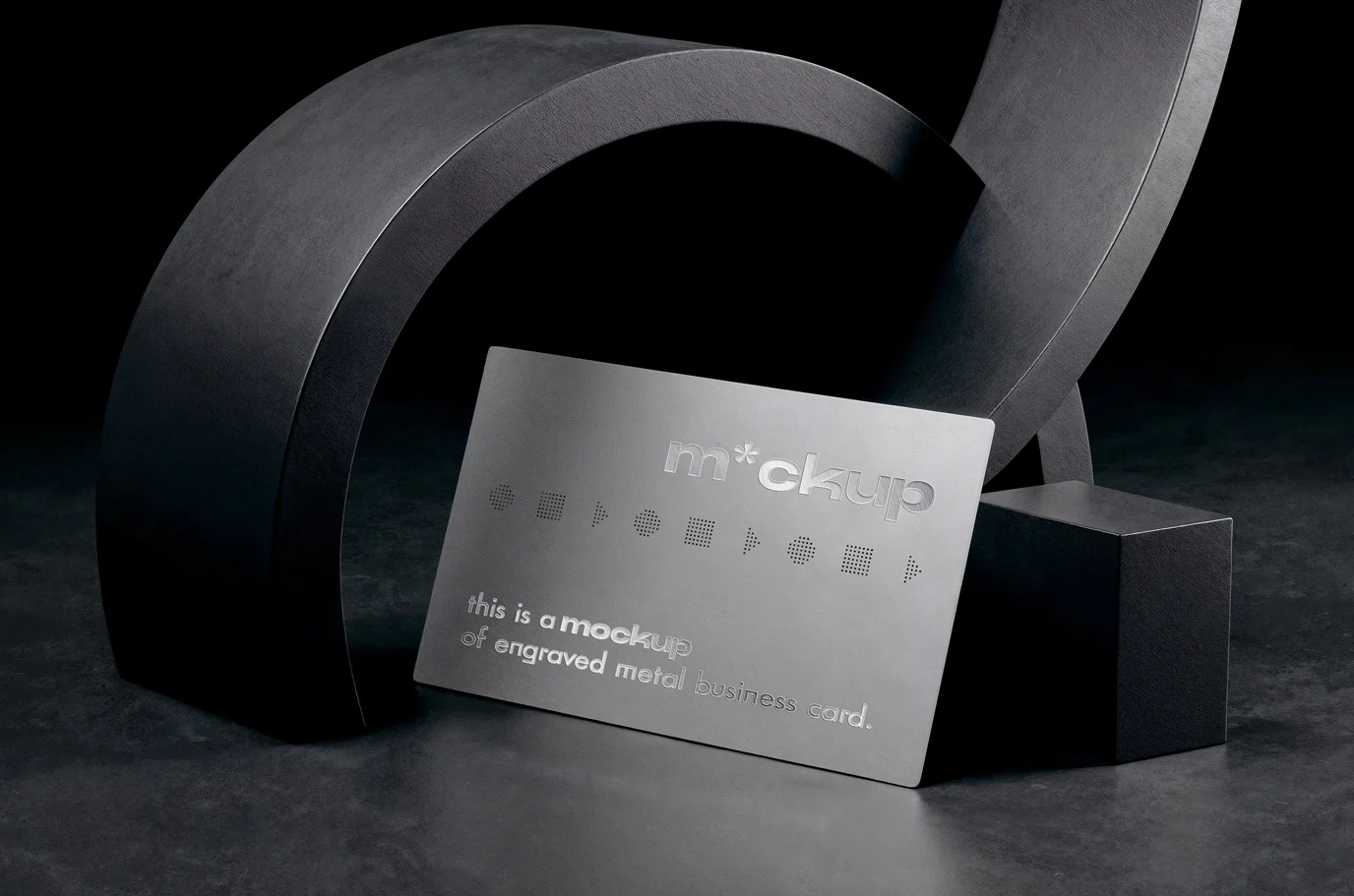
Laser marking of metals
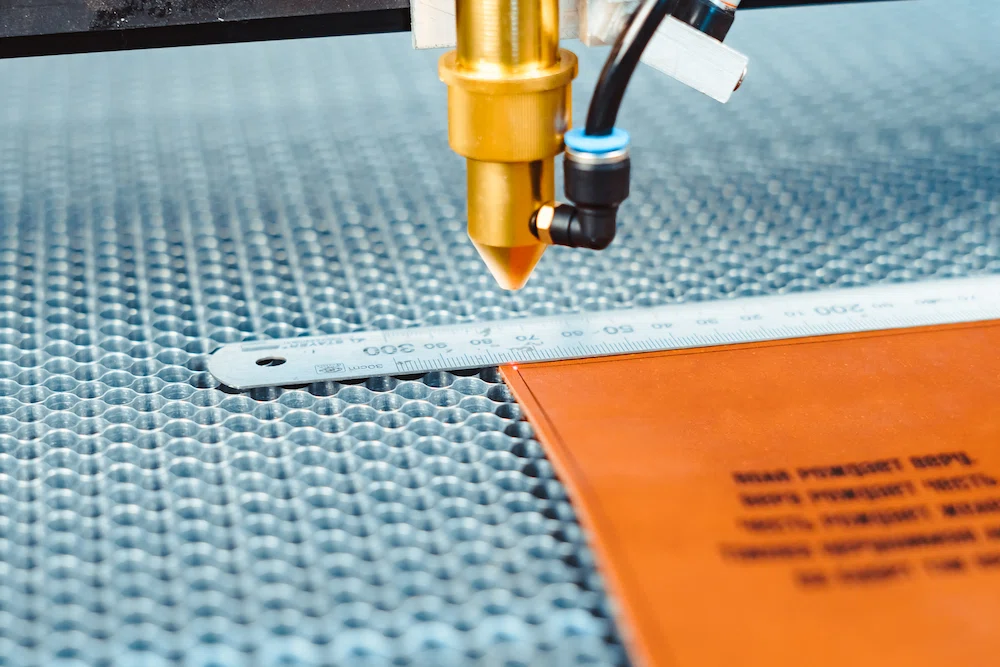
Laser engraving of non-metals
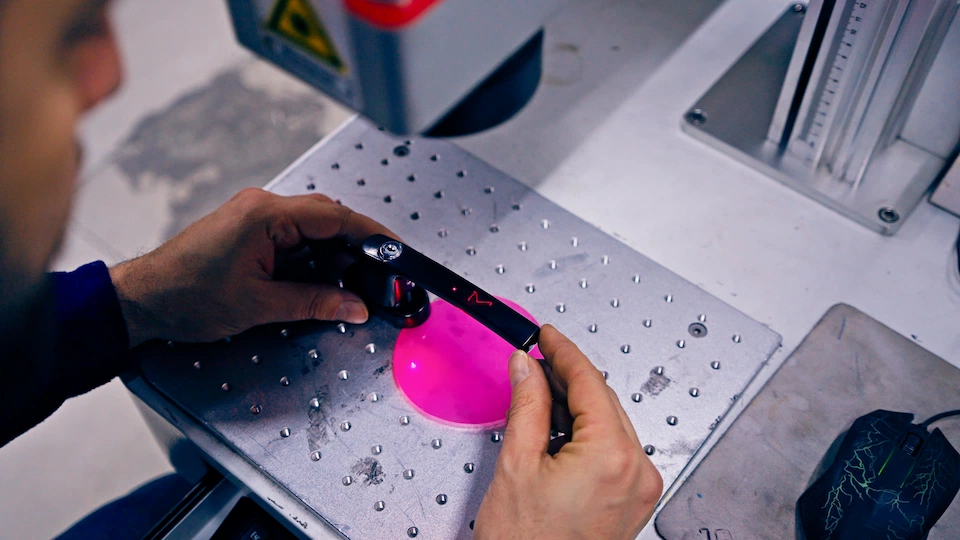
Laser engraving of metal